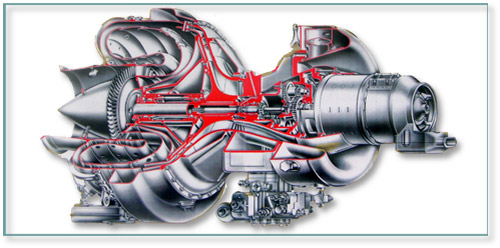
The АИ-9В (AI-9V) auxiliary power unit (APU) is used as the source of compressed air to crank the main engine compressor rotors during engine start. It can also be used to supply 27 VDC power to the onboard electrical systems on the ground and in flight if the generators fail. The APU has its own fuel control, oil system, regulating system, starter- generator unit, and ignition unit. It consists of a centrifugal-type compressor, single stage axial turbine, ring-shaped combustion chamber, exhaust nozzle, drive housing, and integrated oil tank. The APU is mounted in the aft nacelle compartment. It is separated from the transmission compartment by a lateral firewall. The APU starting circuits are powered by 27 VDC from the Battery Bus. The APU is designed for up to 30 minutes of continuous operation.
The ВР-14 (VR-14) main transmission is mounted on top of the center fuselage deck. The mounting struts attach at four points to the fuselage. The transmission is basically a reduction gearbox used to transmit power to main rotor, tail rotor and accessories at a reduced RPM. There are freewheeling clutches in the input quills to provide a quick-disconnect of one or both engine in case of a power failure. This allows for safe flight with one engine inoperative and allows the main and tail rotors to rotate in order to accomplish a safe autorotational landing.

The intermediate gearbox is designed to change the angle of the tail rotor driveshaft axis by 45° to conform with the angle between the tail boom and vertical stabilizer.
The tail rotor gearbox is designed to rotate the tail rotor at the required RPM. The tail rotor gearbox mounts at the top of the vertical stabilizer. The gearbox changes the direction of rotation by 90° and reduces the RPM to a nominal speed of 1120 revolutions per minute. The tail rotor gearbox also incorporates a mechanism for changing the tail rotor pitch.
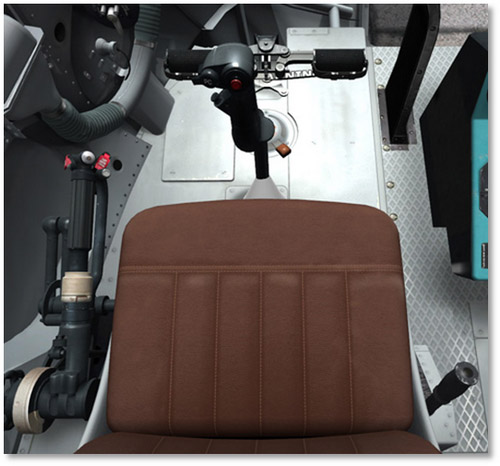
The rotor brake reduces the time required to stop the main rotor. It is also used to block the transmission while the helicopter is parked and during maintenance operations. The brake is operated by a cable linkage from the rotor brake control lever, located to the right of the pilot's seat. The brake control lever assembly contains a microswitch that blocks the engine starting circuits if the brake is engaged. The engines can only be started if the brake is fully released, i.e., the brake lever is in the full down position. The rotor brake control lever has a rachet mechanism to secure the lever in the desired position. A button at the top of the brake lever grip is used to unlock the rachet
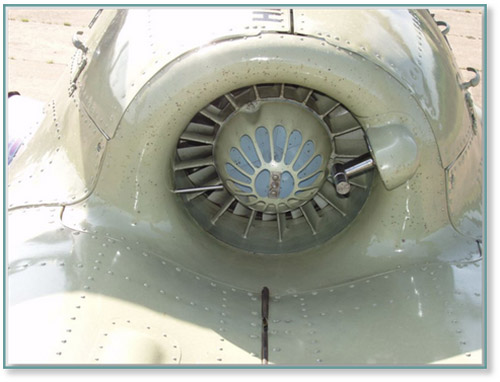
The air cooling system includes the oil cooler fan assembly, distribution lines, and cooling shrouds. The oil cooler fan cools the oil in the engine and transmission oil coolers, the AC generators, the hydraulic pumps, and the air compressor. The oil cooler fan assembly mounts over the rear section of the engine compartment. The main transmission drives the fan.
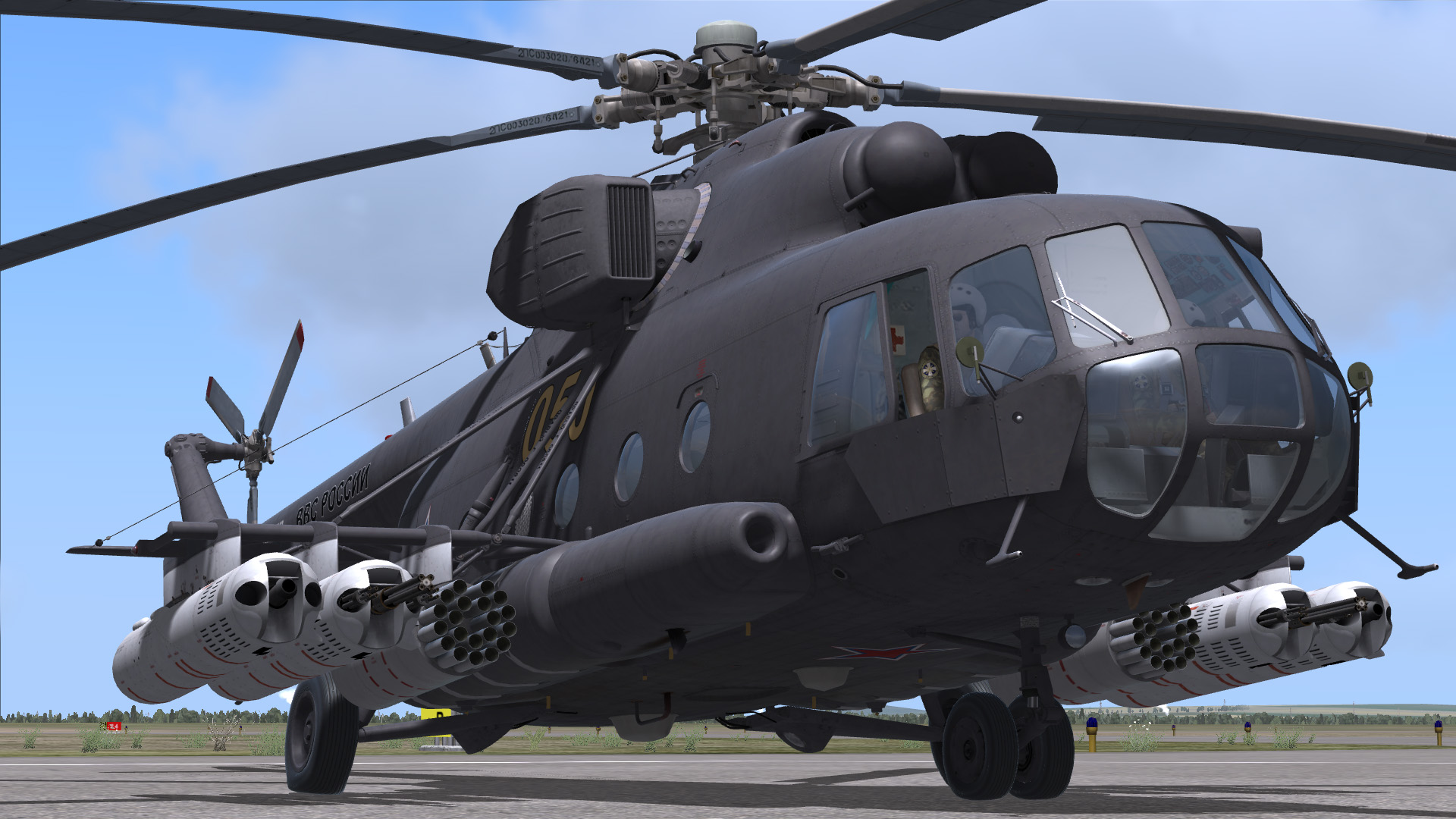
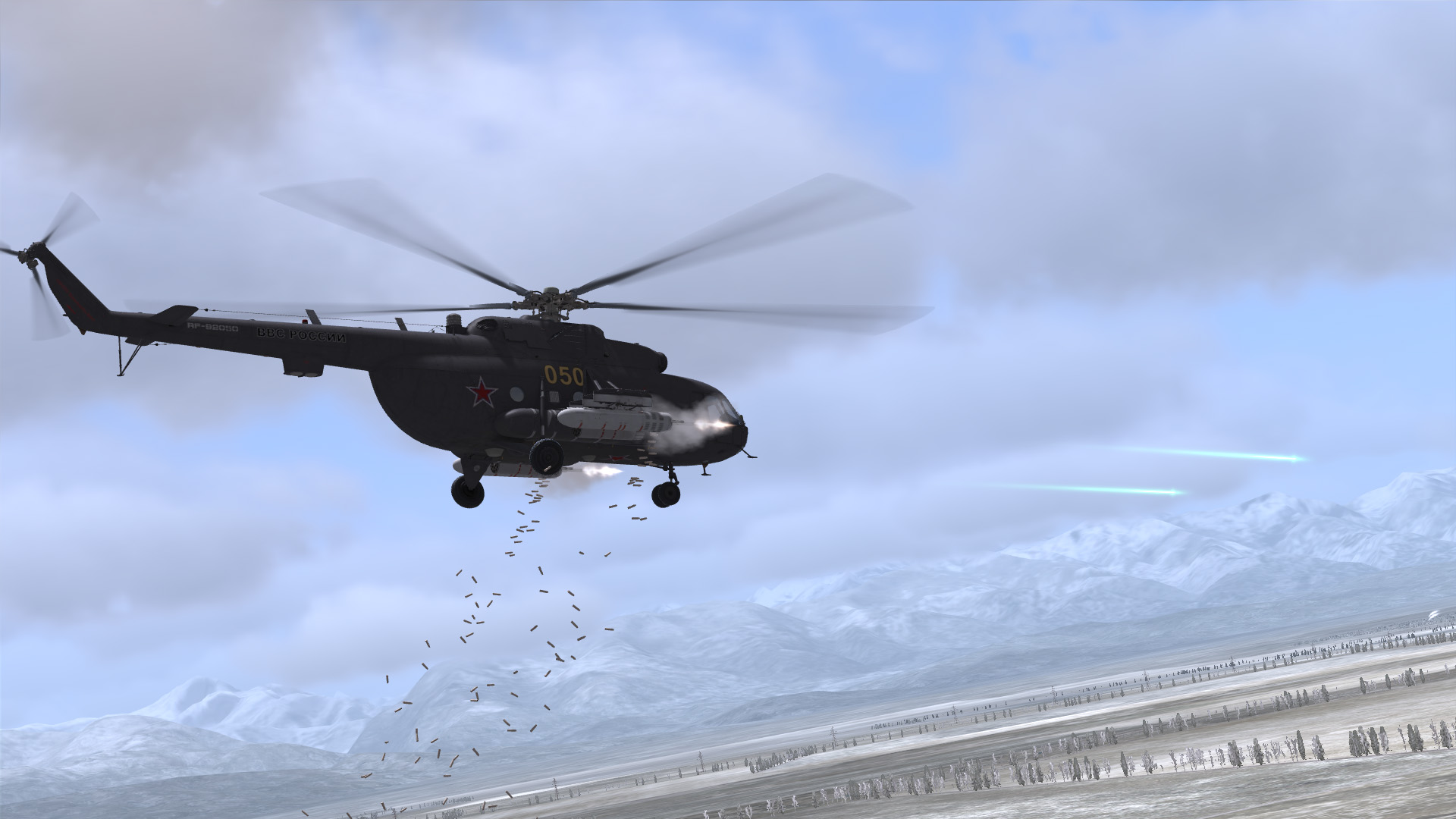
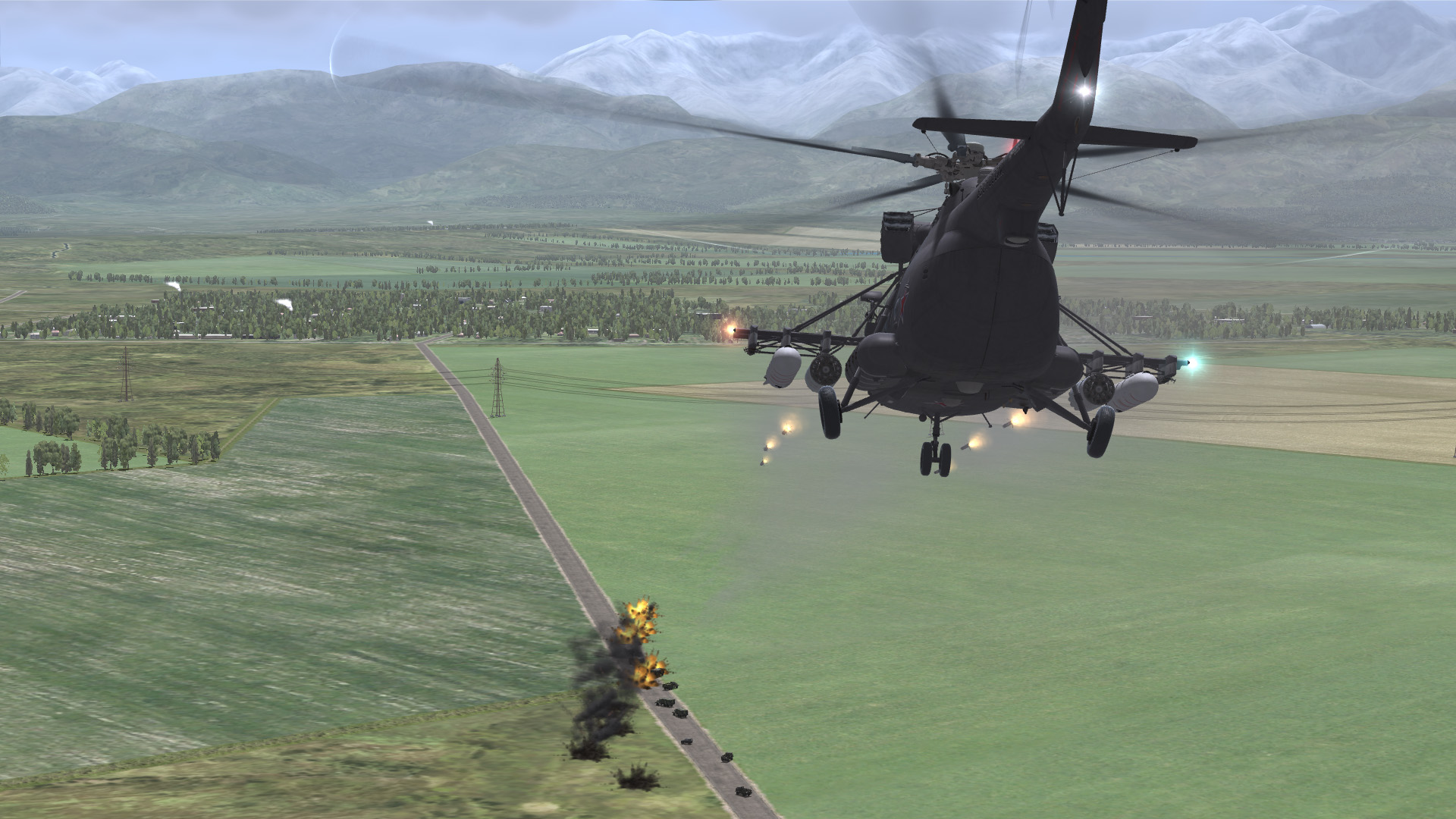
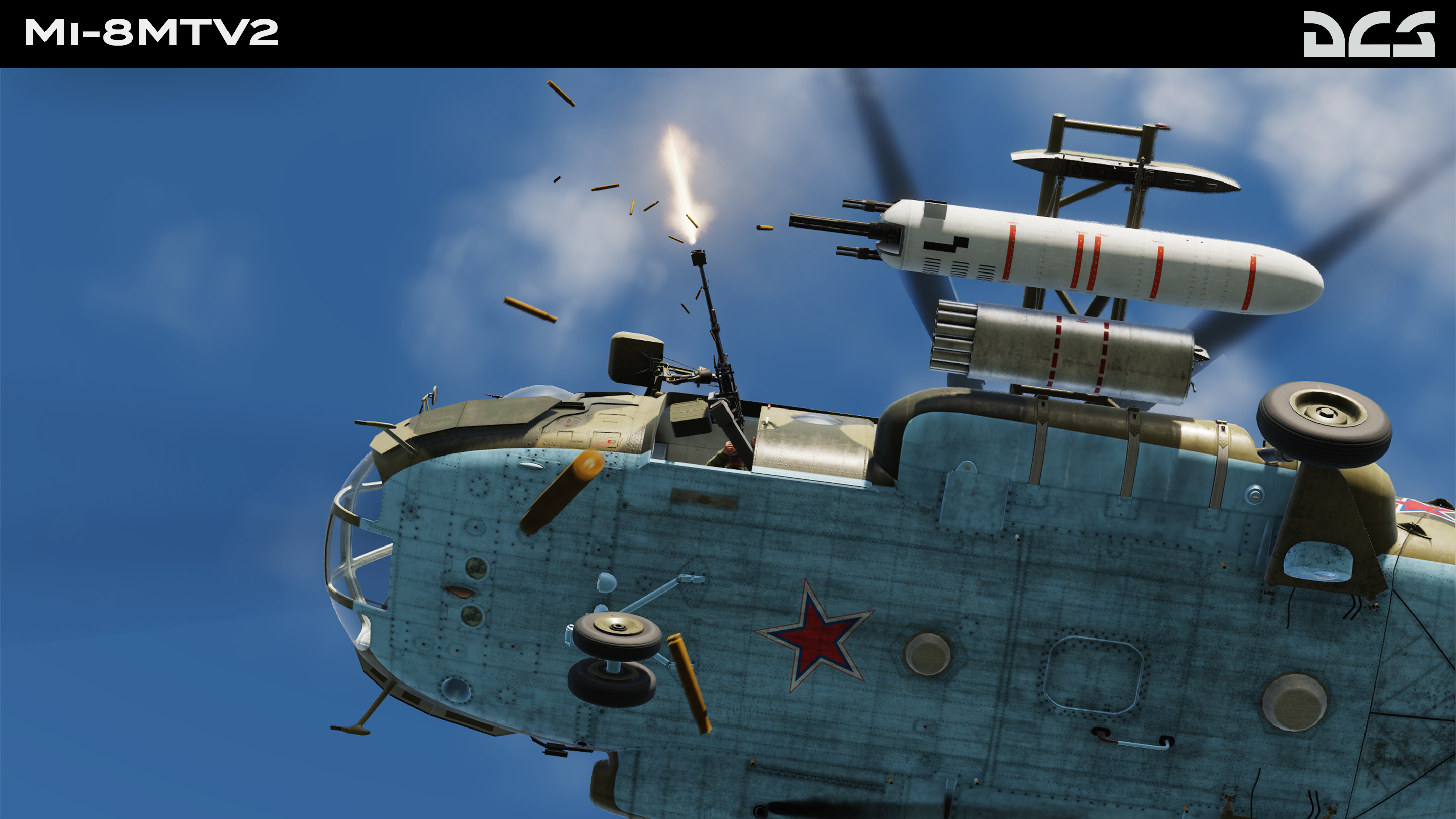
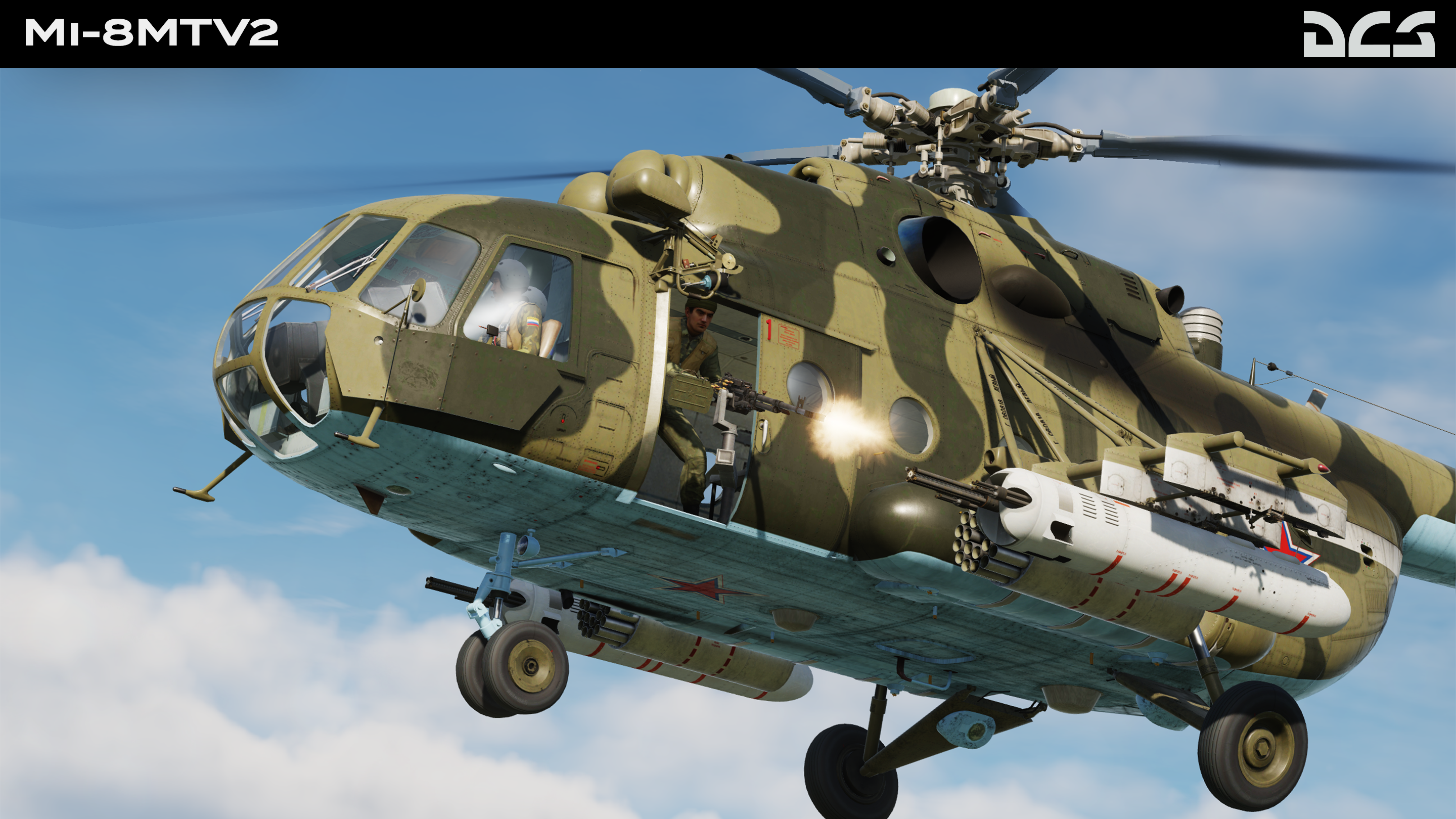
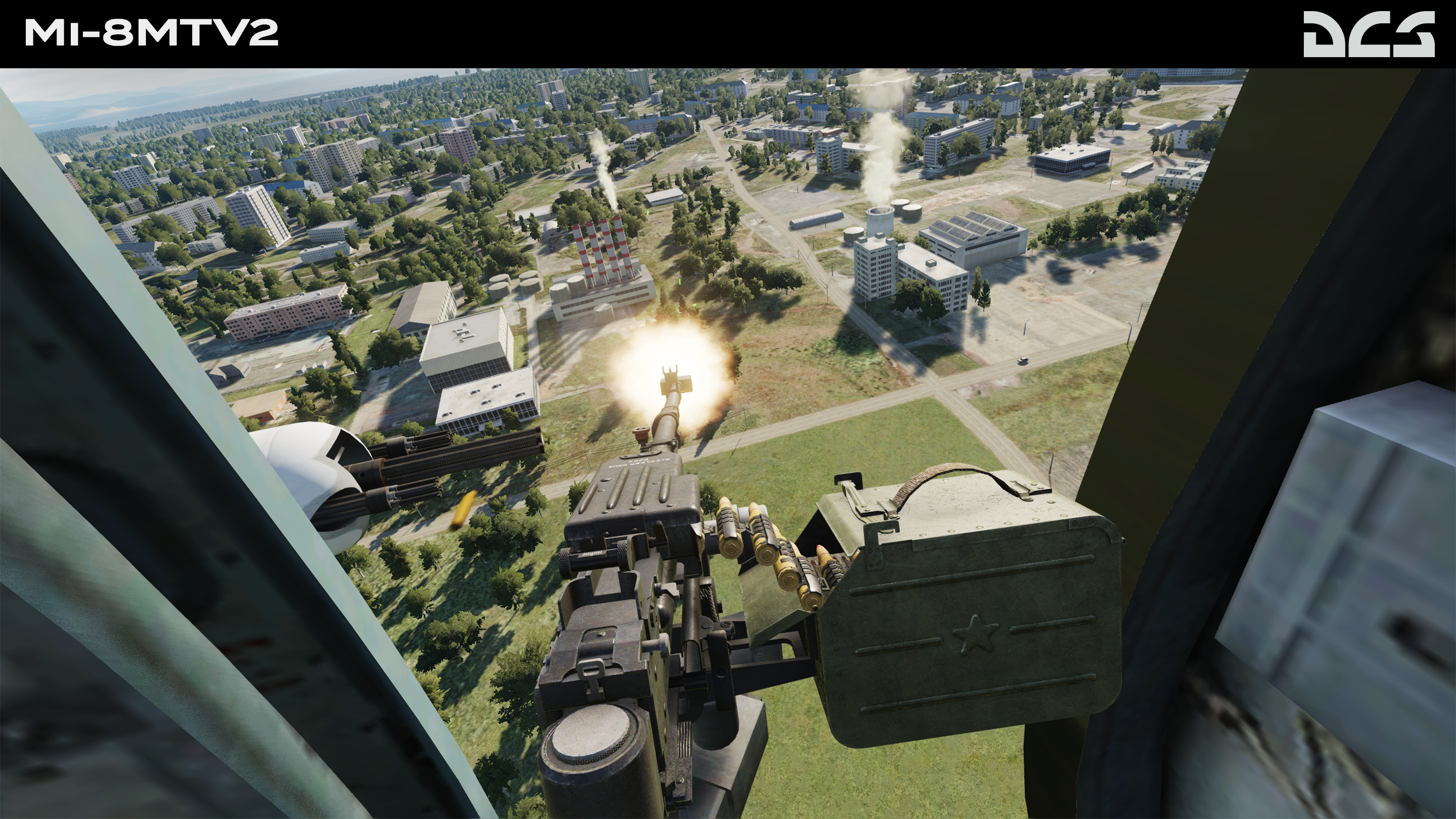
The Mi-8MTV2 armament includes unguided rockets, cannon and machine guns, and free-fall bombs in various payload configurations. The helicopter is equipped with 6 external weapon stations, numbered 1 through 6 if facing forward from the cockpit.
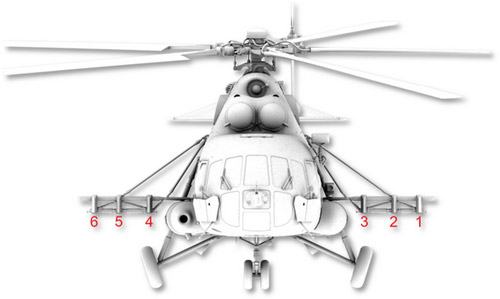
The Mi-8MTV2 can be armed with the following weapon systems: