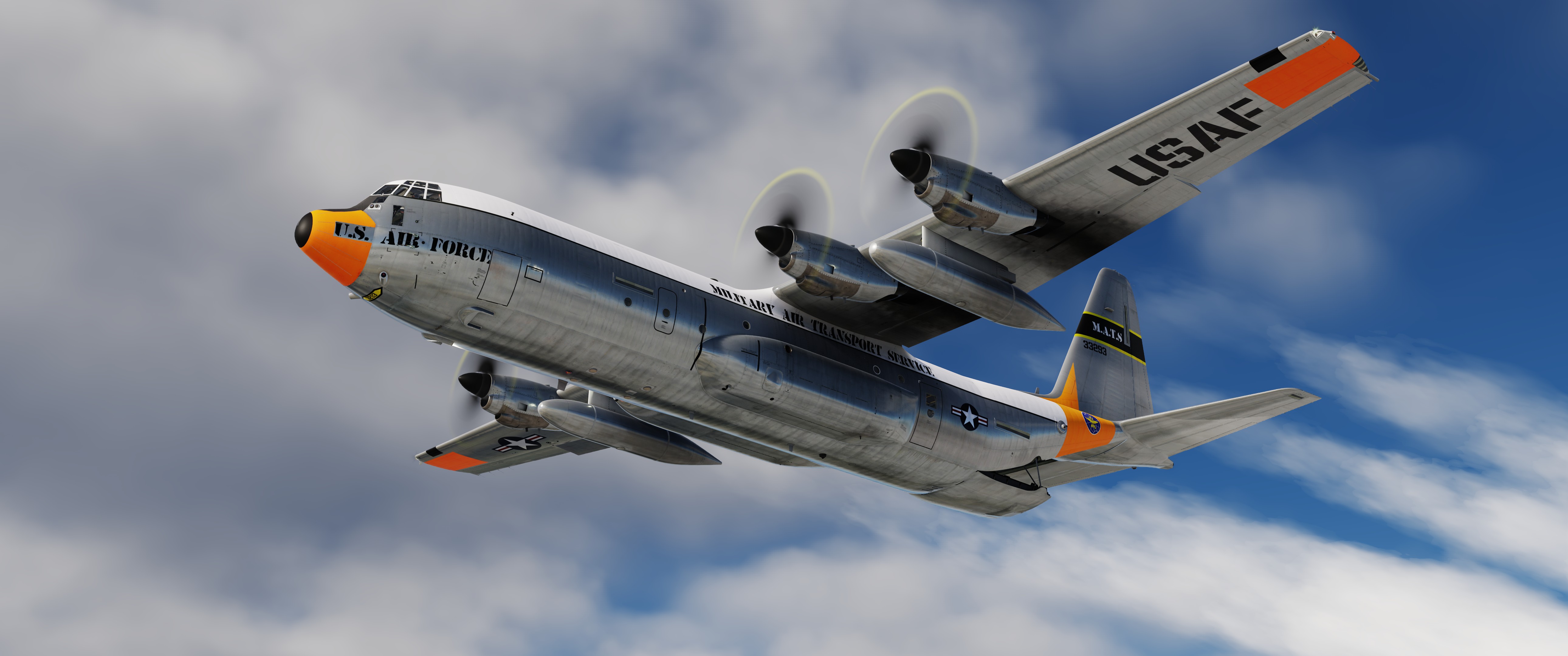
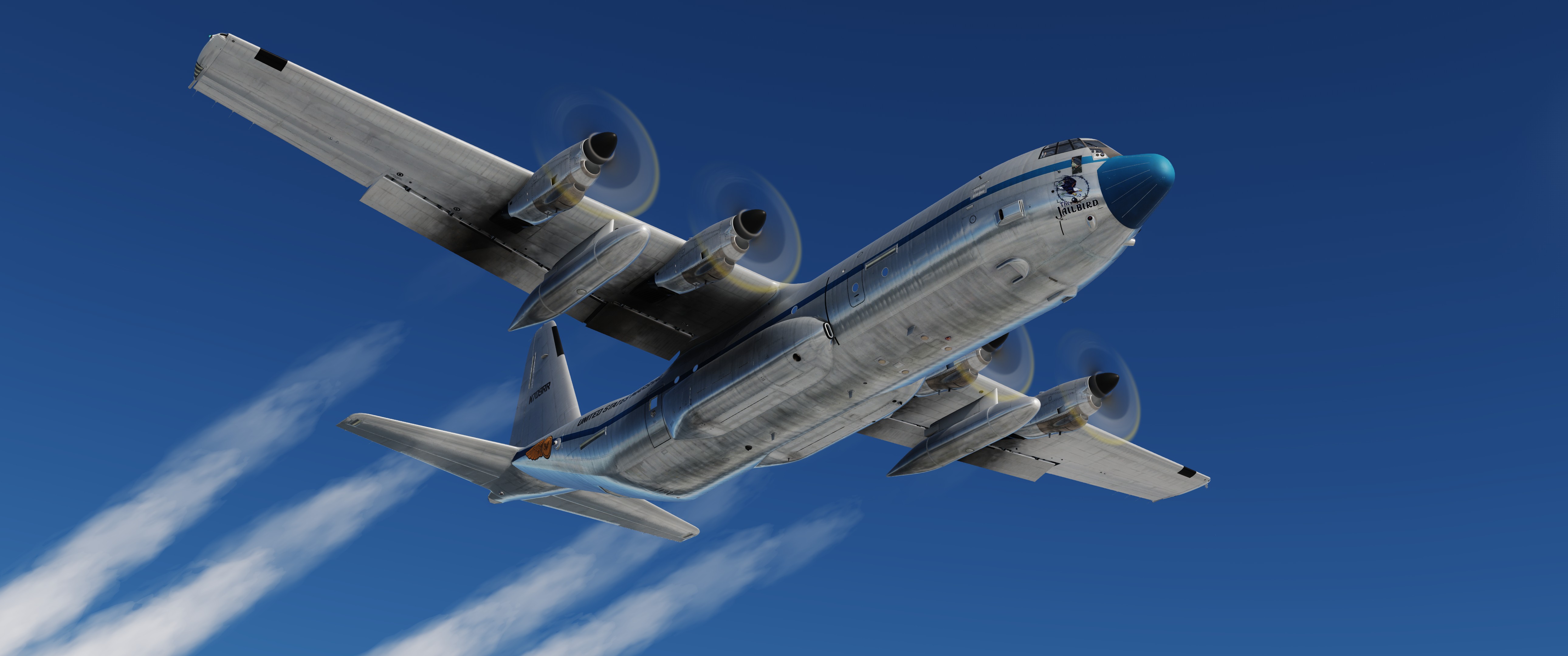
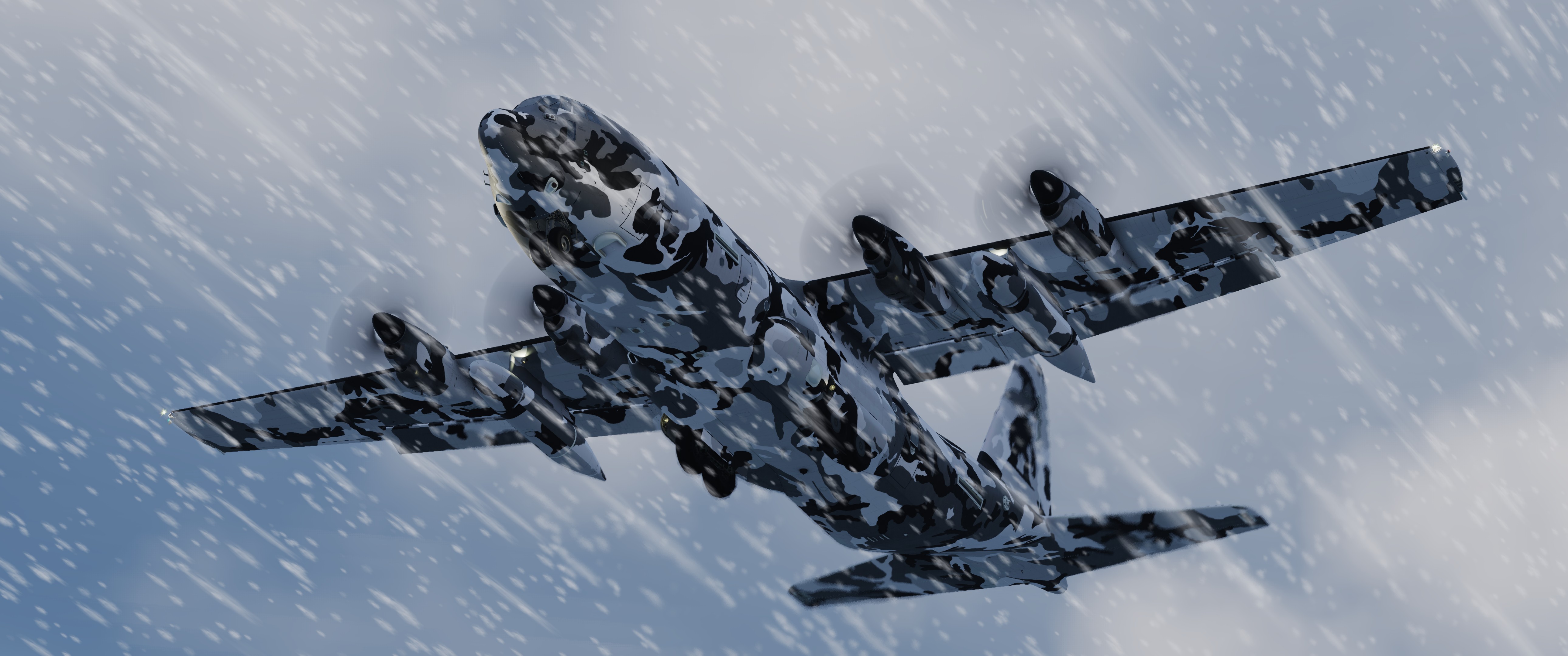
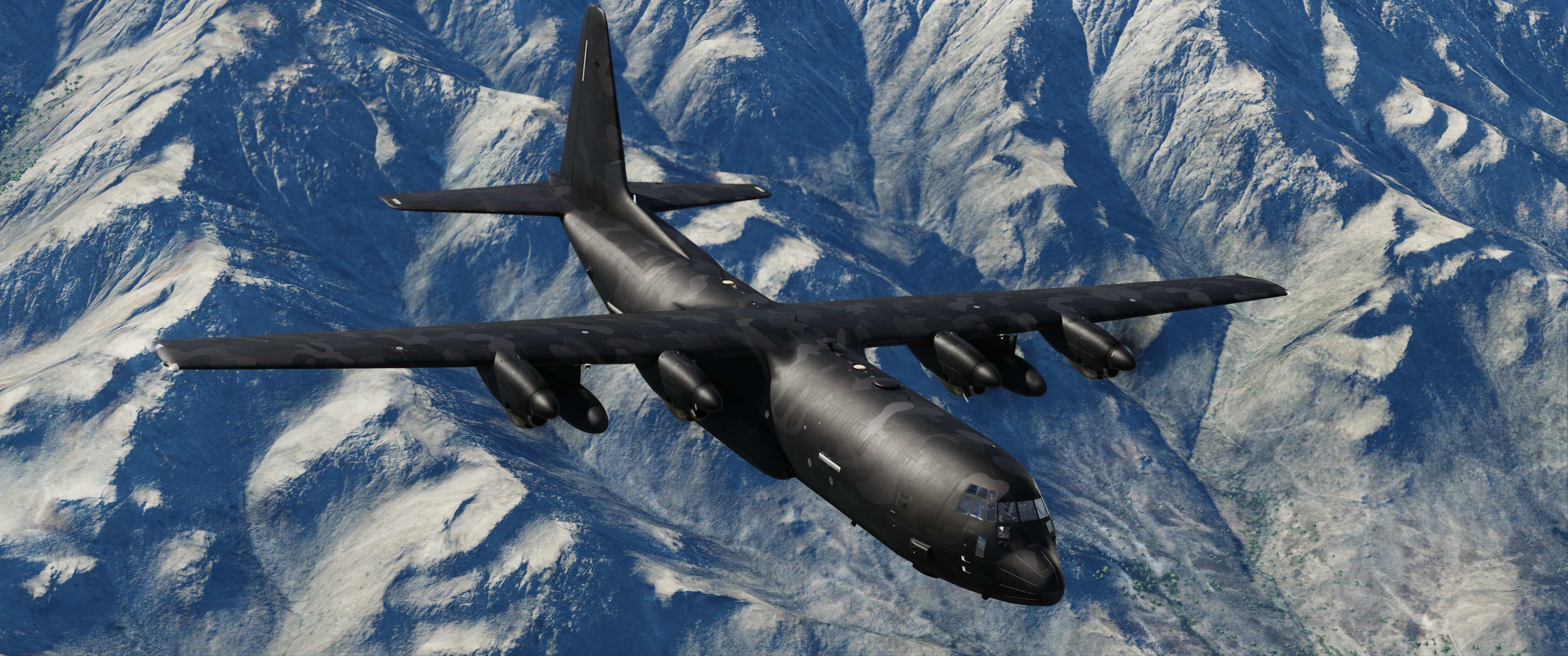
The Military Air Transport Service (MATS) was established in 1948 to provide the United States Air Force with a global airlift capability during the early Cold War. Operating worldwide in all weather and over vast distances, MATS aircraft became the backbone of strategic and humanitarian air transport throughout the 1950s and early 1960s.
During this period, USAF transports were commonly finished in natural metal with fluorescent “Day-Glo” orange panels applied to noses, wingtips, and tail sections. These high-visibility markings were intended to improve mid-air recognition, ground safety, and search-and-rescue visibility, particularly during training, overwater operations, and in poor weather conditions. While striking in appearance, Day-Glo paints were also notoriously difficult to maintain, leading to their gradual phase-out later in the decade as camouflage and low-visibility schemes became the norm.