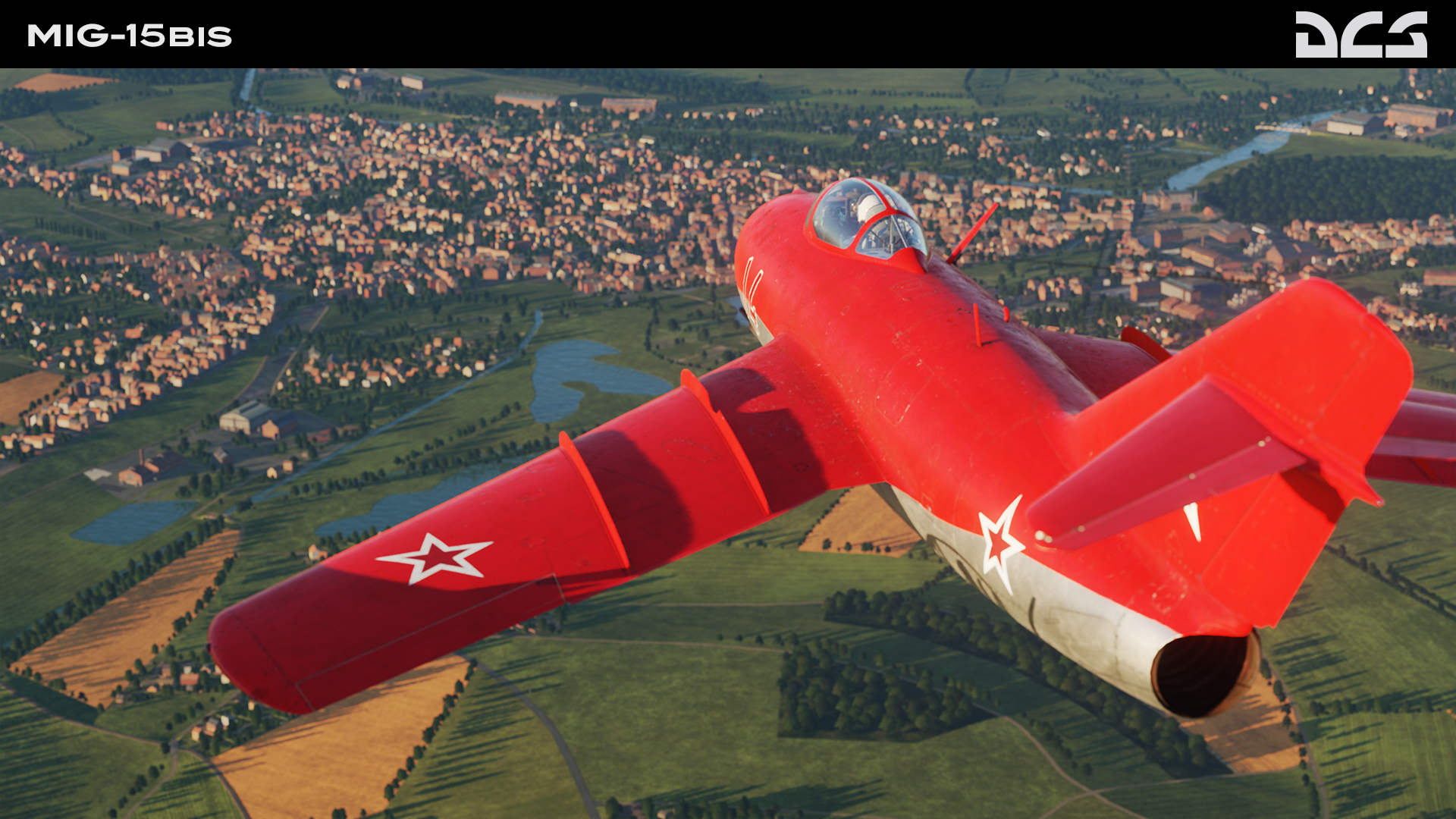
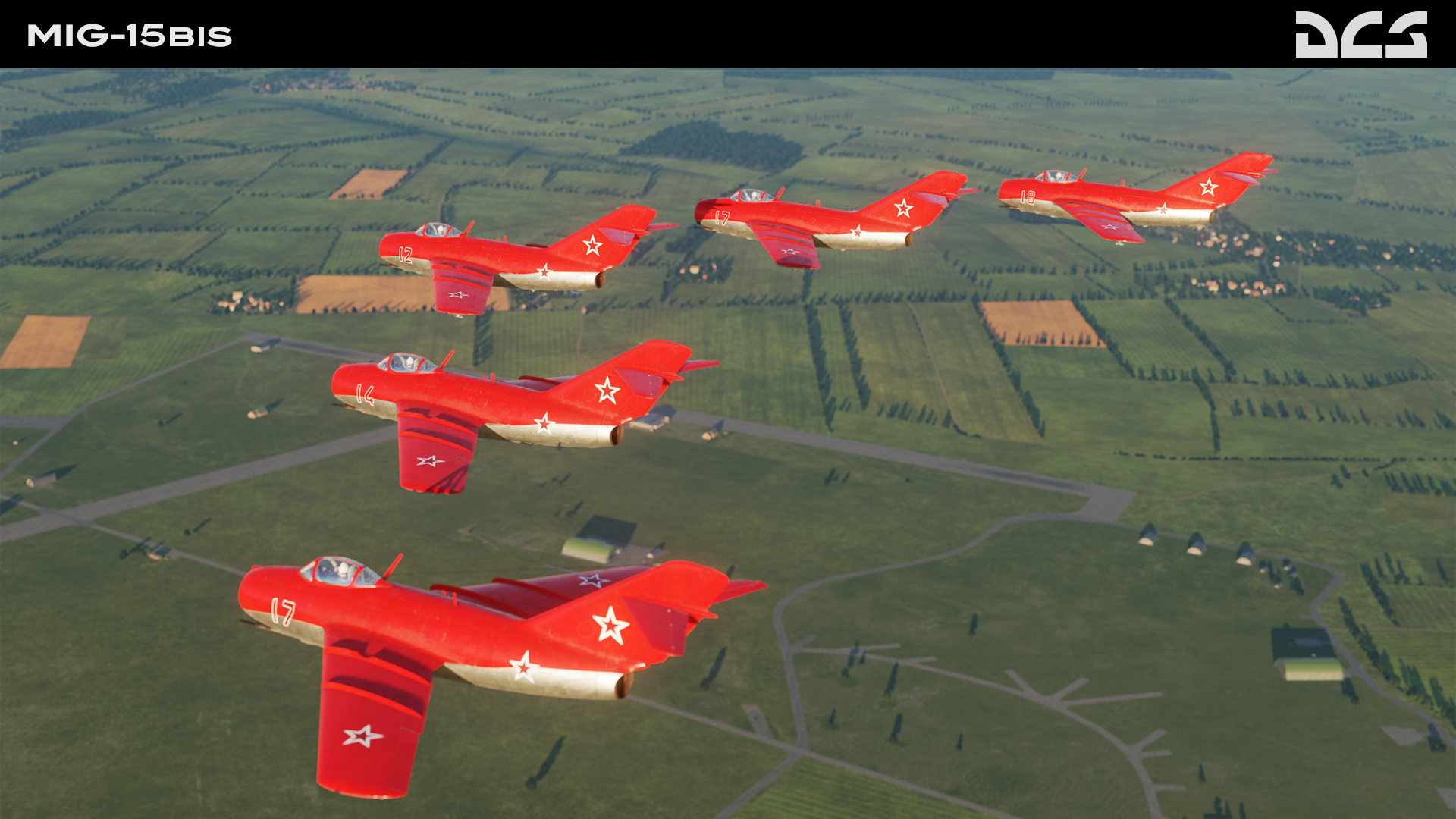
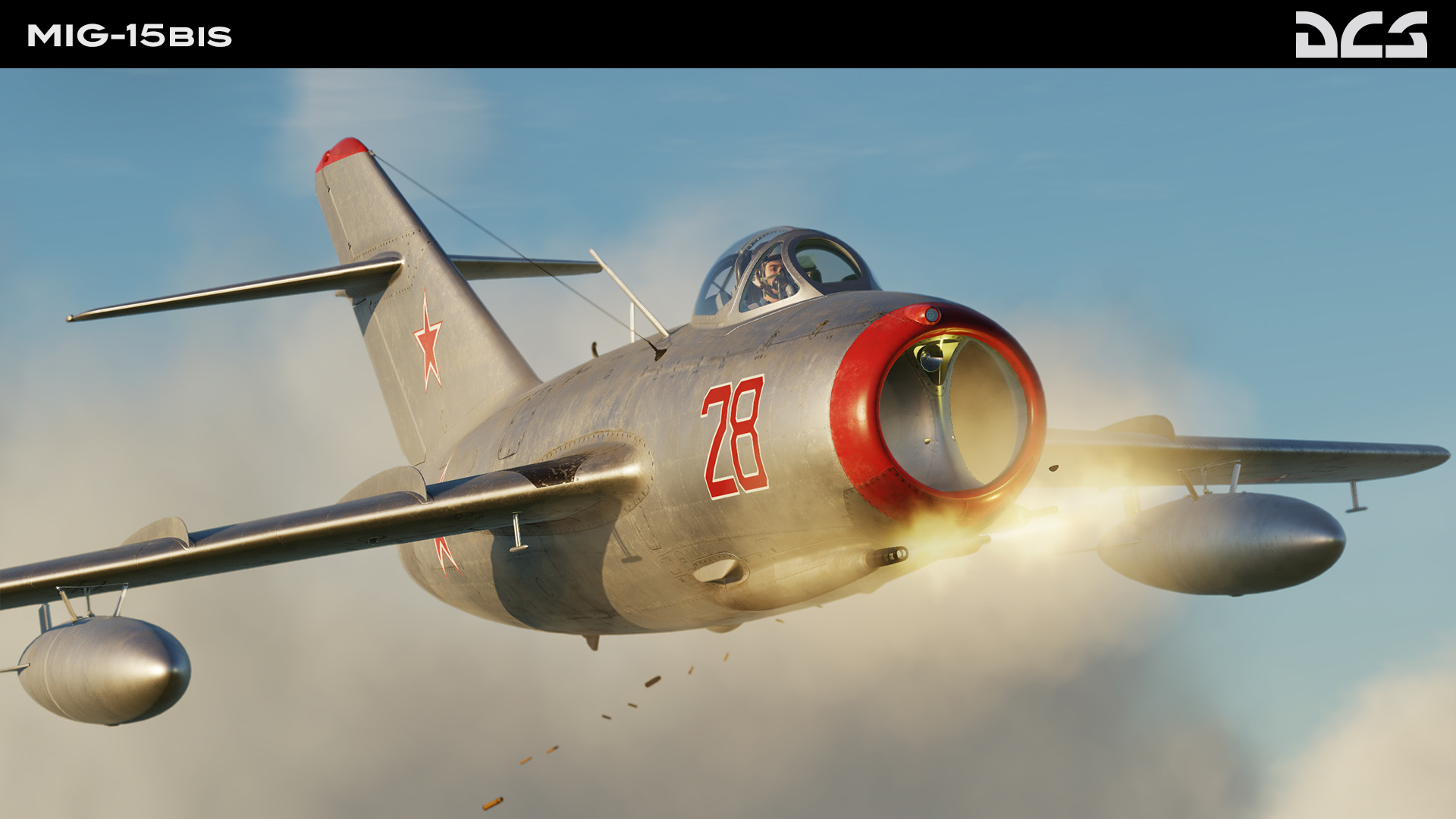
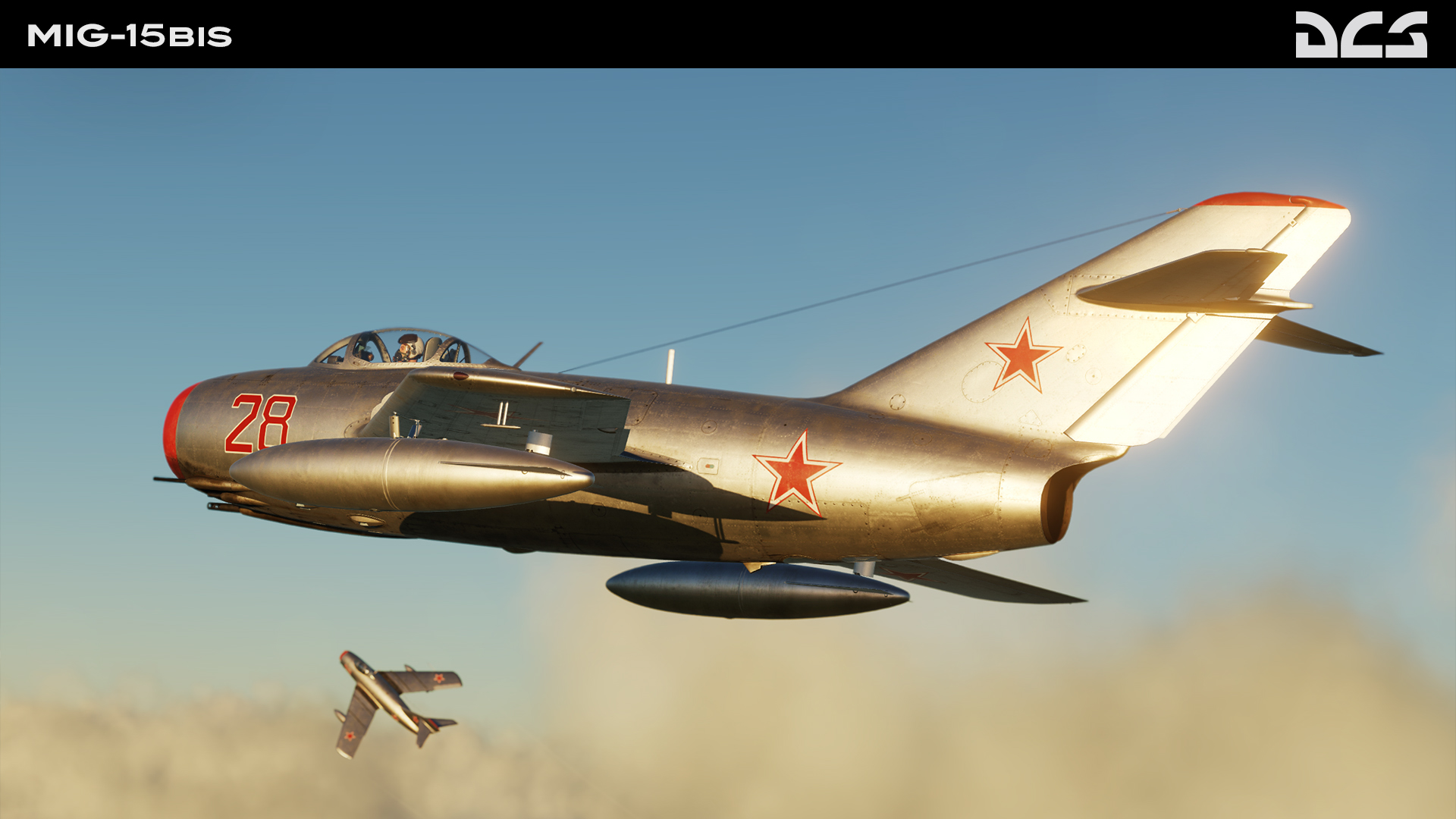
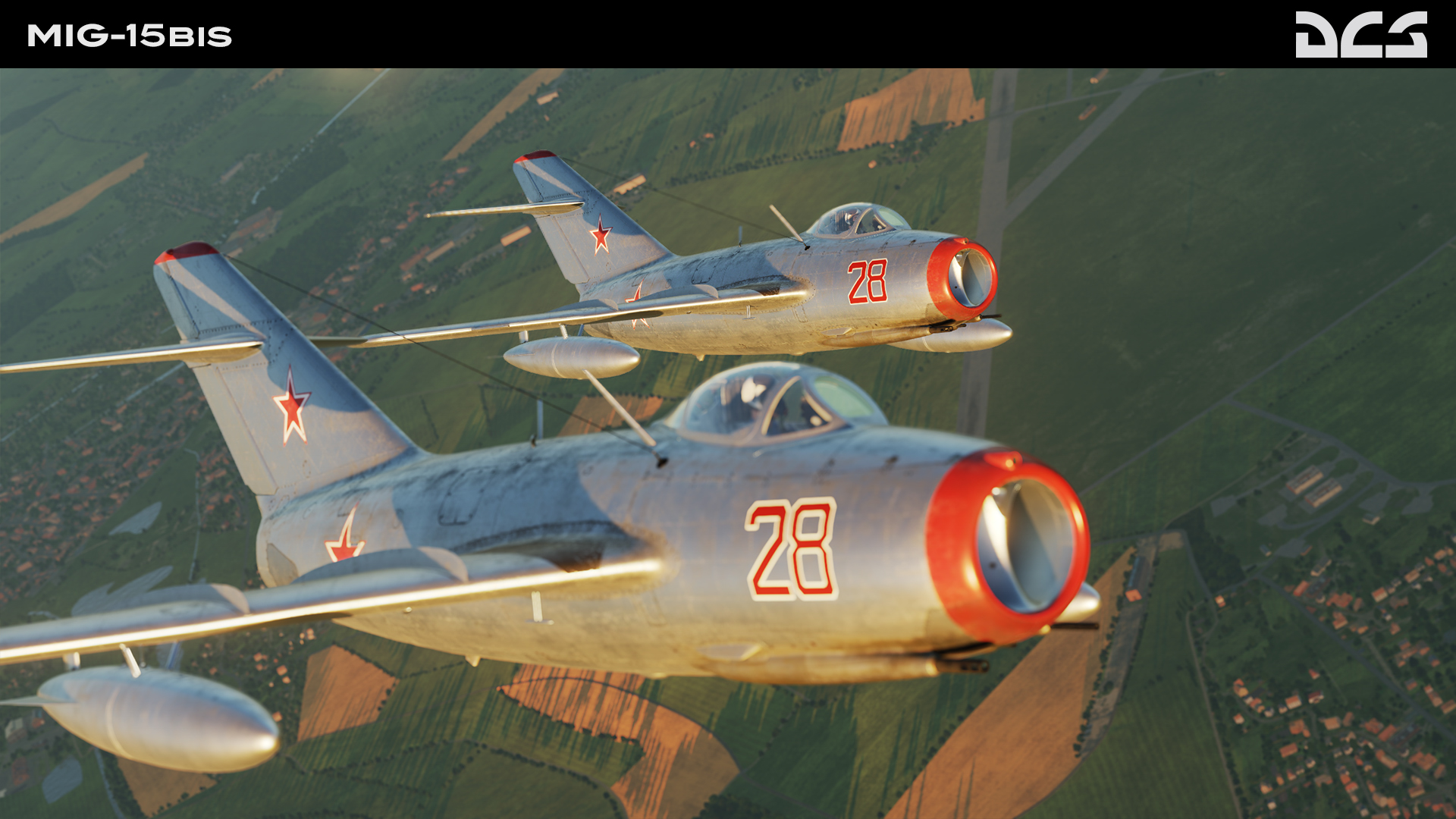
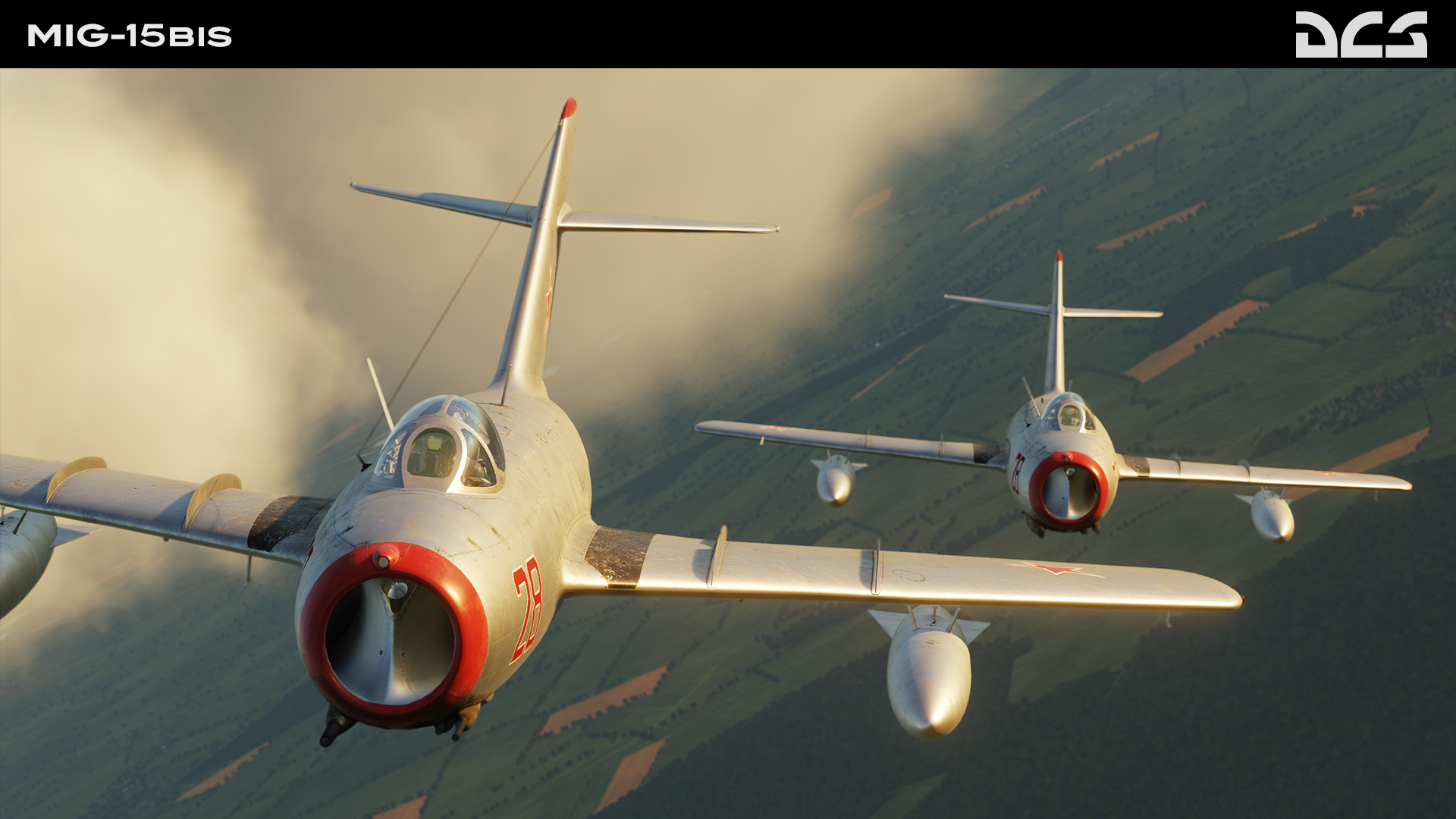
Desarrollado en los años inmediatamente posteriores a la Segunda Guerra Mundial, el MiG-15bis fue un caza de reacción de primera generación diseñado por la oficina de diseño Mikoyan-Gurevich de la Unión Soviética. El MiG-15bis es un caza monomotor con alas en flecha del que se fabricaron más de 15.000 ejemplares. El MiG-15 se hizo famoso en los cielos de Corea, donde luchó contra el F-86 Sabre y otros aviones aliados. Demostró ser un excelente rival para el Sabre, y a menudo era la habilidad del piloto la que determinaba quién llegaba a casa y quién se quedaba colgando de un paracaídas. Con una excelente relación empuje-peso y buenas características de ascenso, el MiG-15bis también estaba armado con dos cañones NR-23 de 23 mm y un único y potente cañón N-37 de 37 mm. No es de extrañar que muchos lo consideren uno de los cazas más mortíferos de la época.
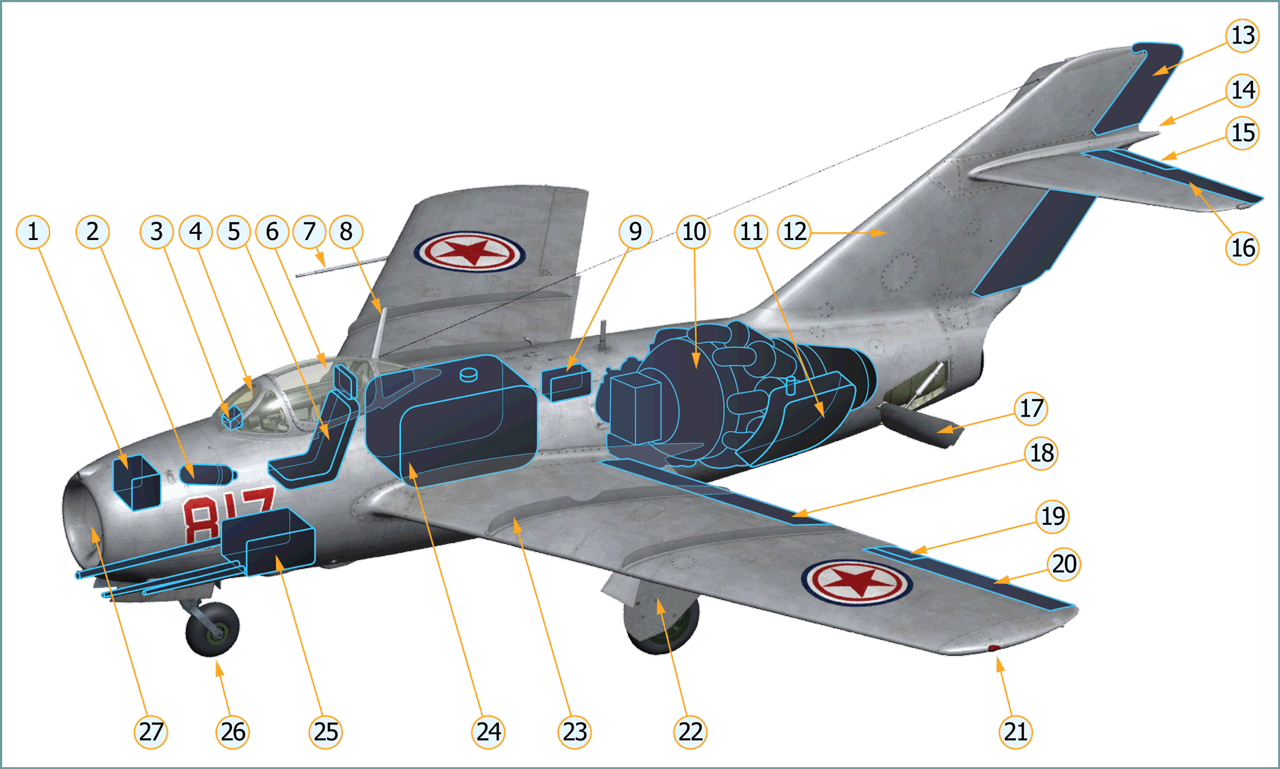
The primary mission of the MiG-15bis is destruction of airborne targets, including hostile fighter aircraft. However it can be used for limited ground attack operations using onboard cannon systems or two 100 kg bombs.
The armament system includes cannon systems, bombing system, ASP-3N automatic gunsight, S-13 gun camera, cockpit armoring, and signal flares.
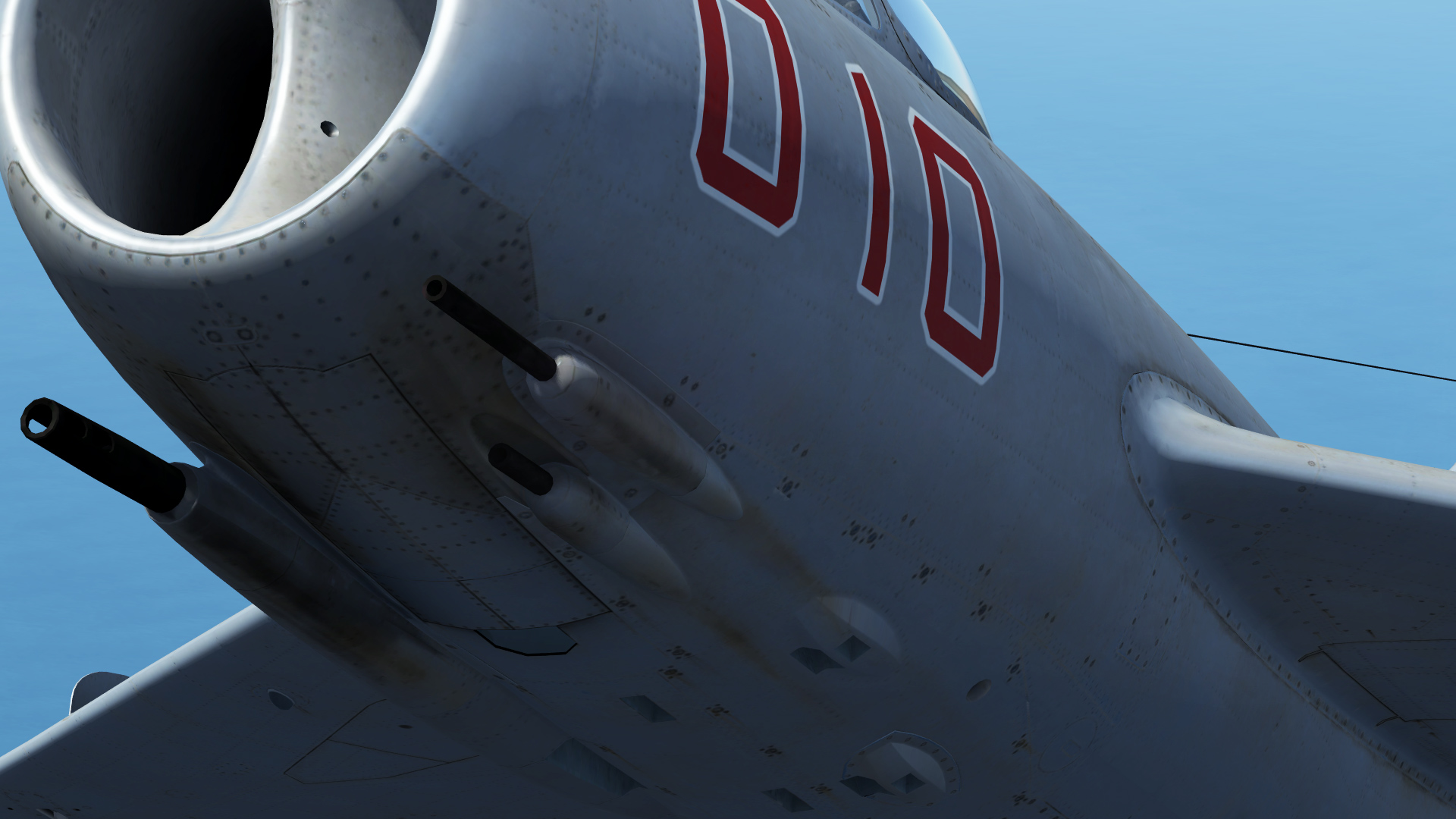
- cannon armament (1 x 37 mm N-37D; 2 x 23 mm NR-23);
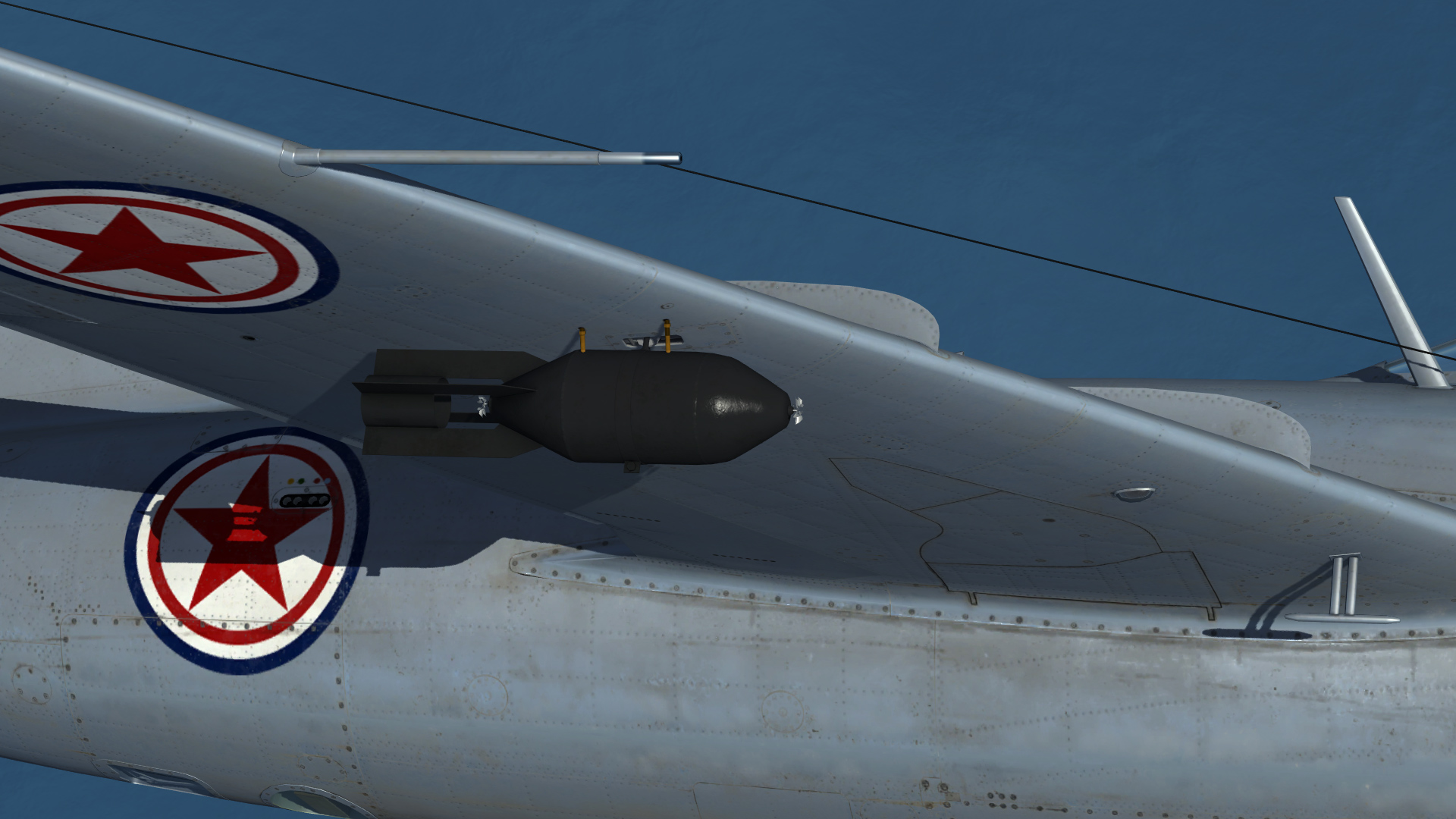
- 1 x 100 kg bomb carried on each wing;
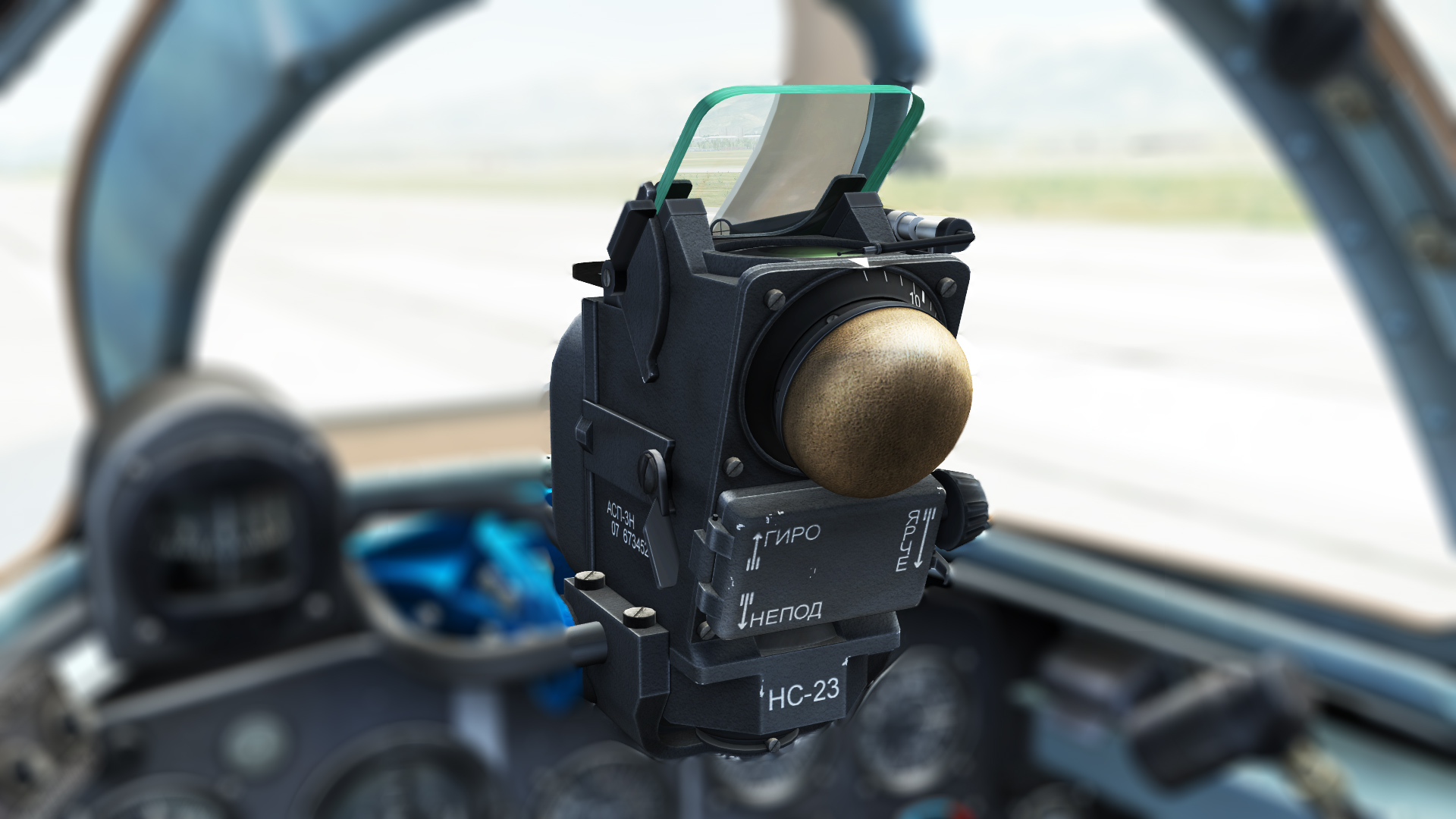
- ASP-3N automatic gunsight.
Unlike the original MiG-15, the MiG-15bis model is powered by the Soviet-produced VK-1 engine in place of the Rolls-Royce Nene I (II). The engine produces 2700 kg (5950 lbs) of static thrust.
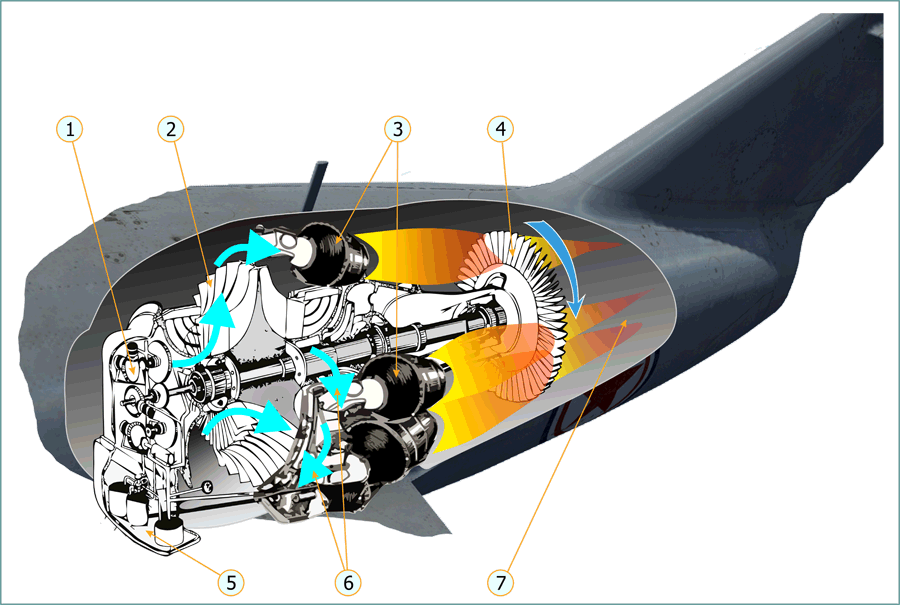
The VK-1 engine model in DCS: MiG-15bis is created as a gas flow chamber, the dynamic specifications for which are determined in real time by a complex system of supporting individual models of primary powerplant elements like the air intake, centrifugal compressor, combustion chambers, compressor turbine, exhaust. The model also includes the fuel supply system and its operational characteristics. Together, these individual model elements combine to provide the following important engine operation specifics:
The engine fuel control system provides atomized fuel to the combustion chambers as required to ensure normal engine operation. Fuel flow is provided by fuel pumps according to throttle position set by the pilot in the cockpit, while actual fuel supply to the engine is metered main fuel regulator.
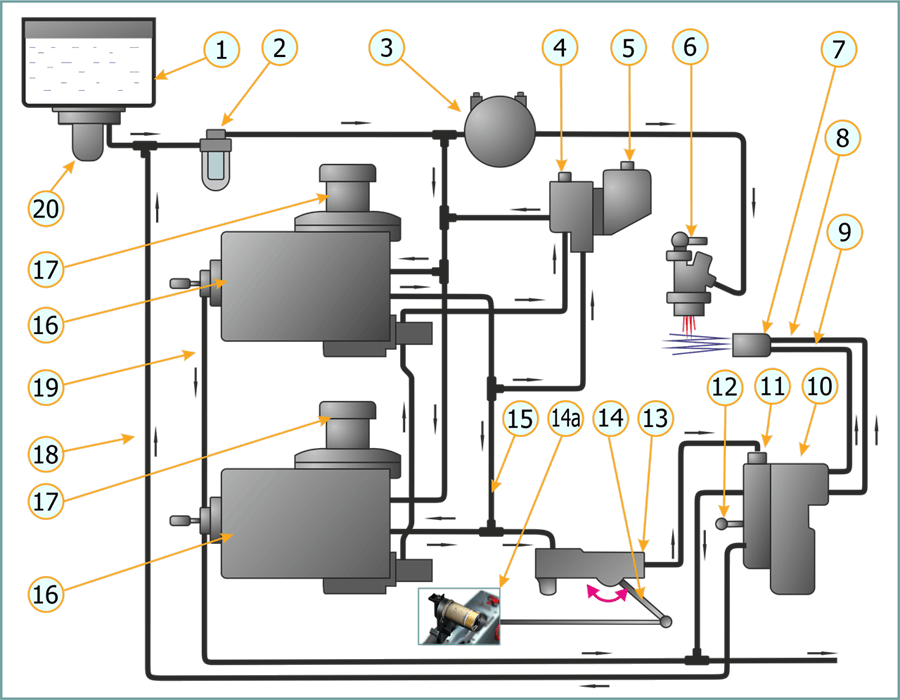
The airplane fuel system is designed to store onboard fuel and provide fuel supply to the engine through the fuel control system.
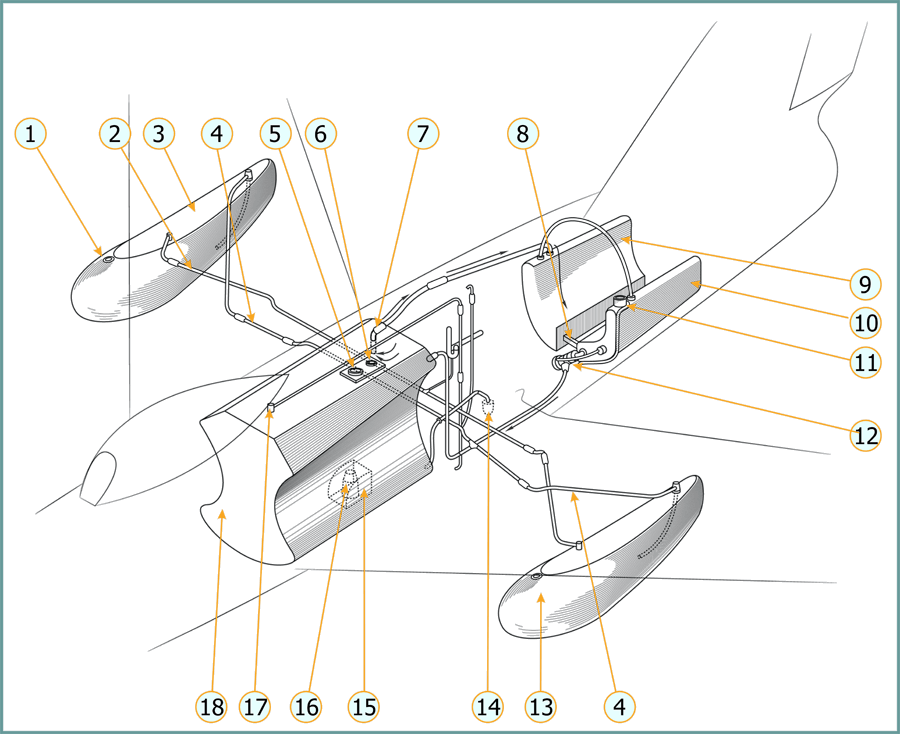
The fuel system consists of two main tanks with a total capacity of 1410 L. The forward tank has a capacity of 1250 L; the rear tank 160 L. The rear tank is constructed of two separate, interconnected containers of 80 L each. The fuel quantity is displayed by the fuel quantity gauge (6) installed on the forward tank, however the gauge only displays up to 1050 L.
A fuel warning light illuminates in the cockpit when remaining fuel quantity reaches 300 L.
Two drop tanks with a capacity of 300, 400, or 600 L can be carried on the wings.