Digital Combat Simulator World (DCS World) 2.8 è un gioco gratuito di simulazione di combattimento.
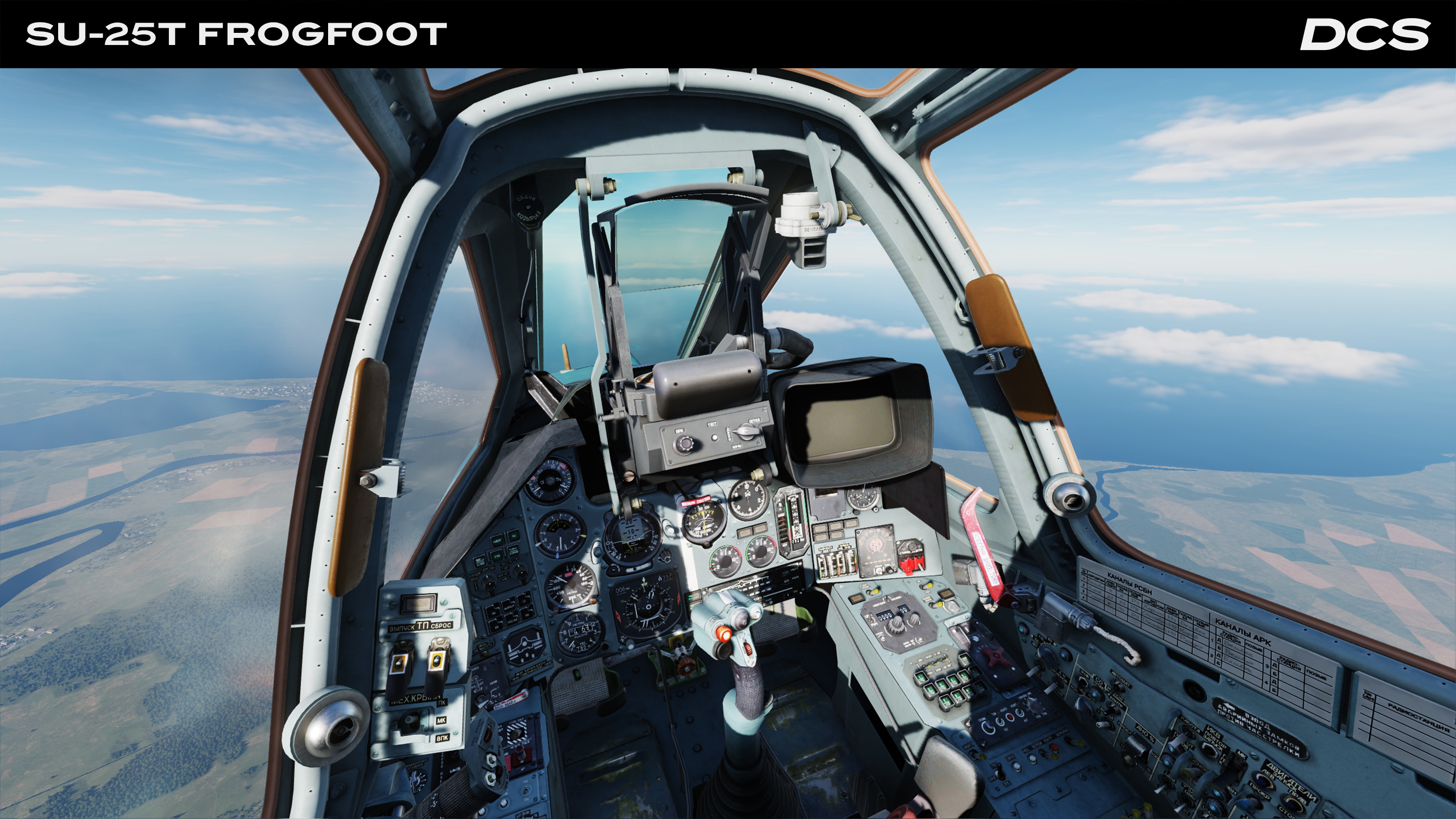
Il nostro sogno è offrire la simulazione più autentica e realistica possibile di aerei militari, carri armati, veicoli terrestri e navi. Questo download gratuito include una vasta area operativa nella regione del Caucaso e del Mar Nero, che comprende gran parte della Georgia. Sono inclusi come aerei pilotabili il velivolo da attacco al suolo russo Sukhoi Su-25T e il famoso caccia statunitense della Seconda Guerra Mondiale TF-51D. Sono inoltre disponibili a pagamento decine di velivoli aggiuntivi.
Il download include uno dei più potenti editor di missioni mai progettati, il supporto al gioco in modalità multiplayer online e oltre 156 sistemi d'arma AI, 105 tra veicoli terrestri e treni, 50 sistemi di difesa aerea, 19 navi e 84 aerei AI che permettono di pianificare e svolgere missioni altamente sofisticate. DCS World è ampiamente estendibile attraverso moduli aggiuntivi, nonché add-on e mod realizzate dagli utenti che è possibile acquistare e scaricare dal nostro sito.
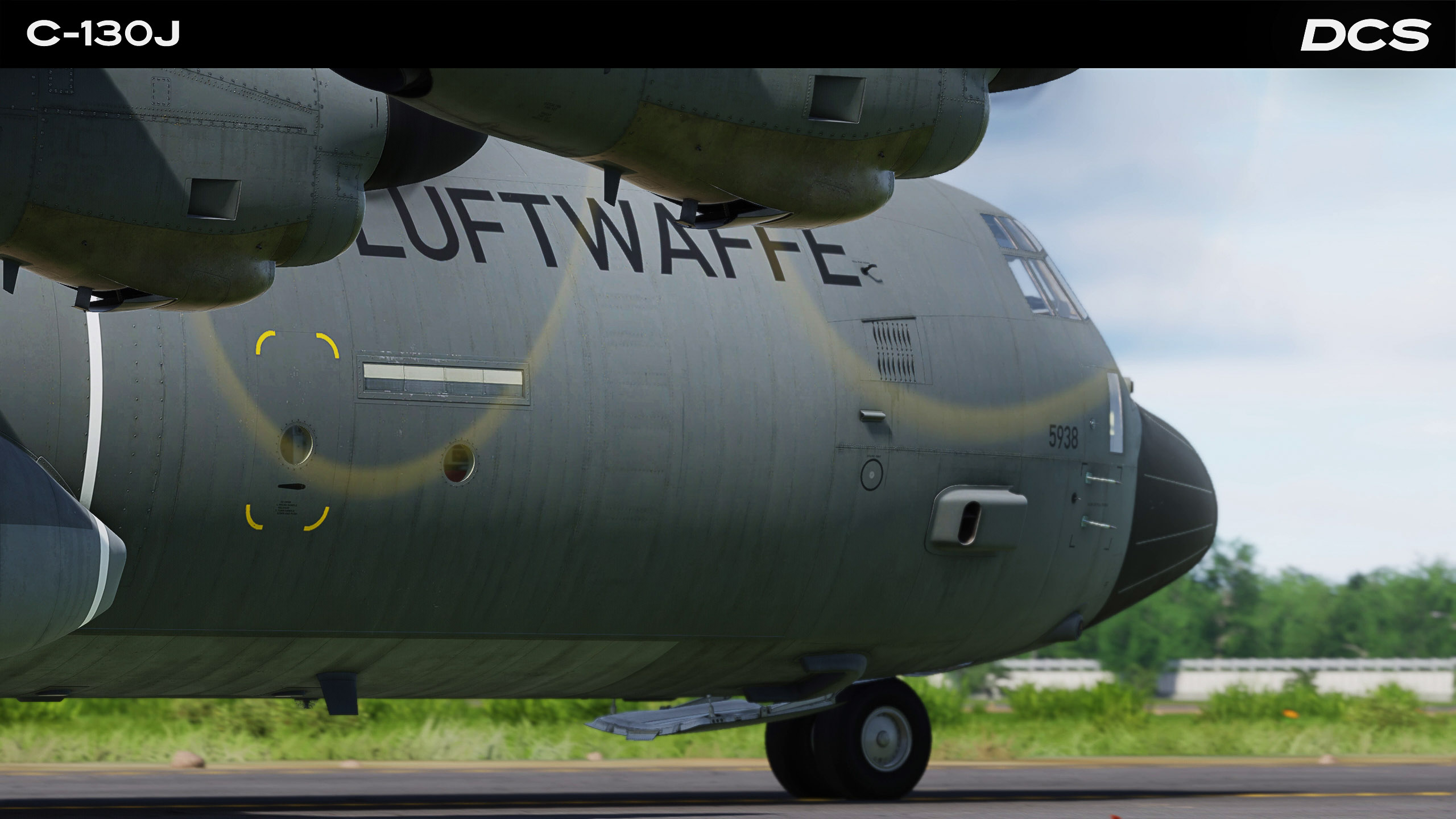
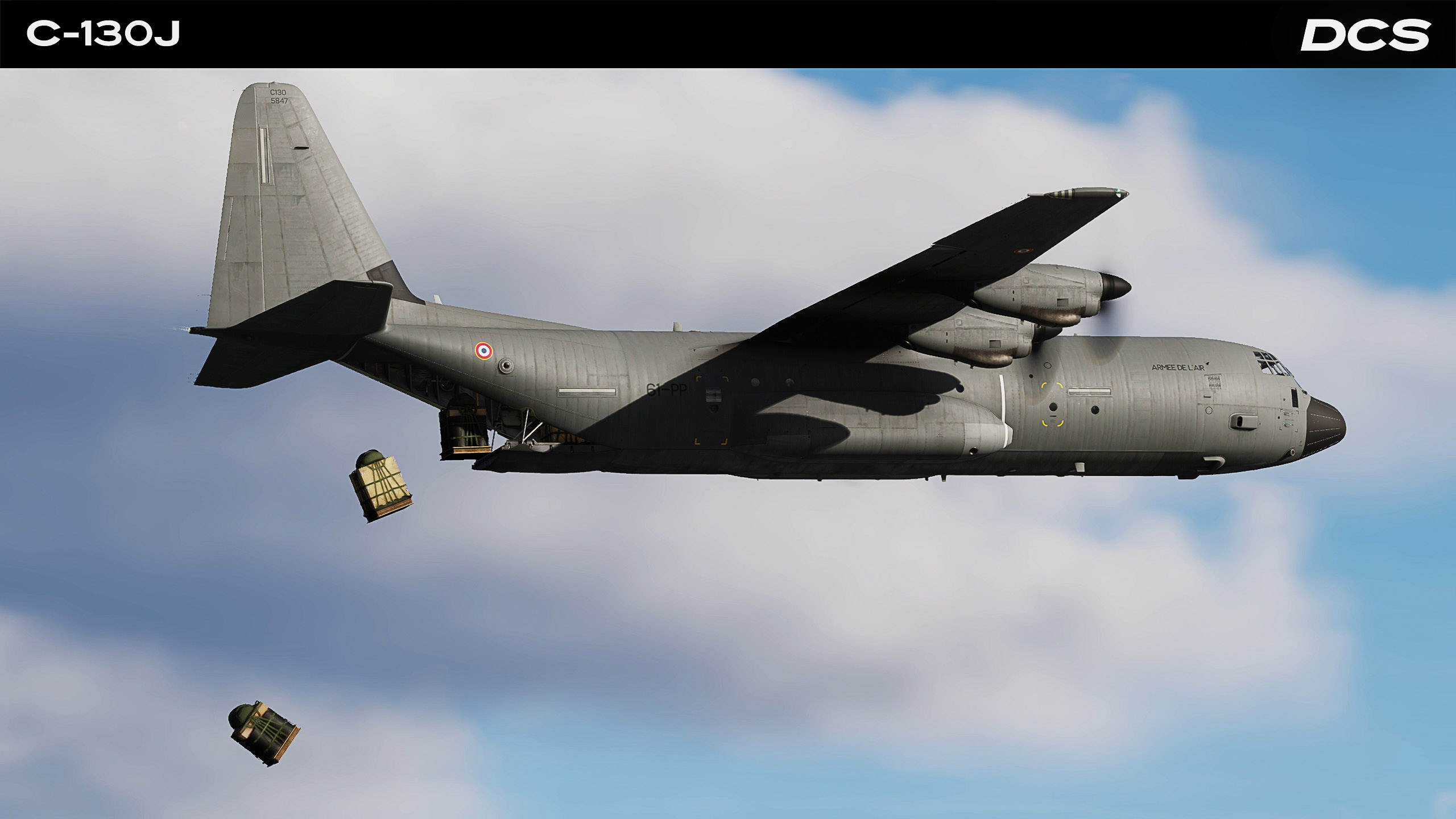
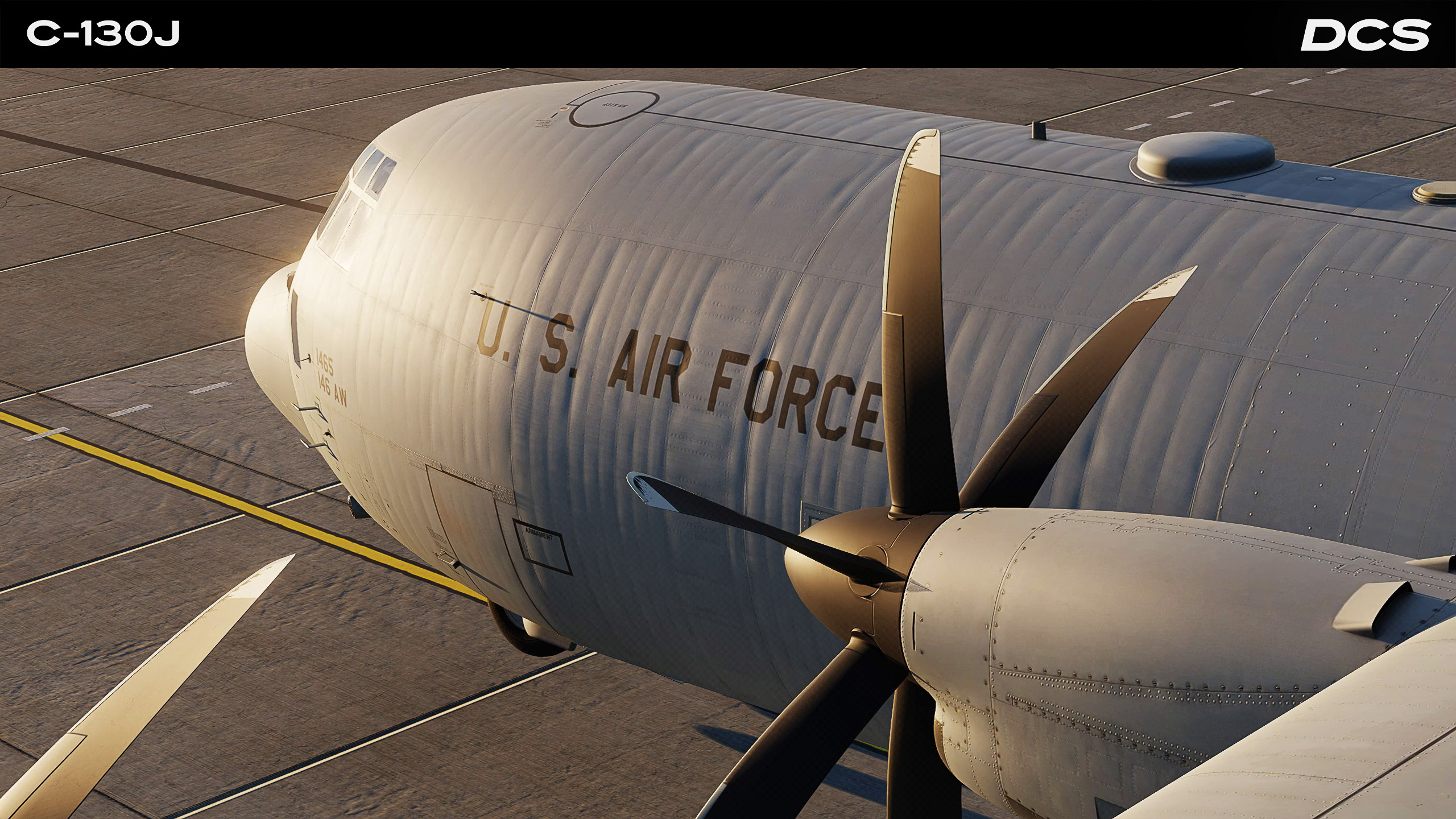
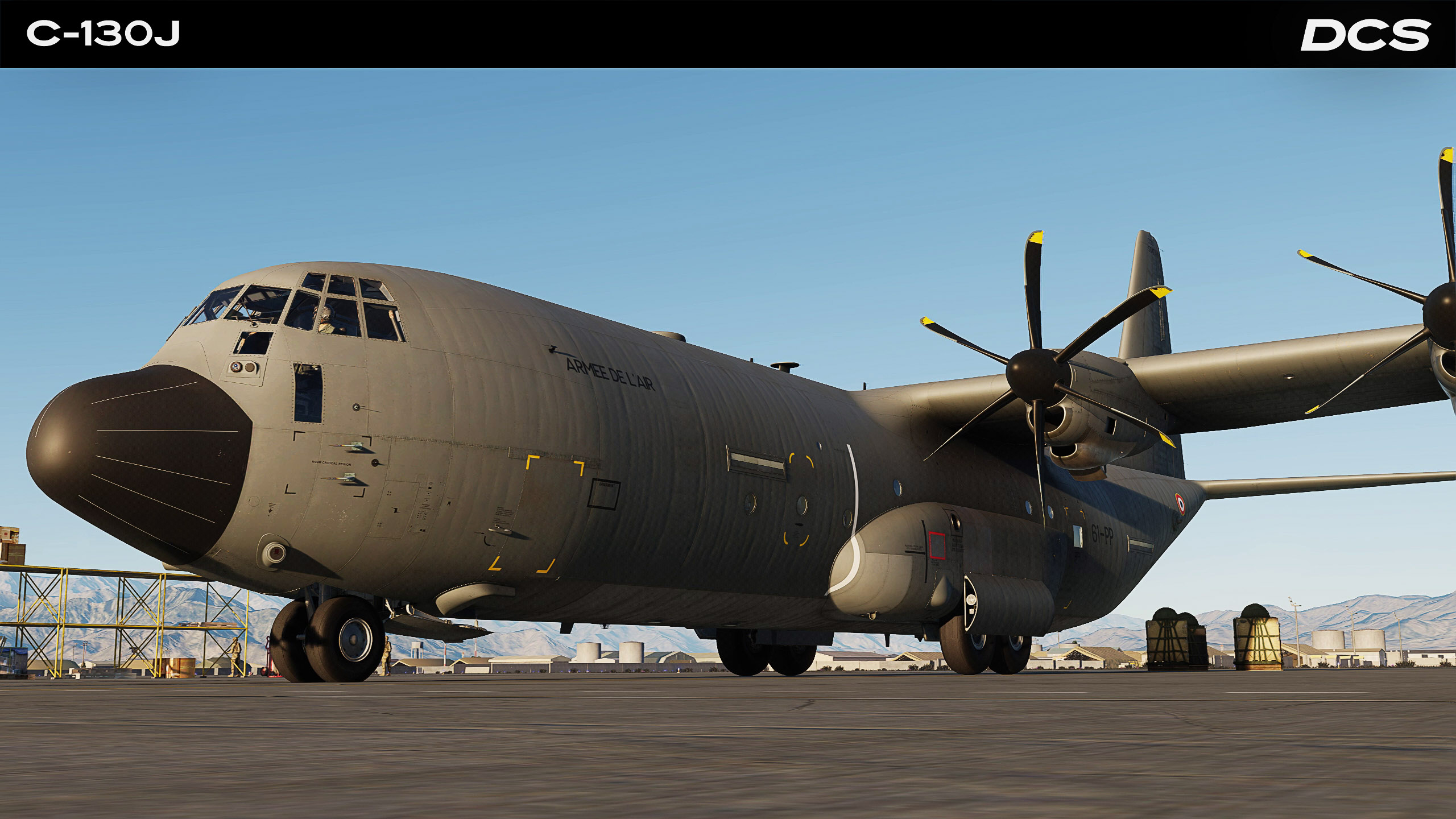
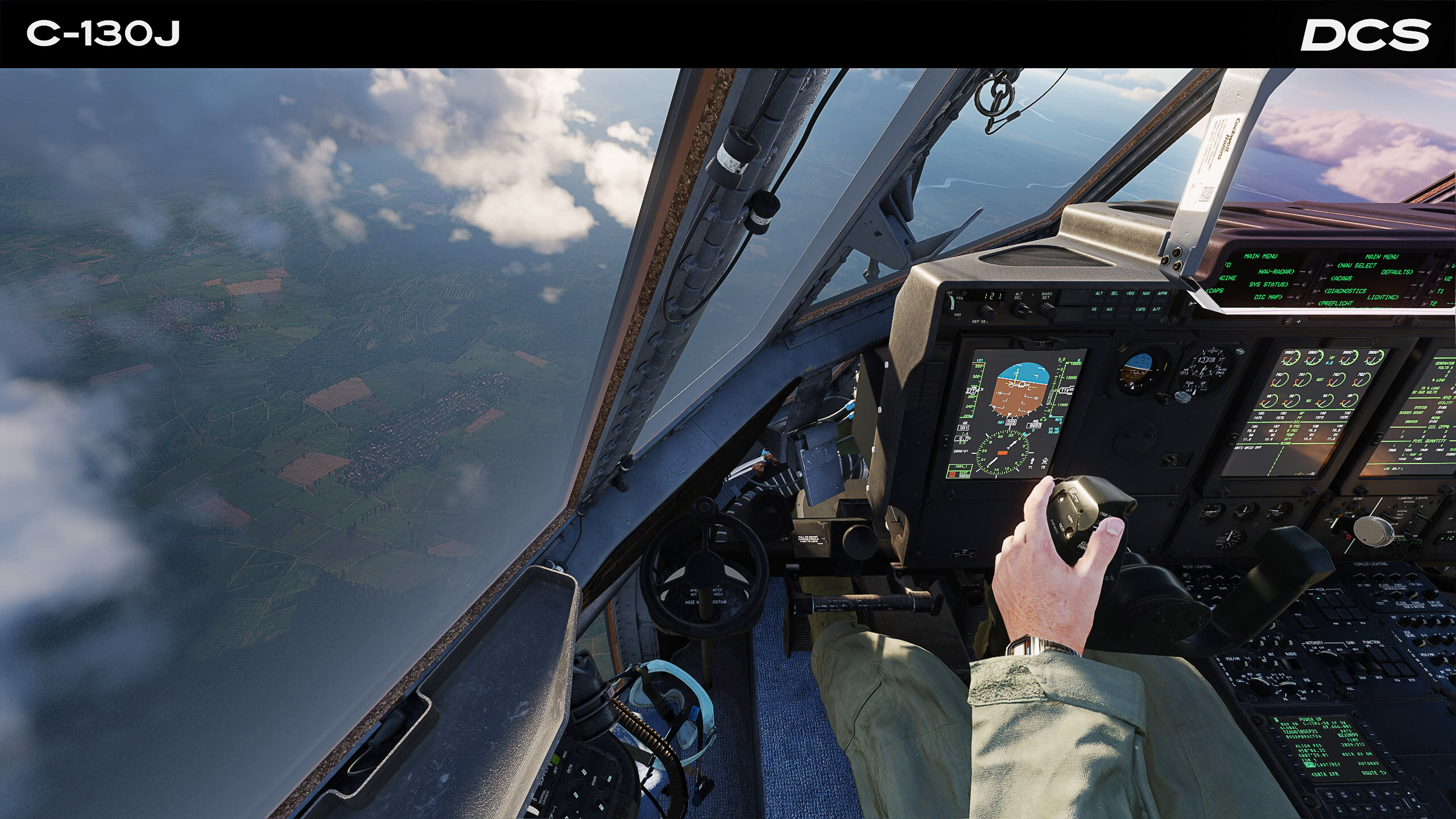
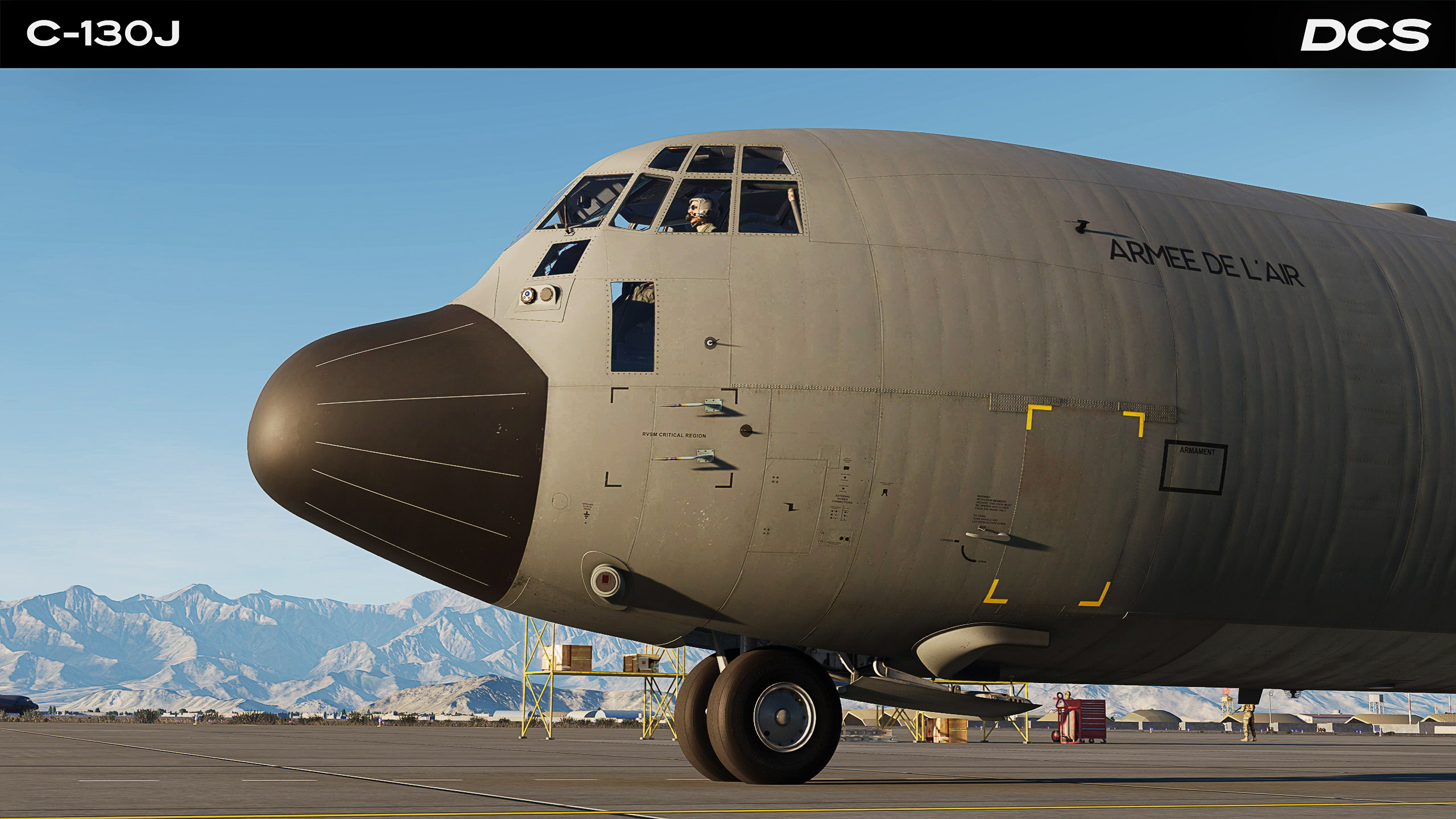
Get ready to step into the cockpit of the DCS: C-130J, the latest model of the most versatile military transport aircraft ever built. The C-130J puts you in command of the world’s celebrated tactical transporter, renowned for delivering troops, tanks, supplies, and lifesaving relief to hostile and war torn places. From engine start to wheels-up, every switch and system has been painstakingly recreated to let you haul and airdrop exactly as real C-130J crews do. The "Herc" is perfect for threading mountain valleys at 250 feet, skimming wave tops to deploy infantry, or heaving a 22-ton "MOAB" out the back ramp. The C-130J turns every sortie into a mission of muscle, precision, and pure aviator grit. Rally your crew, climb aboard and fly this iconic heavyweight.
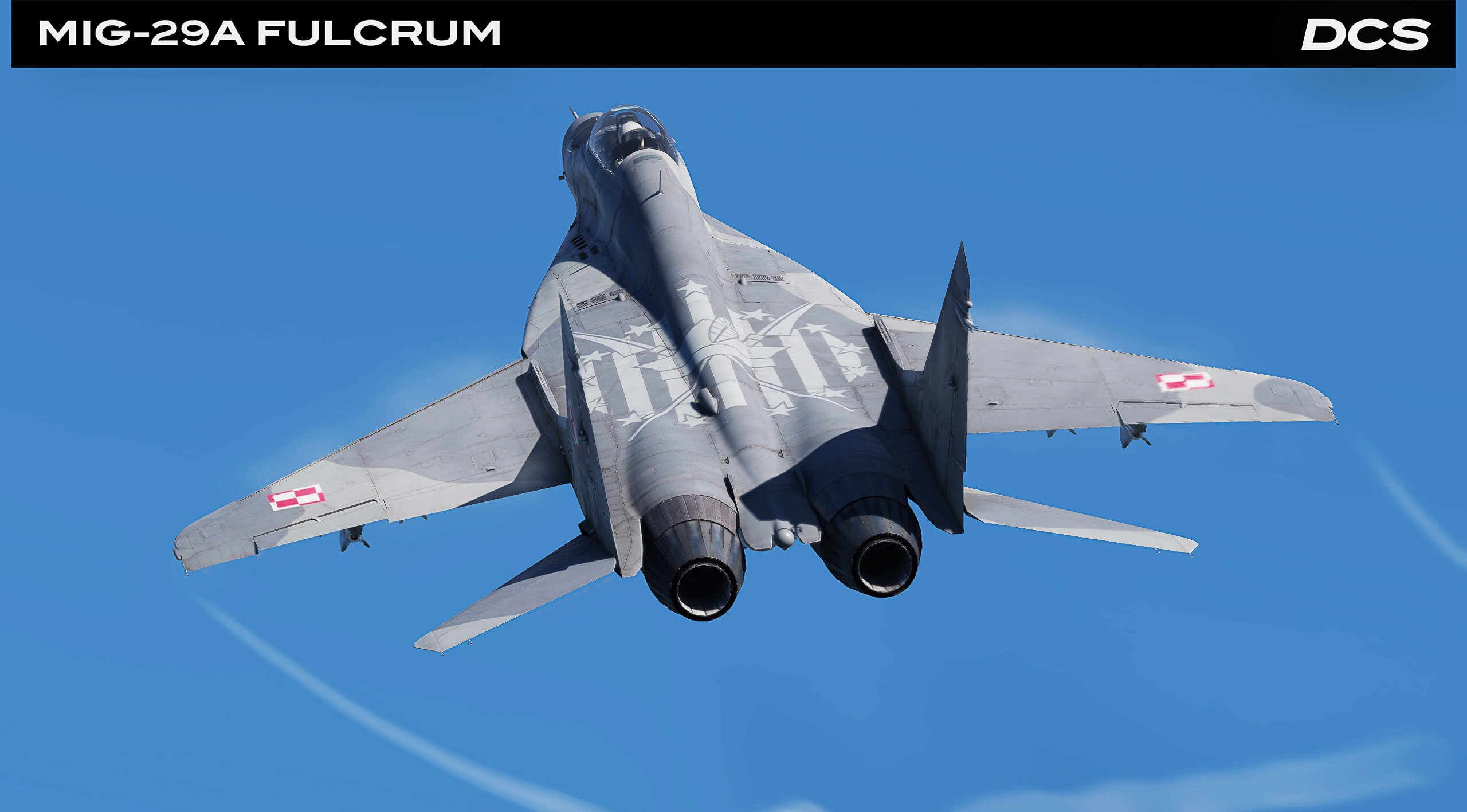
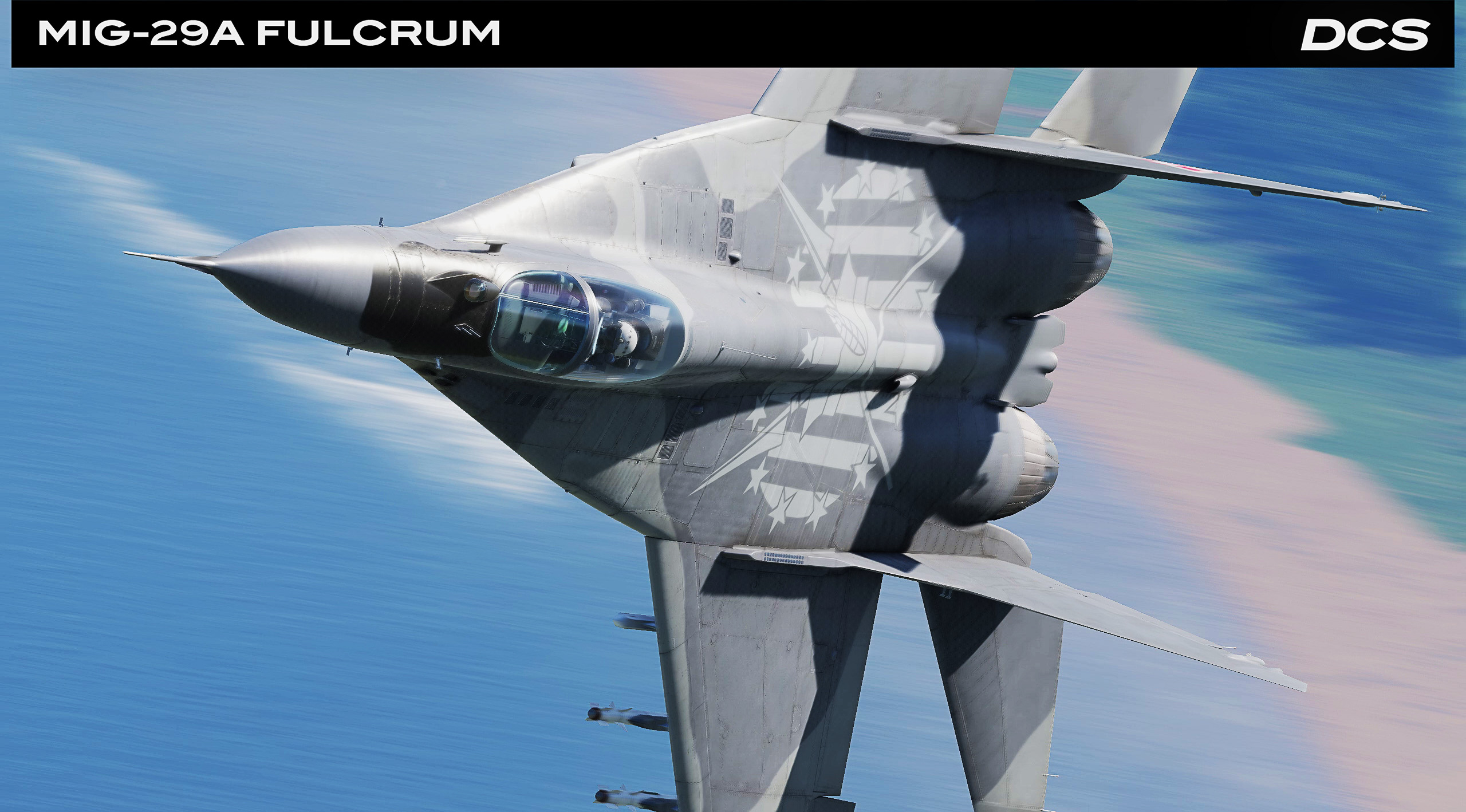
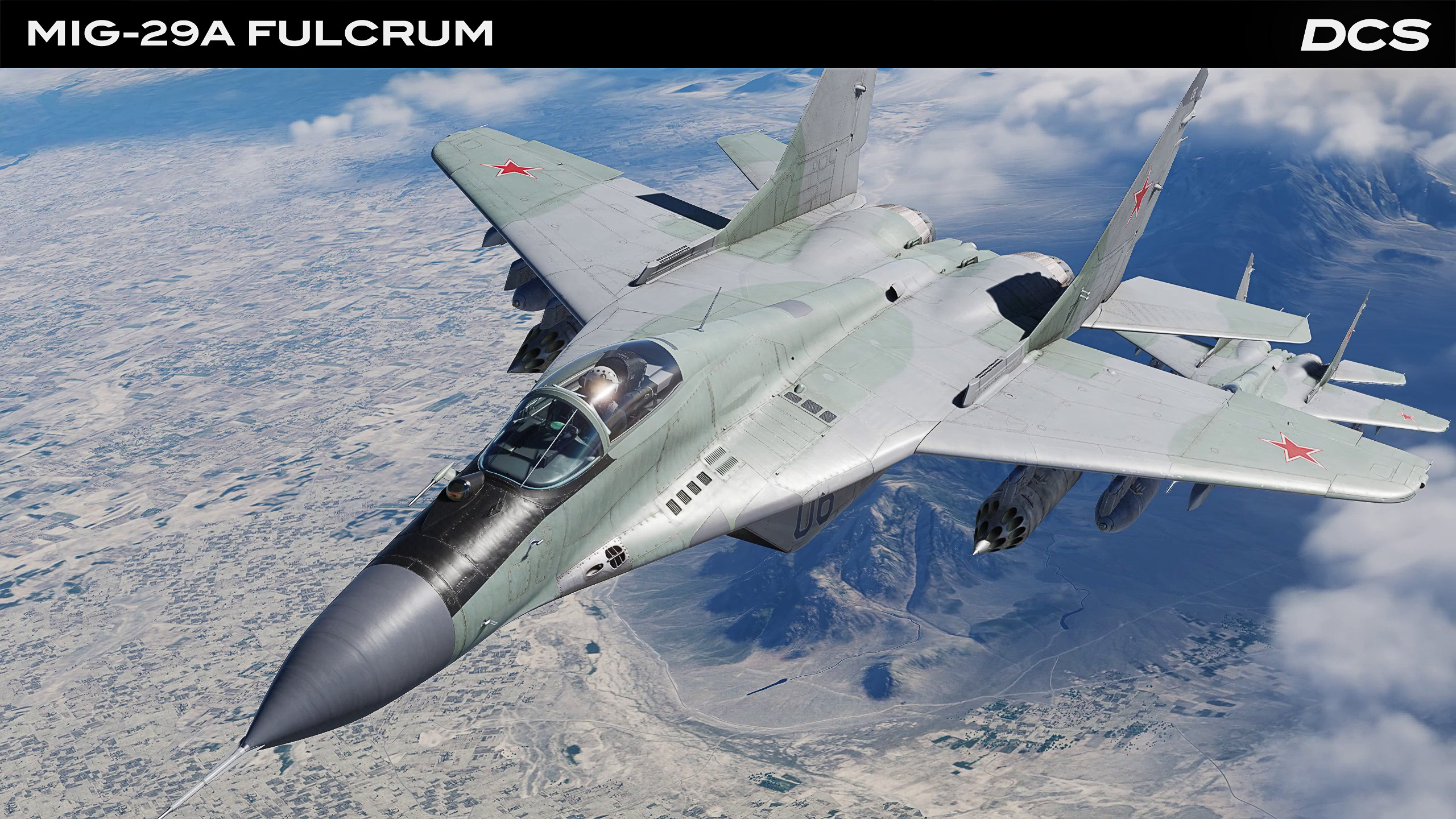
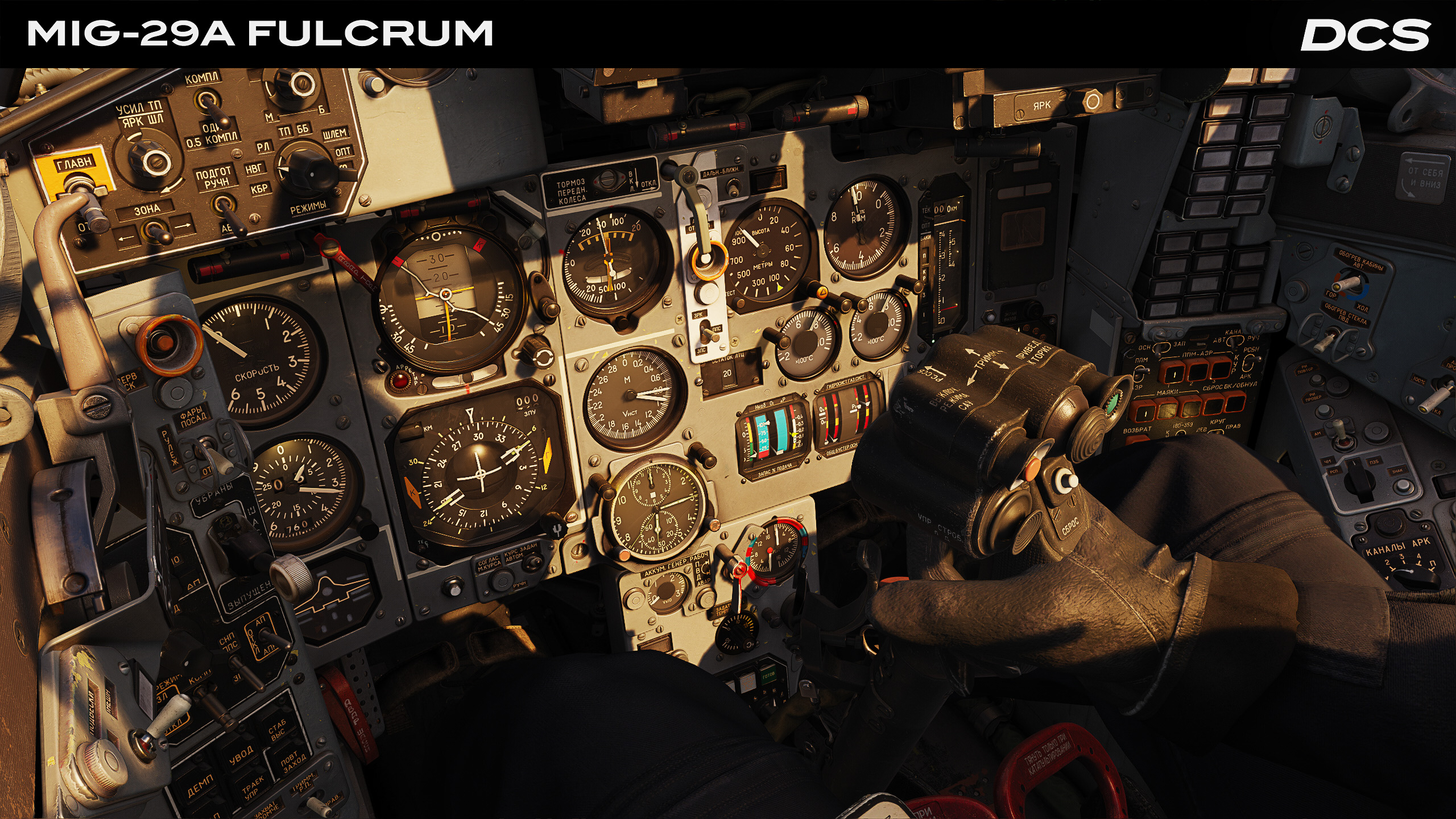
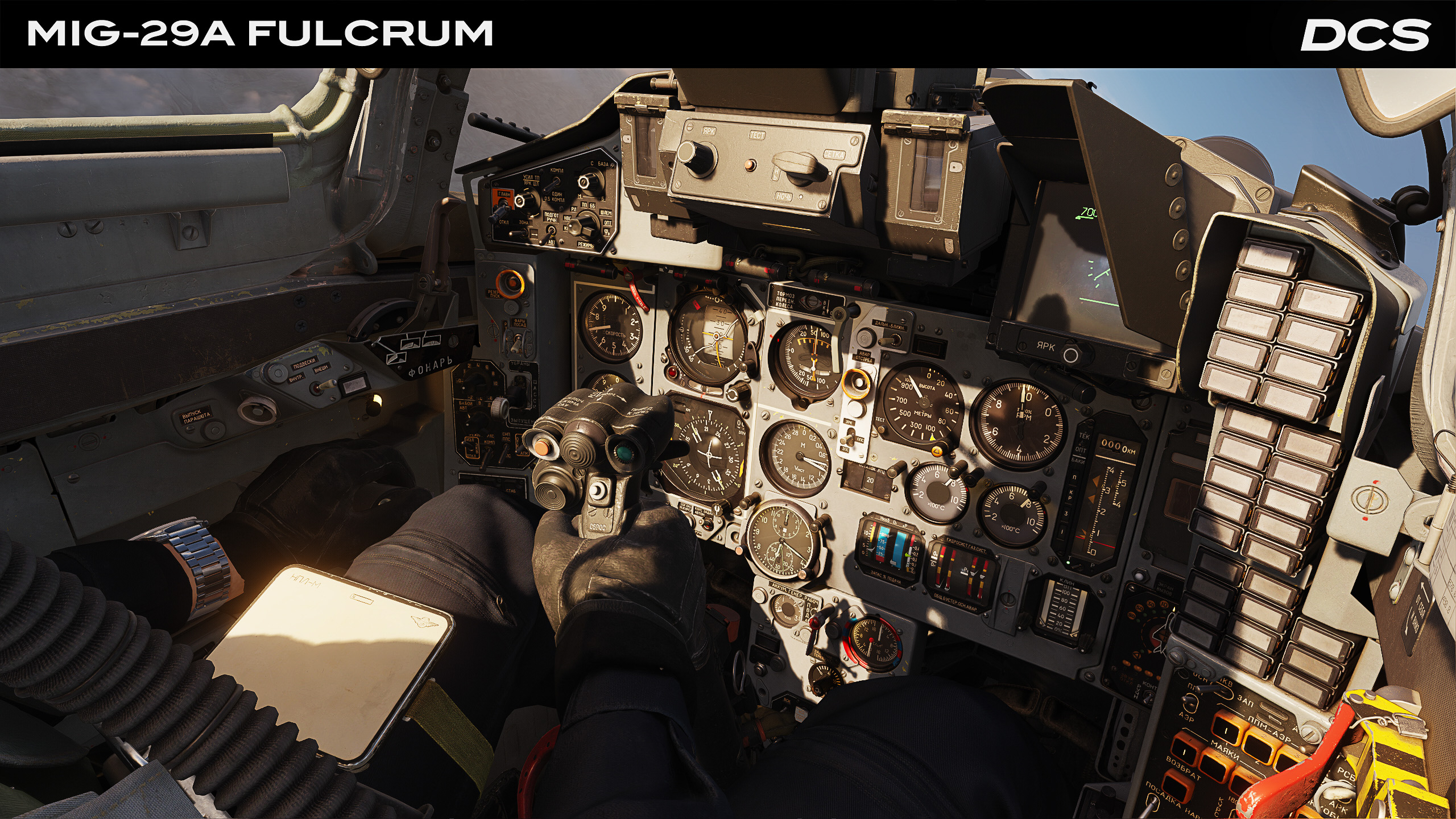
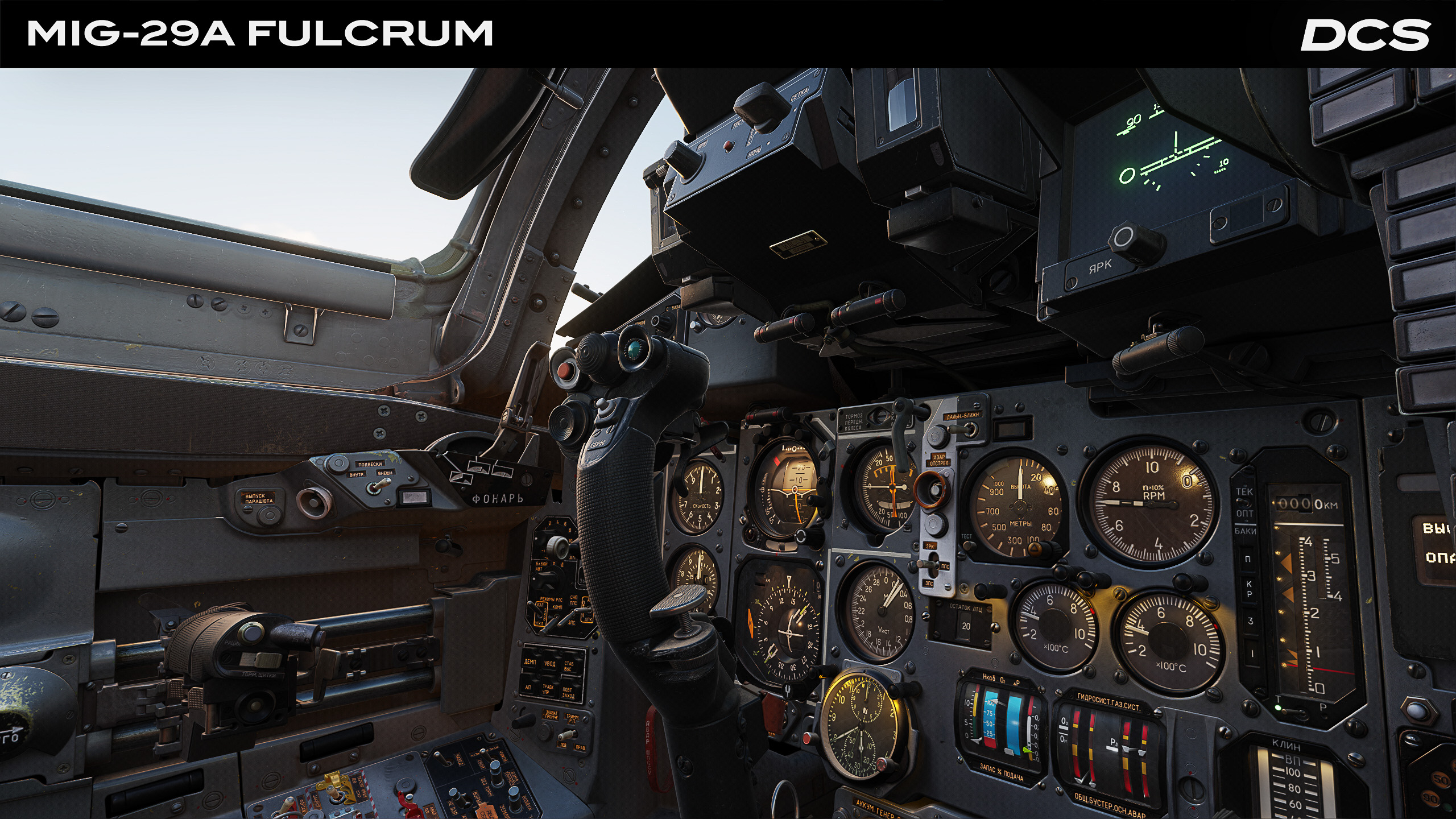
Il MiG-29A rimane uno dei caccia più famosi al mondo grazie alle sue eccezionali caratteristiche prestazionali, all'affidabilità e alla semplicità dei sistemi d'arma. È in grado di eseguire manovre ad alto angolo di attacco che lo rendono letale nel combattimento aereo ravvicinato. Oltre all'R-73 e all'HMS, il MiG-29A è anche armato con missili a medio raggio guidati da radar, un cannone da 30 mm e bombe e razzi non guidati.
Il Mikoyan MiG-29A è stato utilizzato da 39 forze aeree sin dalla sua introduzione negli anni '80 e circa 100 esemplari sono ancora in servizio.
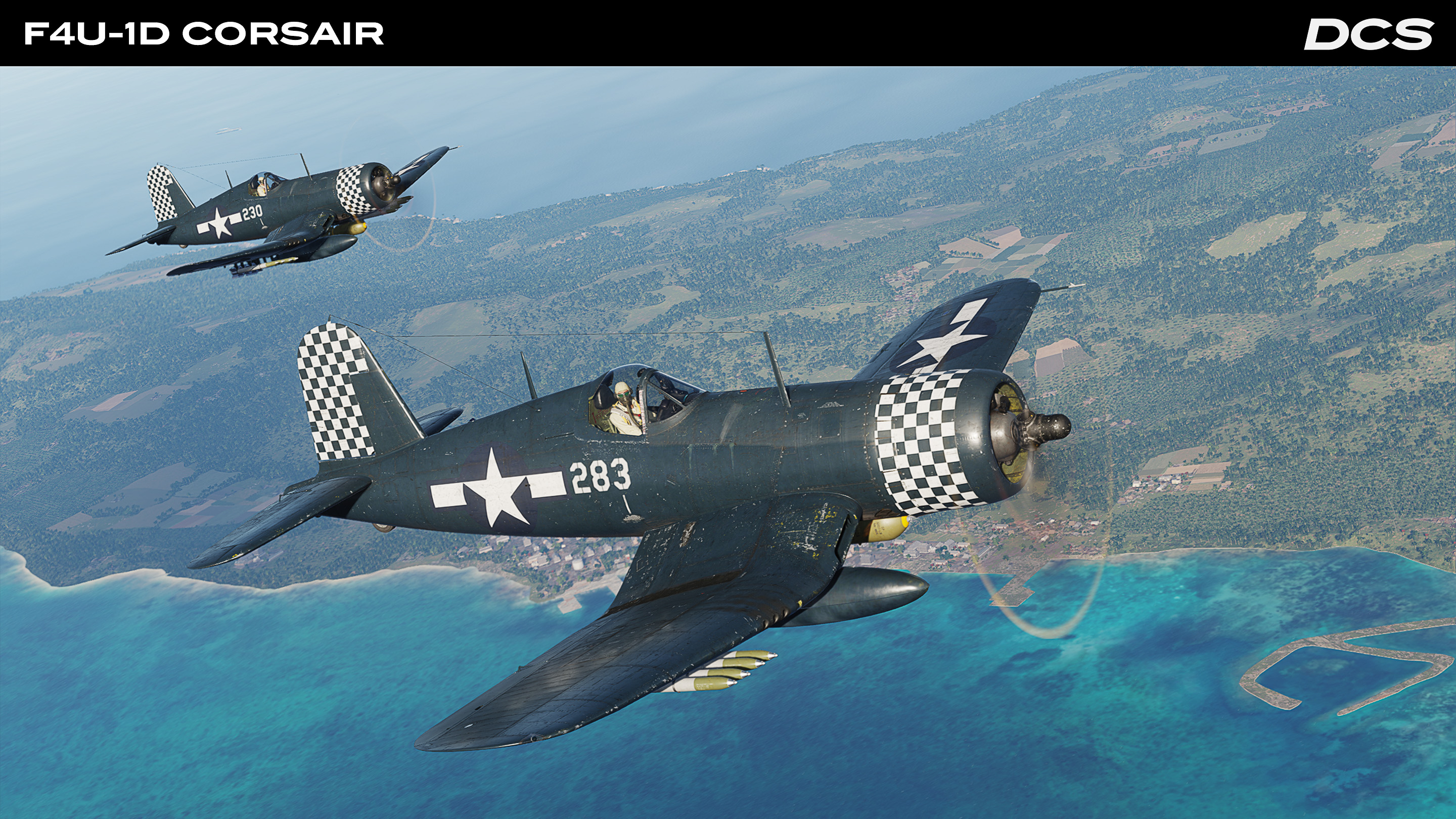
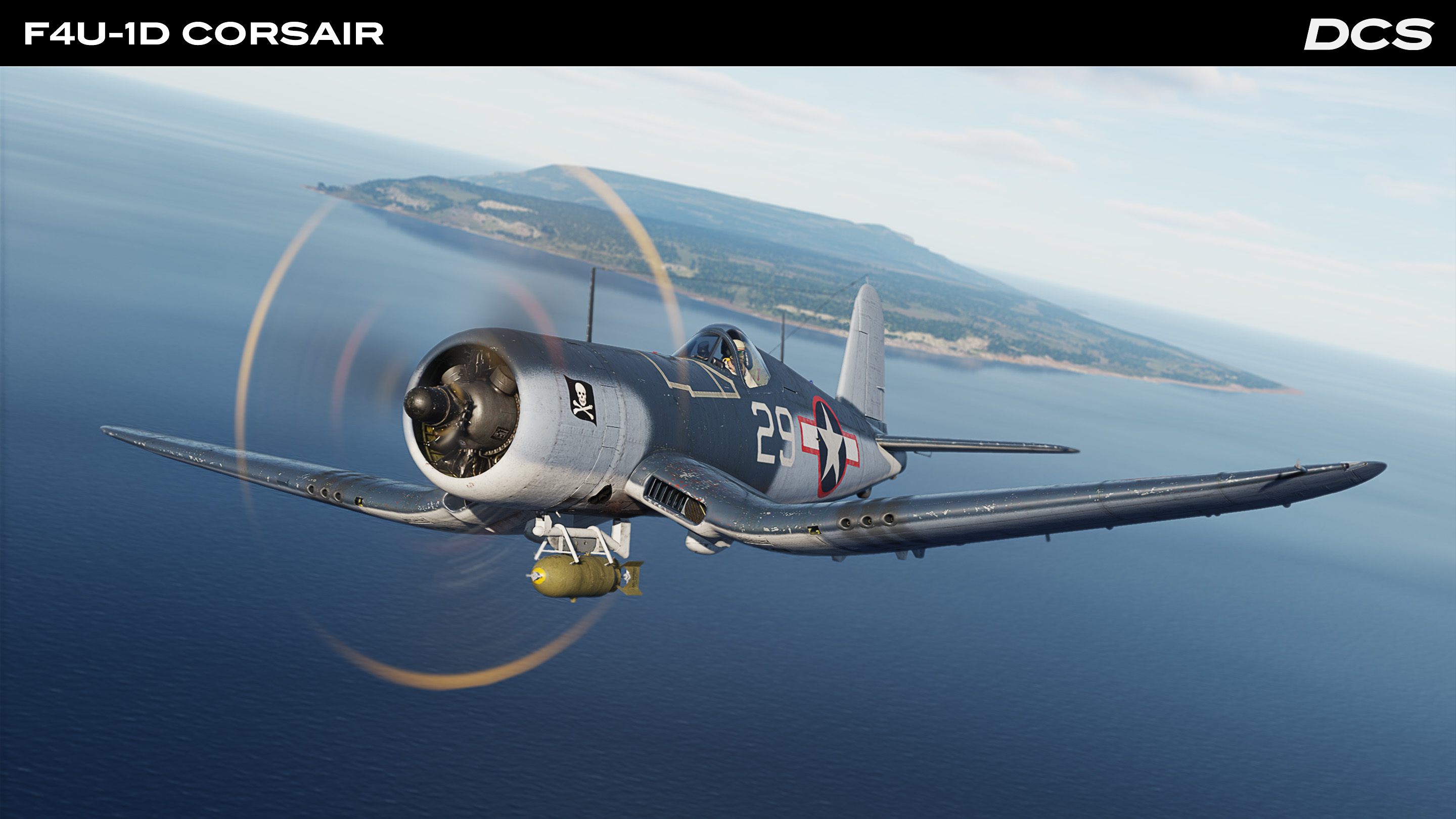
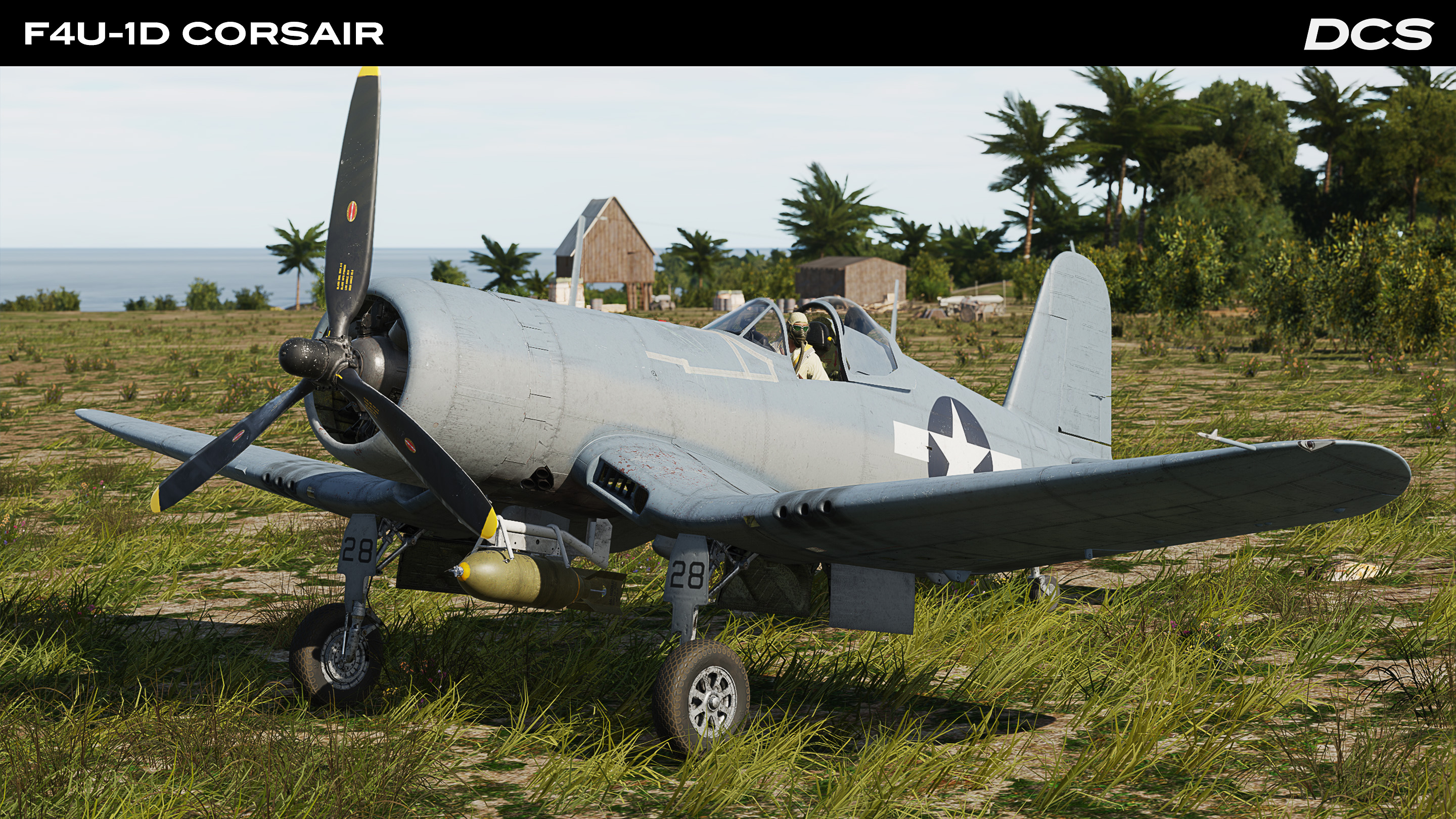
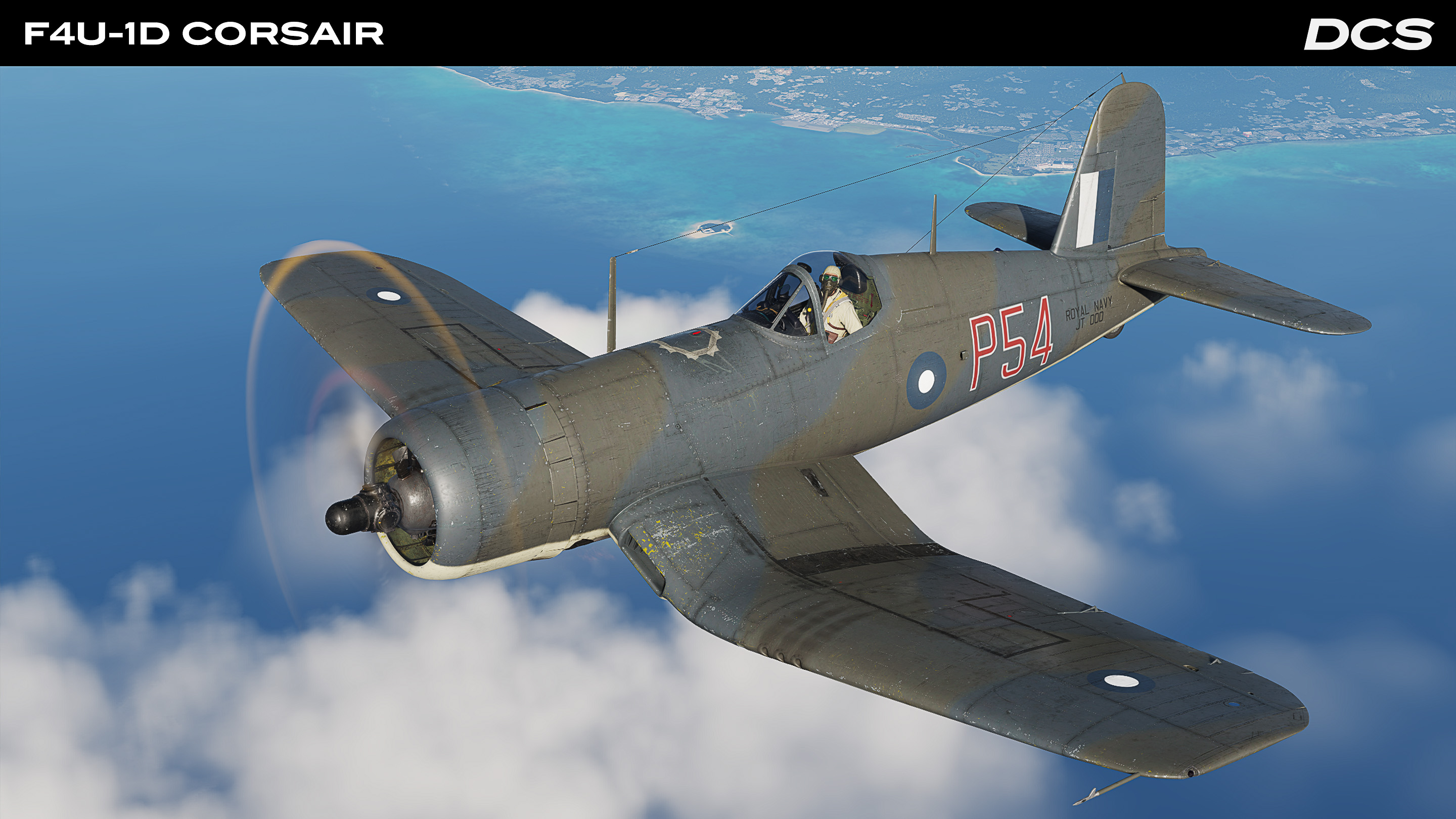
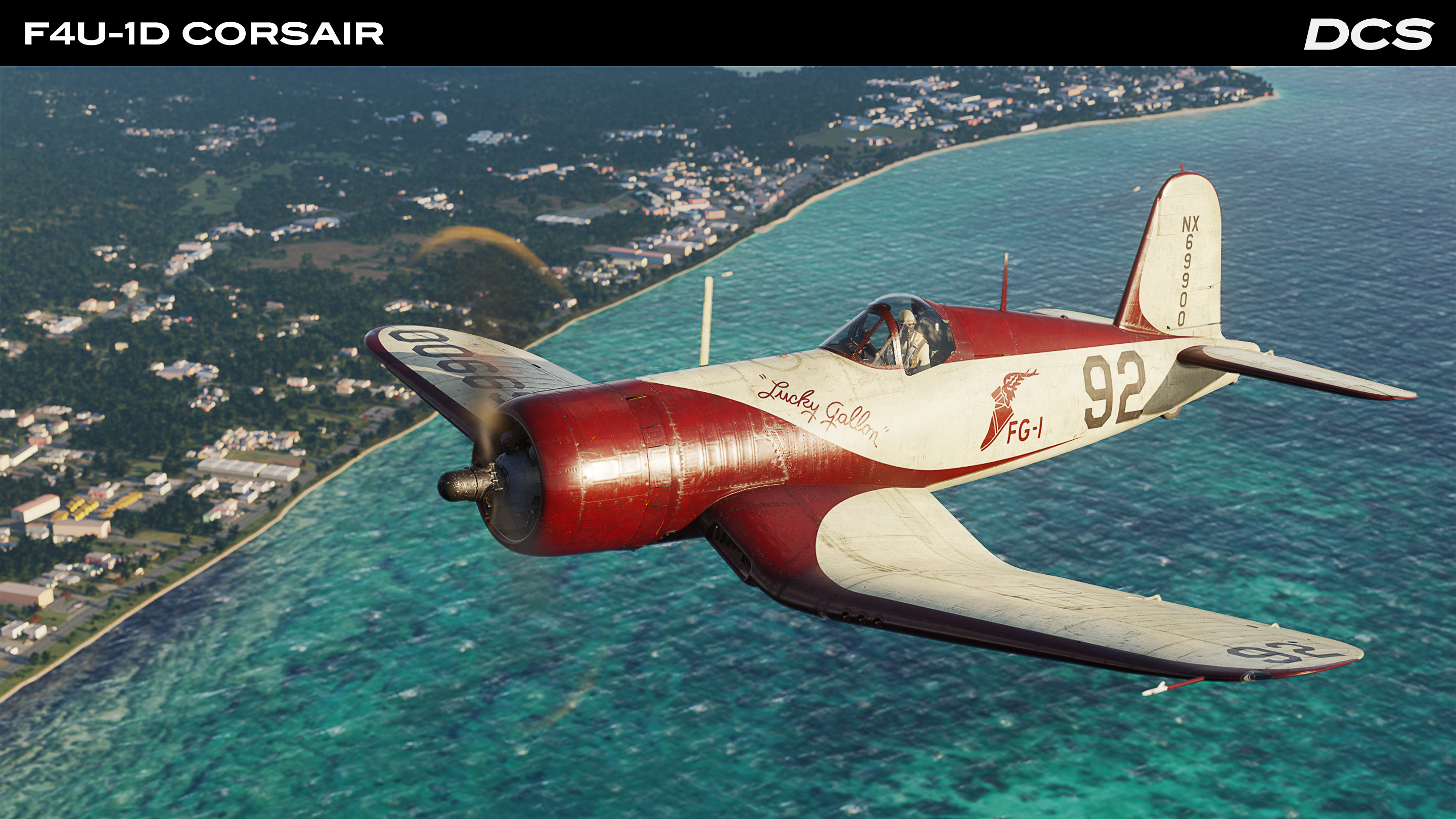
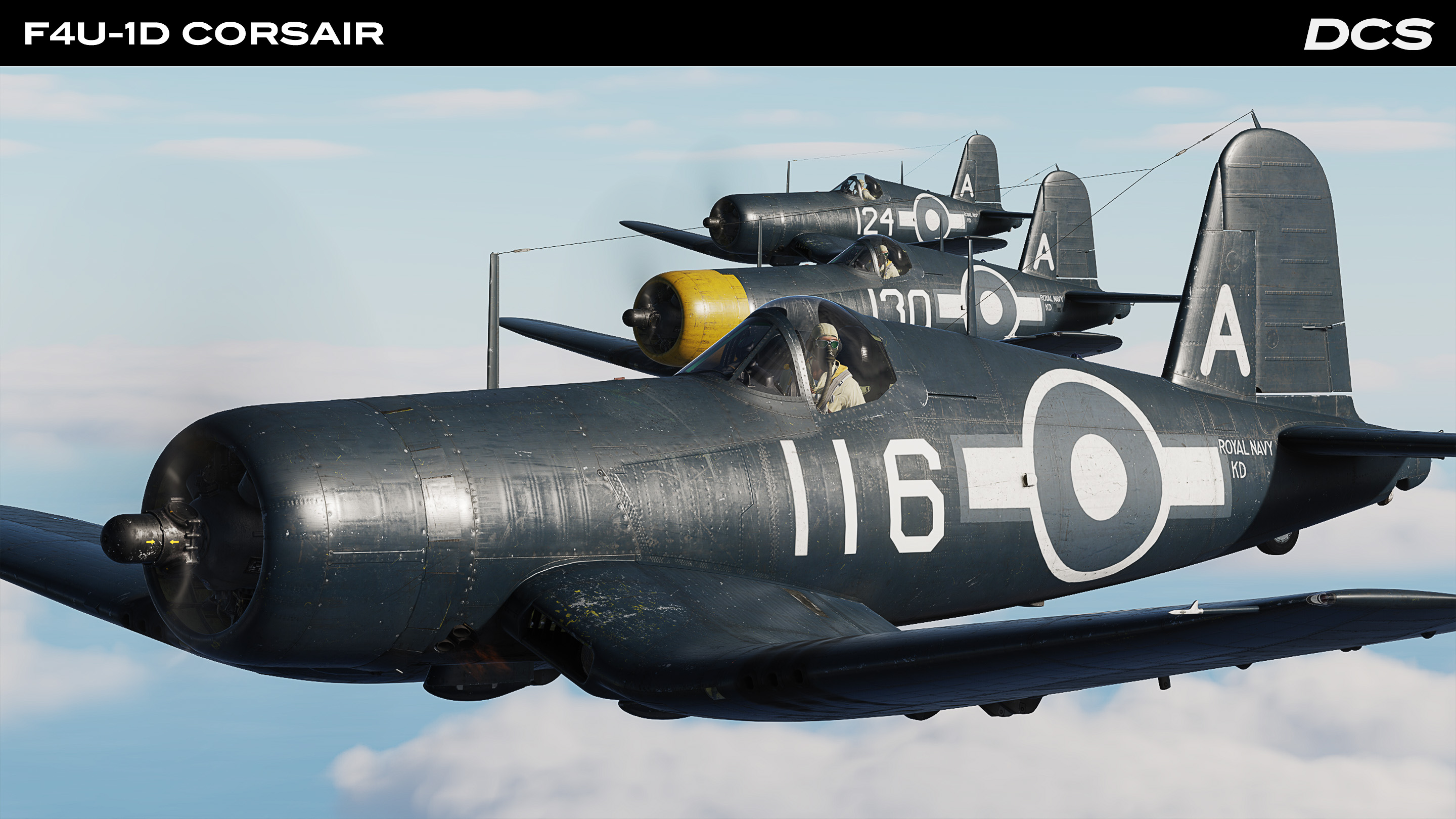
Questo modulo include un aereo F4U-1D Corsair, una portaerei classe Essex e 8 unità terrestri imperiali giapponesi della Seconda Guerra Mondiale.
Il Vought F4U Corsair è un aereo da caccia americano che ha avuto un servizio di spicco principalmente nella Seconda Guerra Mondiale e nella Guerra di Corea. Originariamente progettato e prodotto da Chance Vought, le eccezionali prestazioni del Corsair hanno portato a una domanda sostanziale; di conseguenza, contratti di produzione aggiuntivi sono stati assegnati a Goodyear (i cui Corsair erano designati FG) e Brewster (designati F3A).
Principalmente concepito e operato come aereo basato su portaerei, il Corsair fu introdotto in numeri significativi nella Marina e nei Marines degli Stati Uniti durante la Seconda Guerra Mondiale. Si affermò rapidamente come uno dei più capaci caccia-bombardieri basati su portaerei del conflitto.
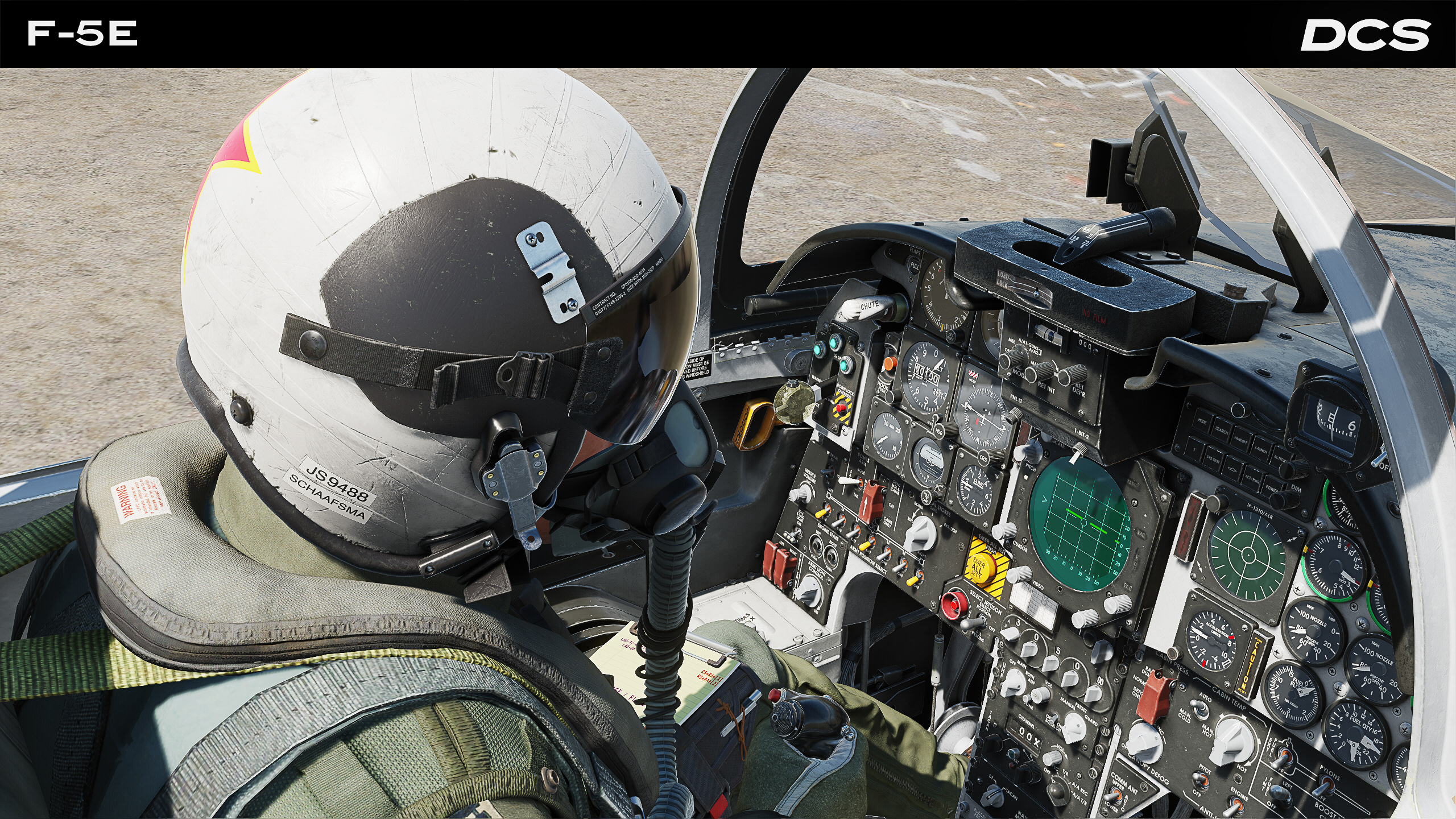
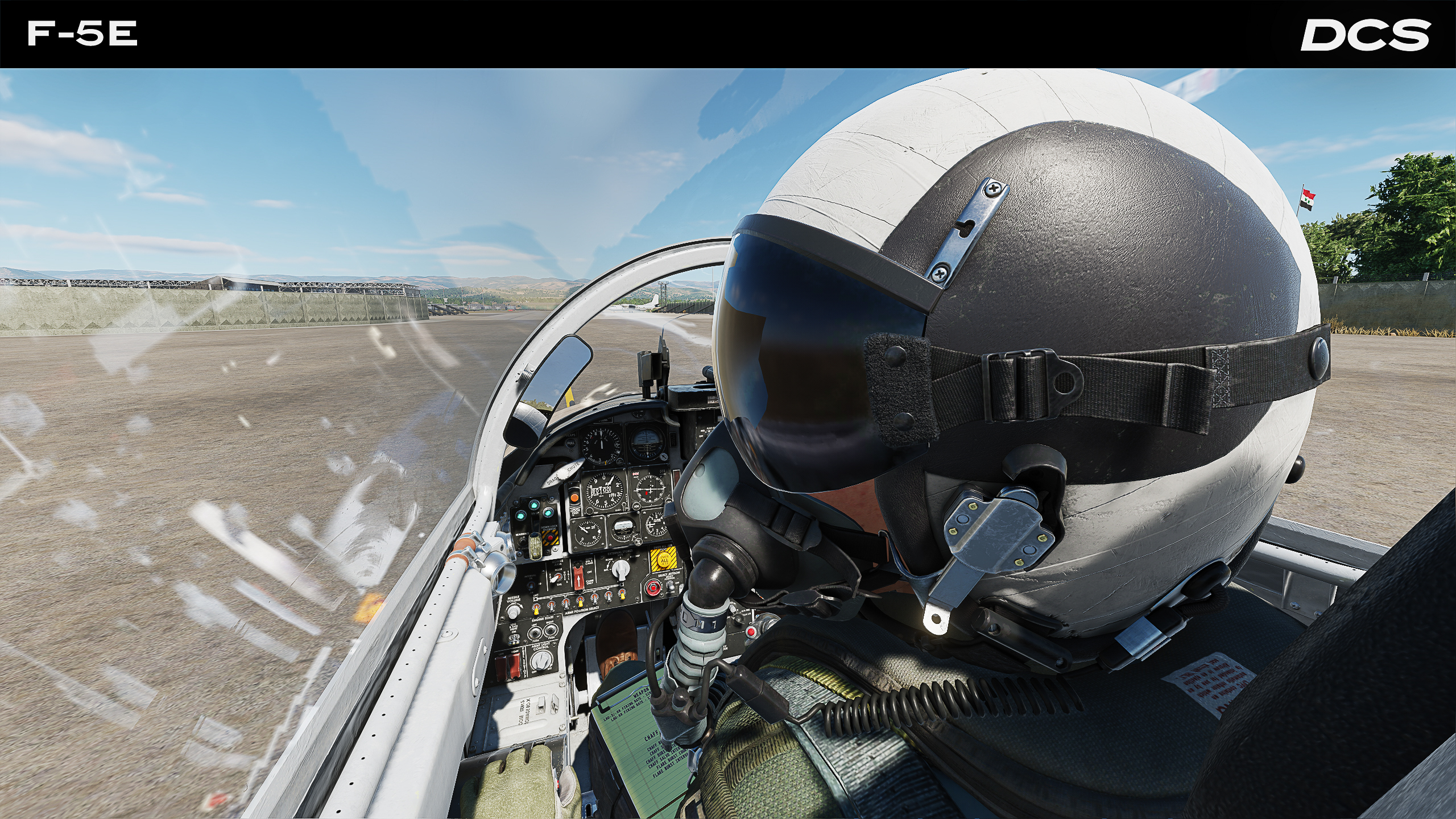
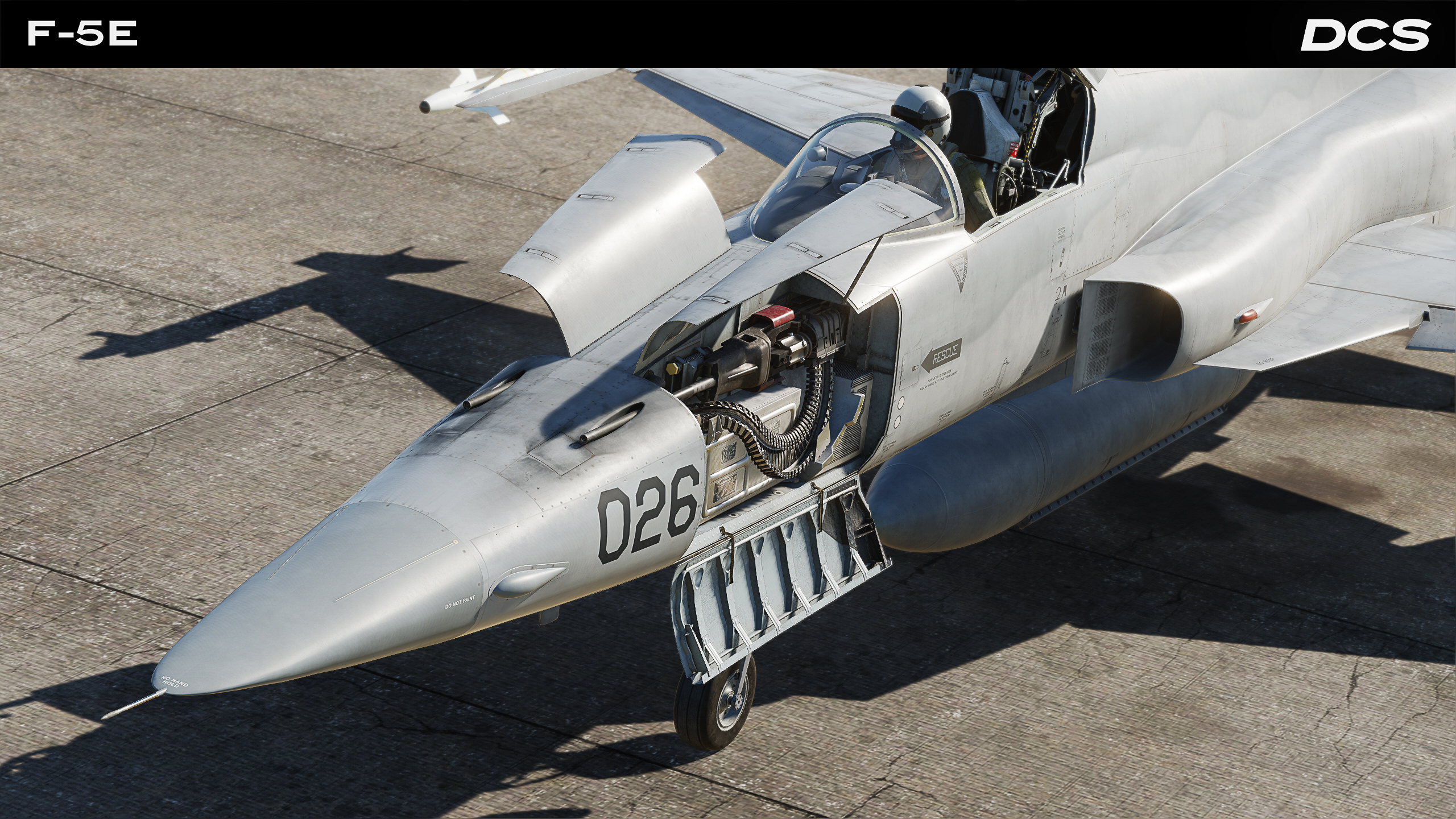
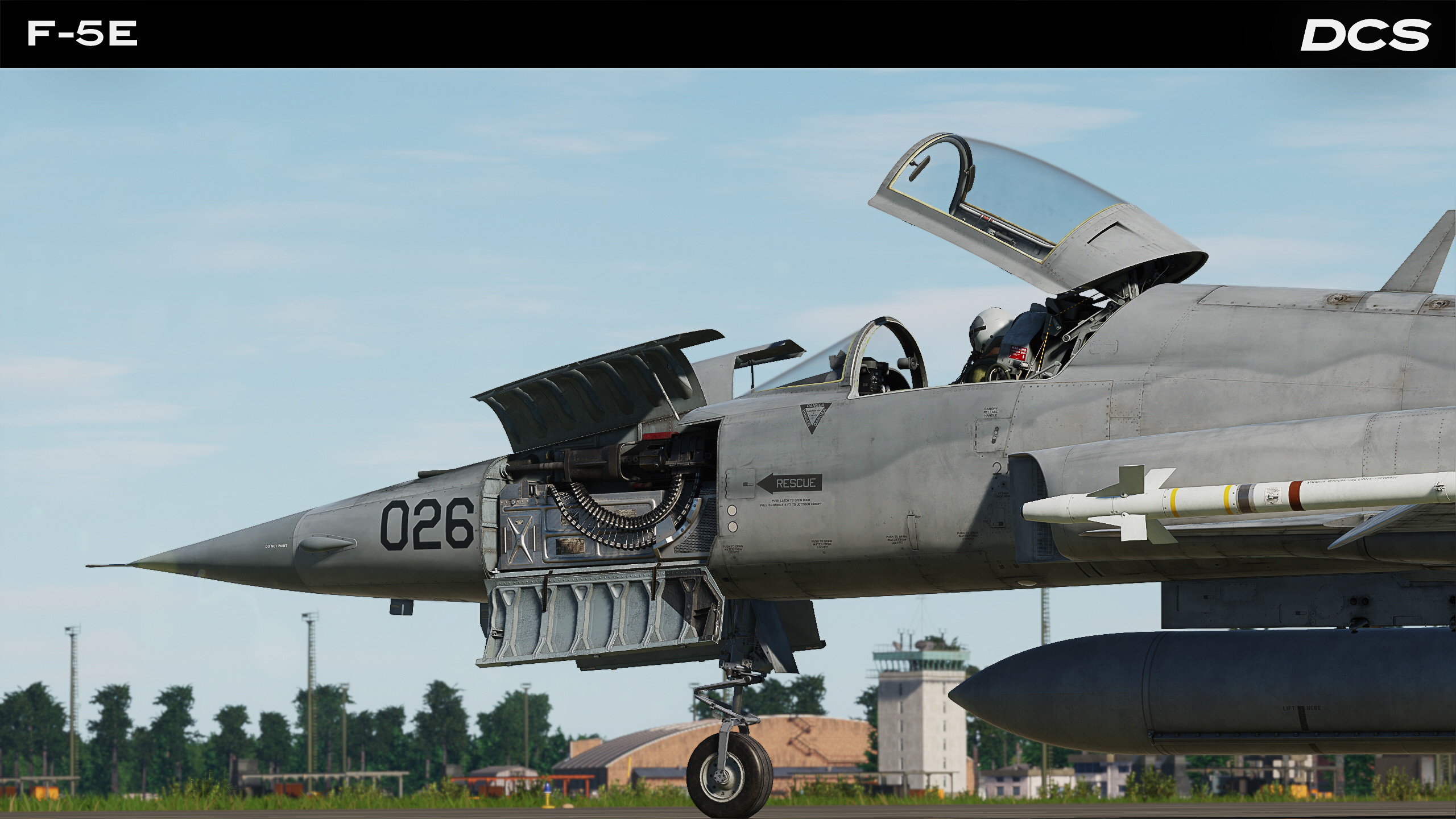
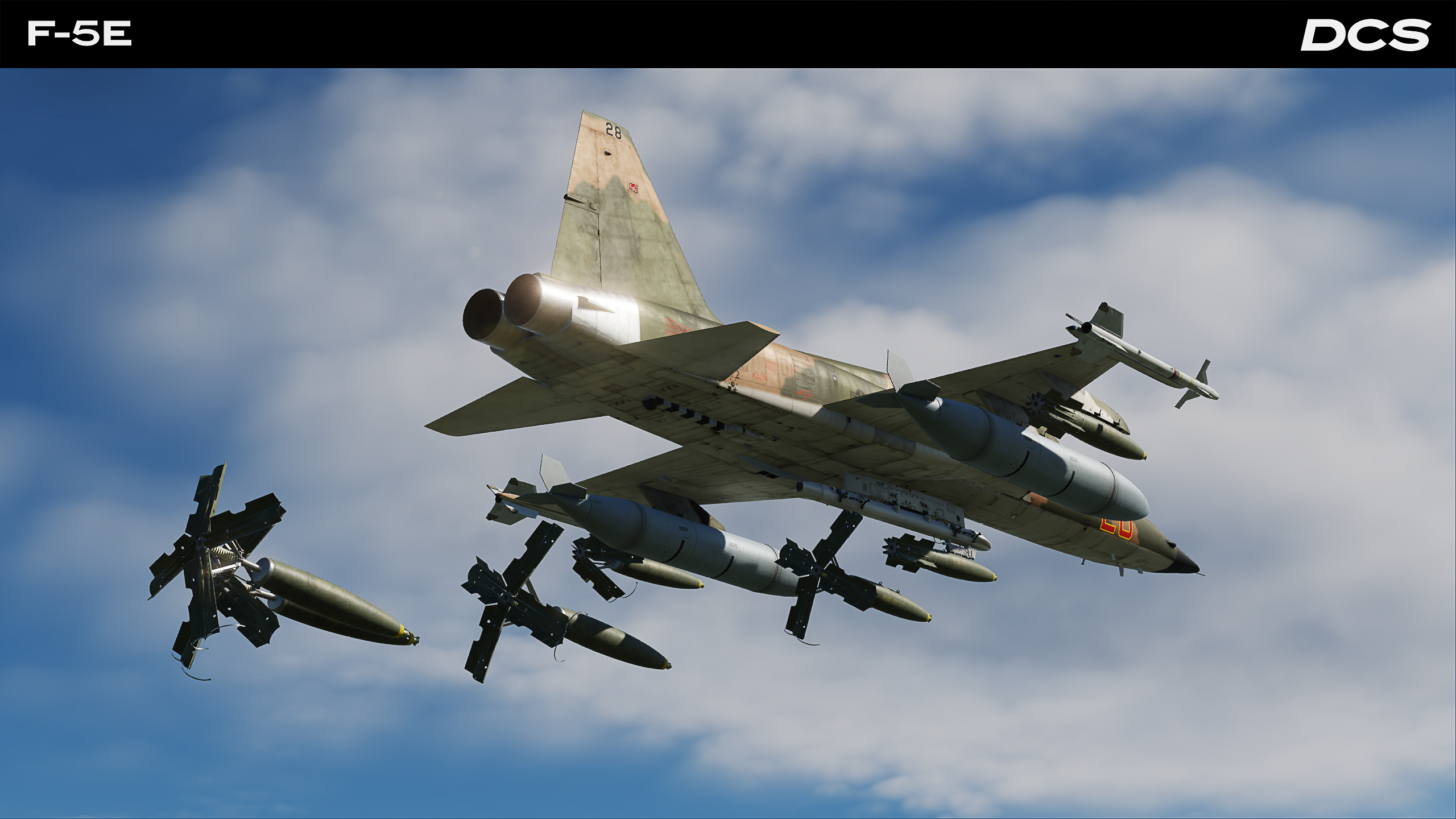
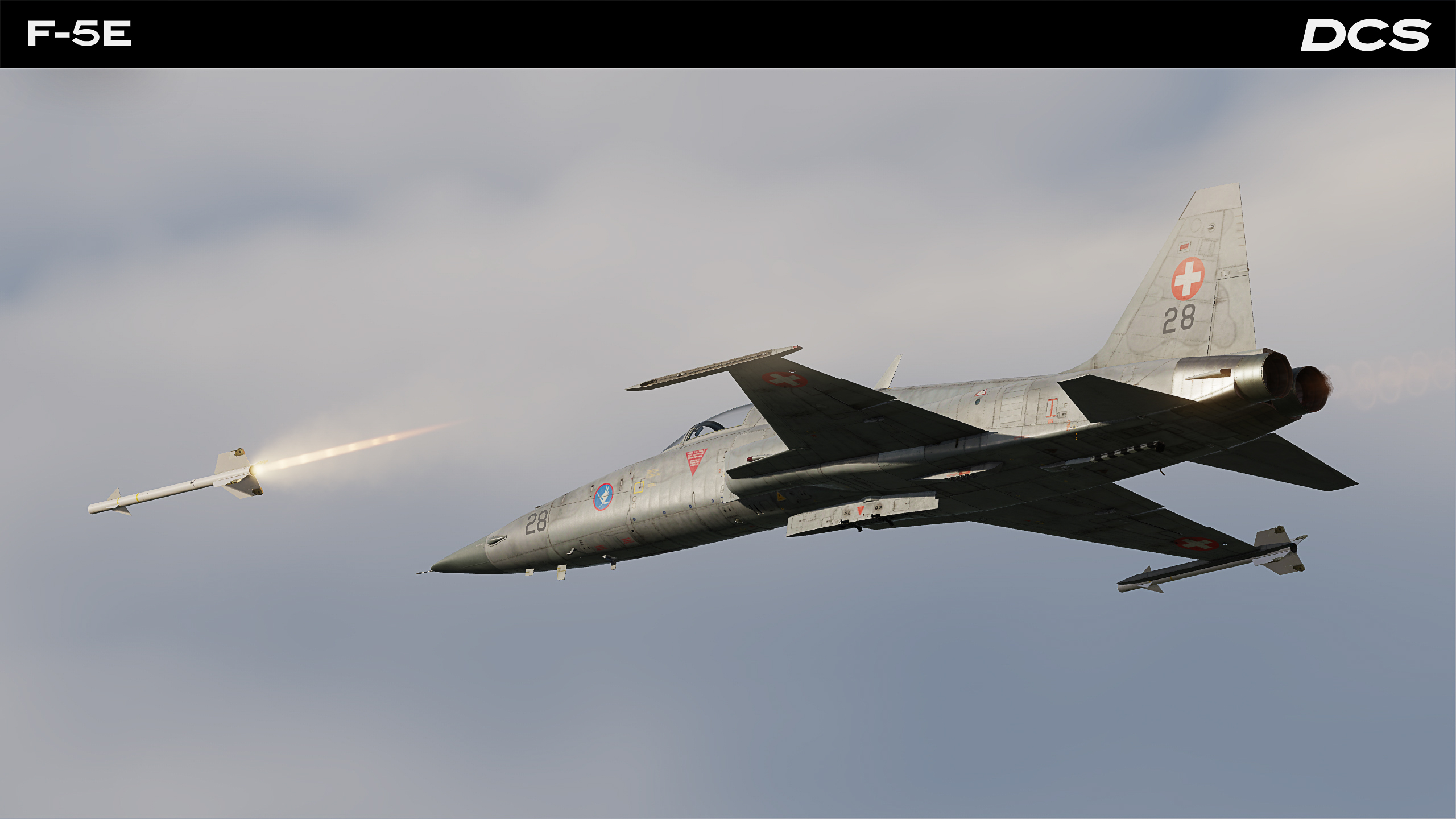
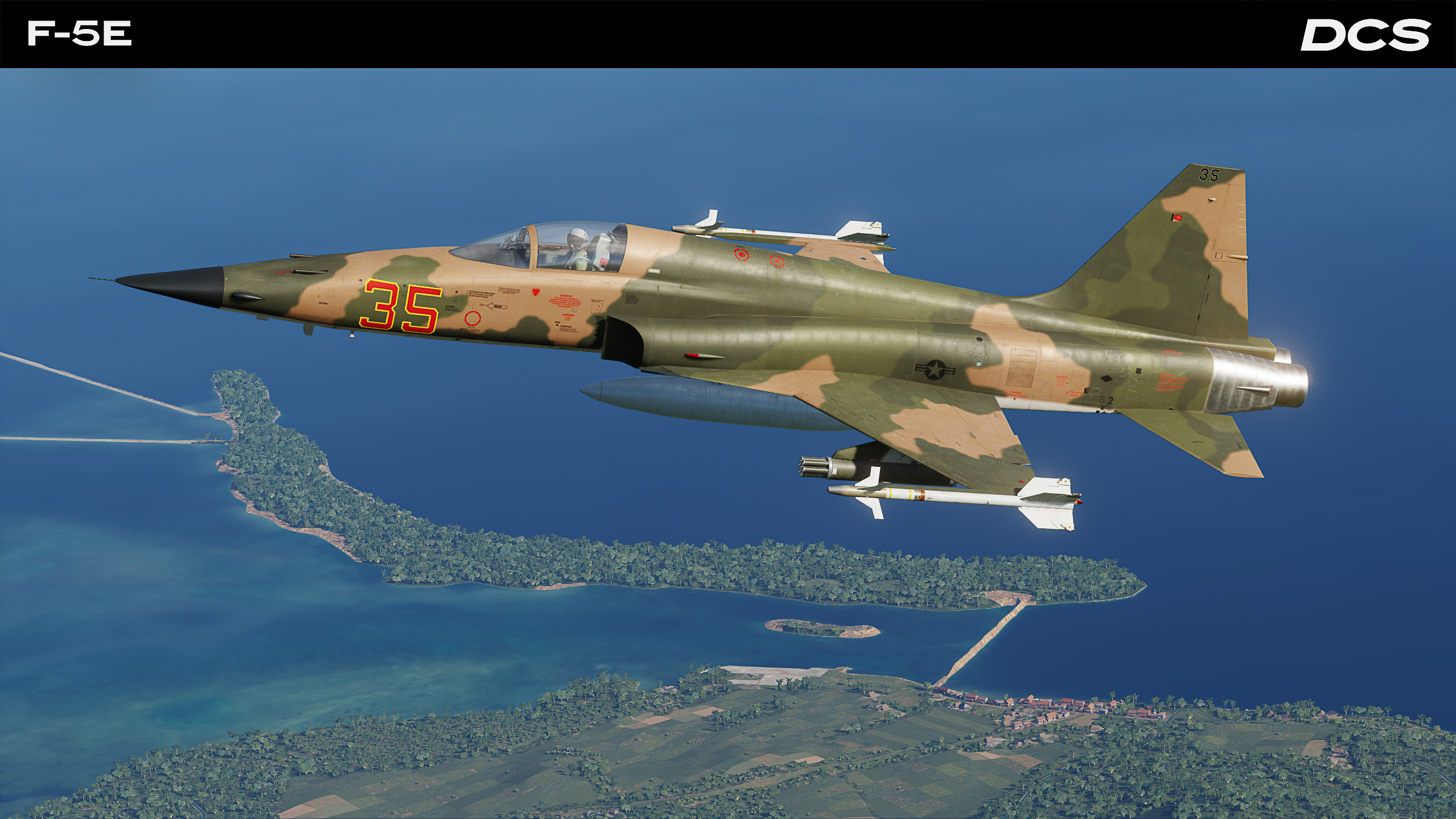
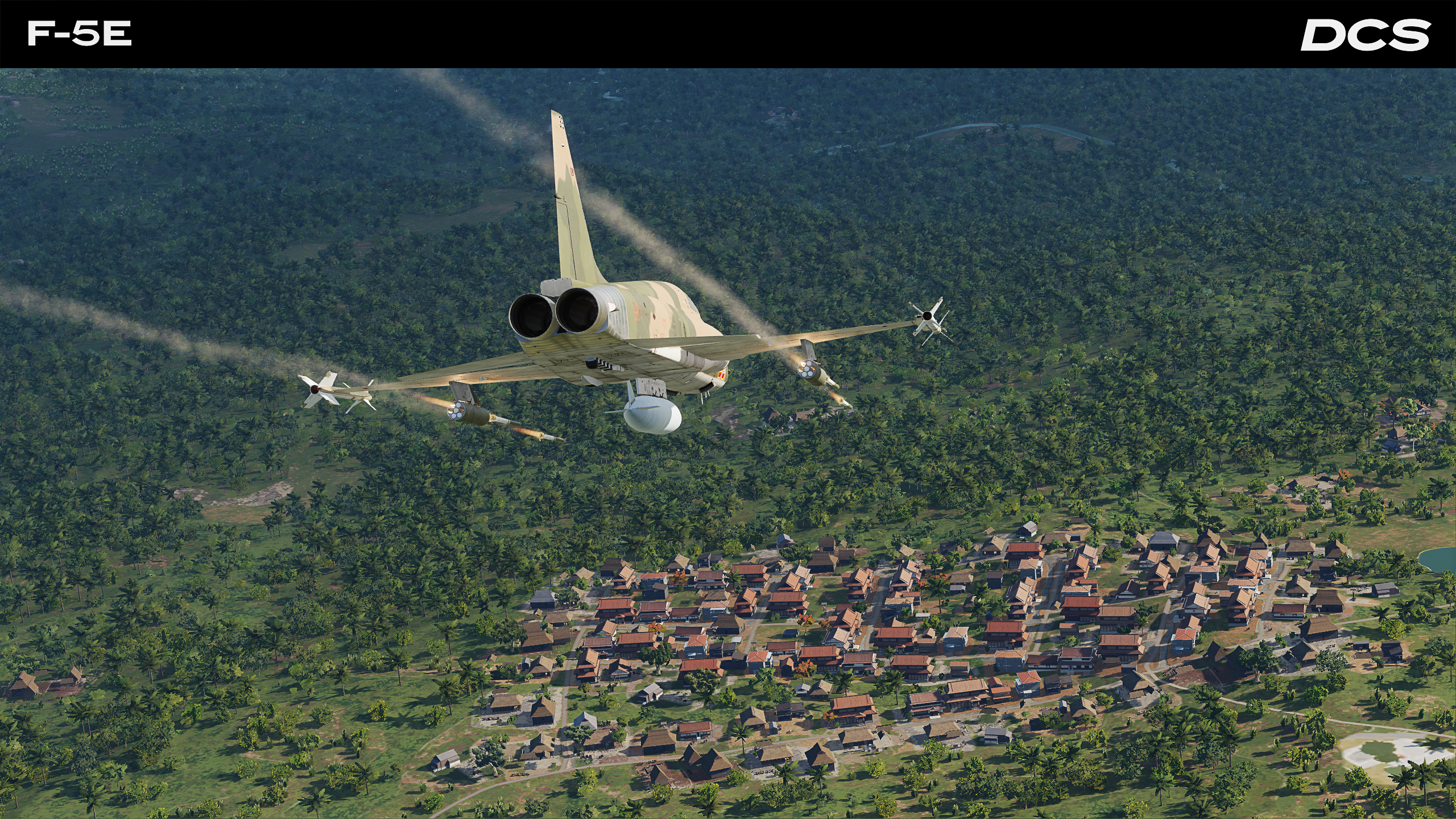
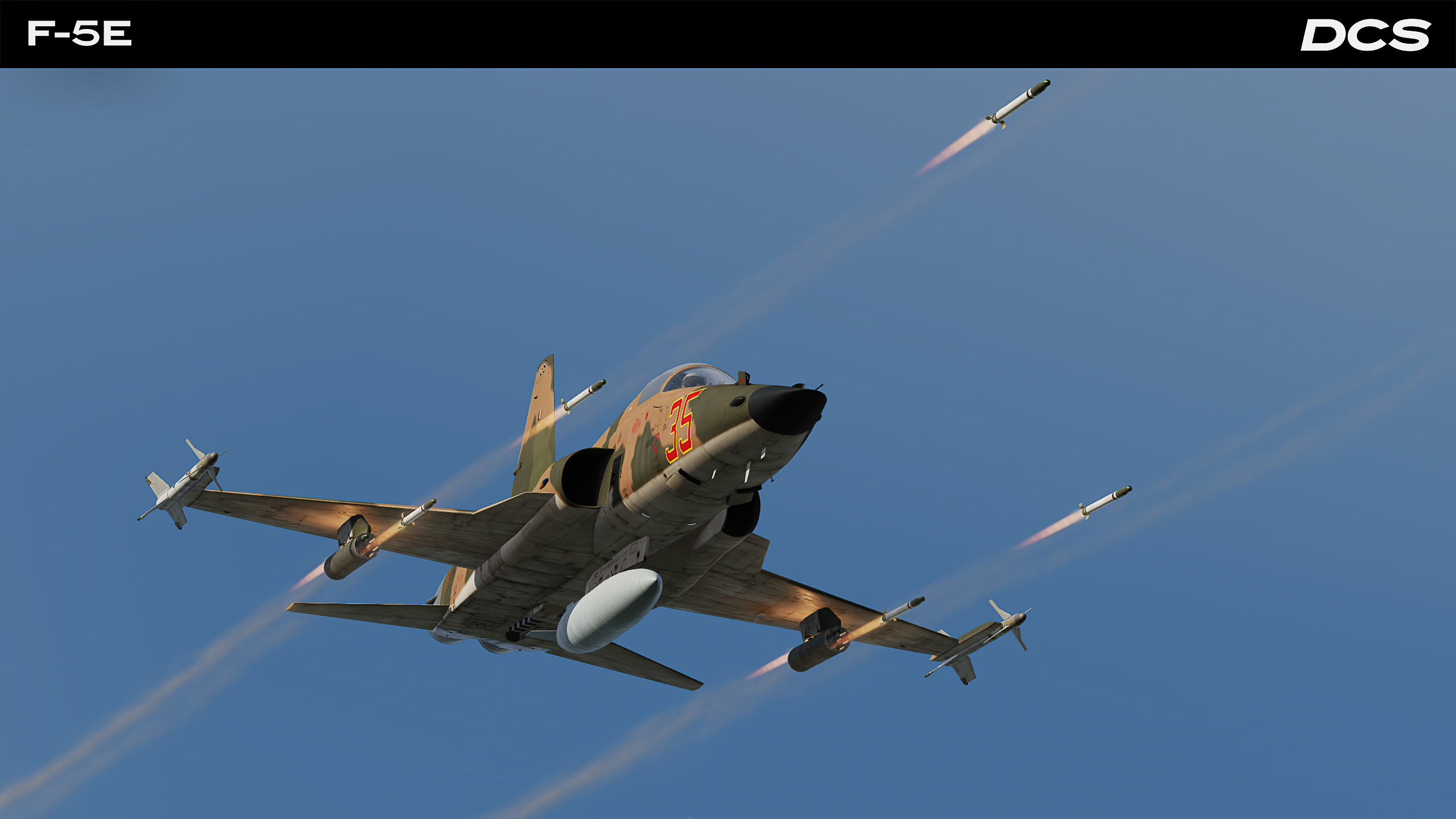
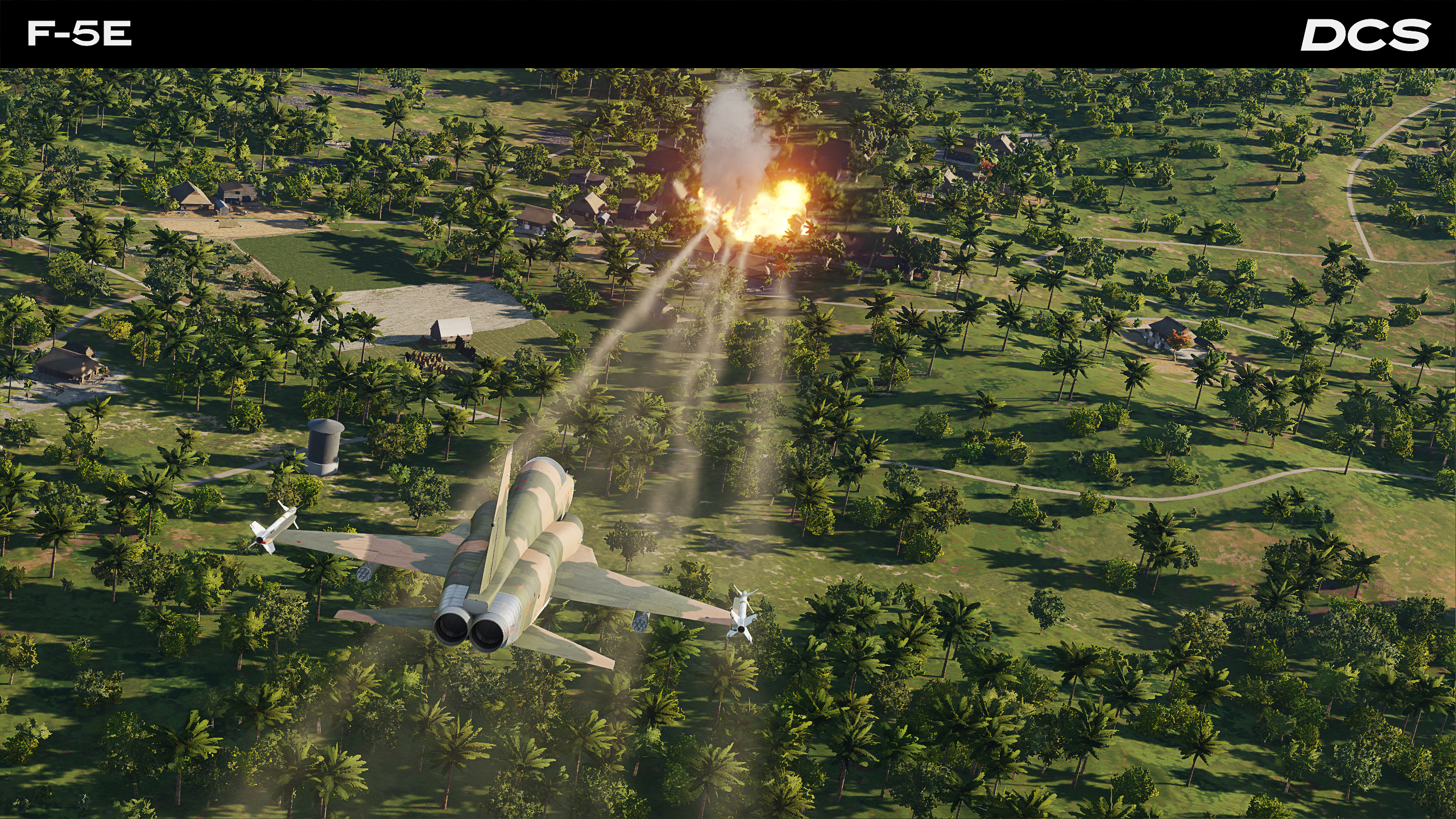
L’F-5E è stato sviluppato negli Stati Uniti all’inizio degli anni ’70 come versione migliorata dell’F-5A. Questo eccezionale caccia leggero multiruolo è stato inizialmente progettato come un progetto finanziato privatamente. I ruoli di combattimento dell’F-5E includono sia missioni aria-aria che attacchi aria-terra non guidati. Negli Stati Uniti si è distinto anche come aereo avversario nei combattimenti simulati. Grazie alla sua flessibilità operativa, facilità d’uso e costi ridotti, l’F-5E continua a servire forze aeree come quelle di Iran, Svizzera e altri paesi.
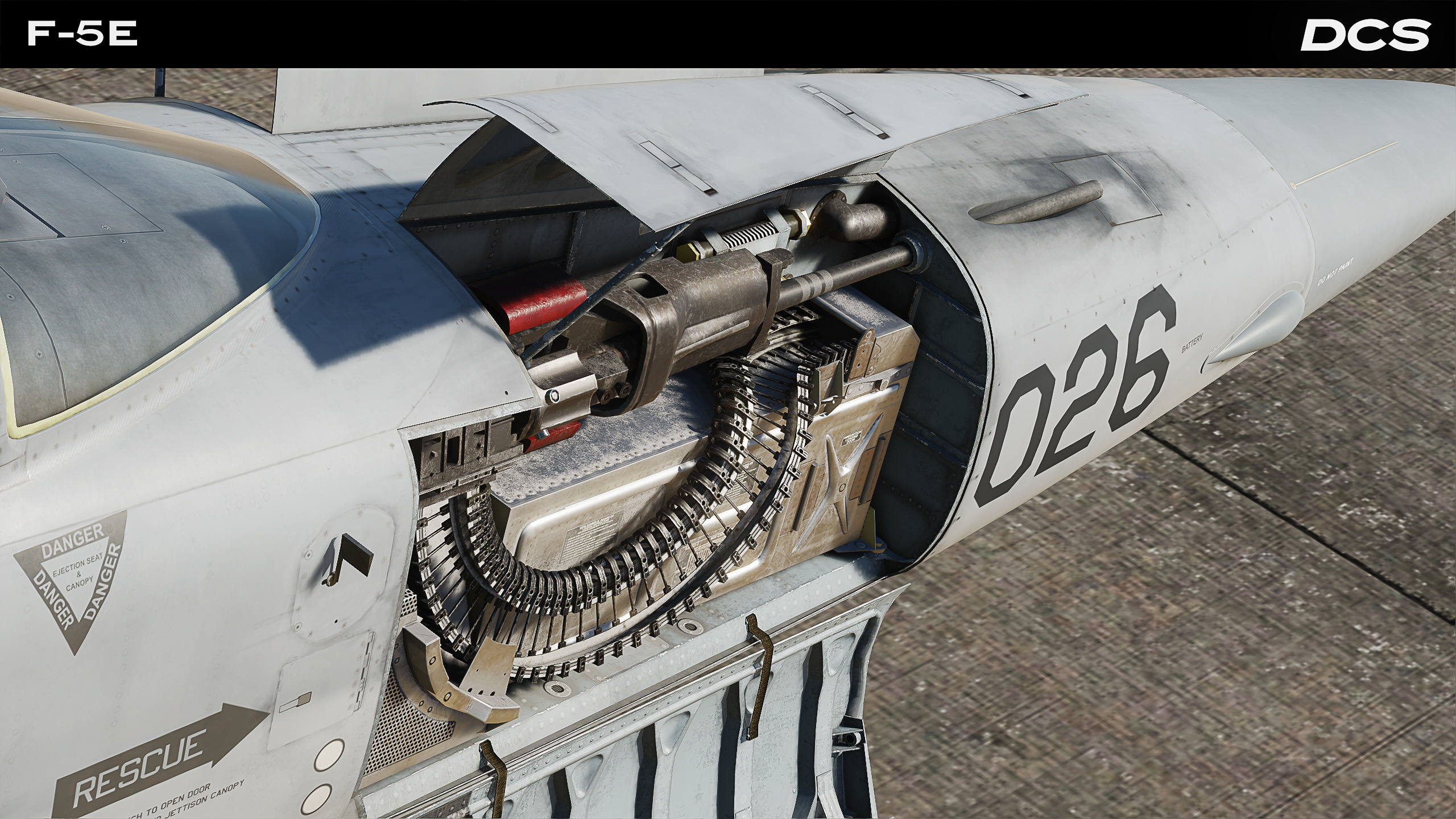
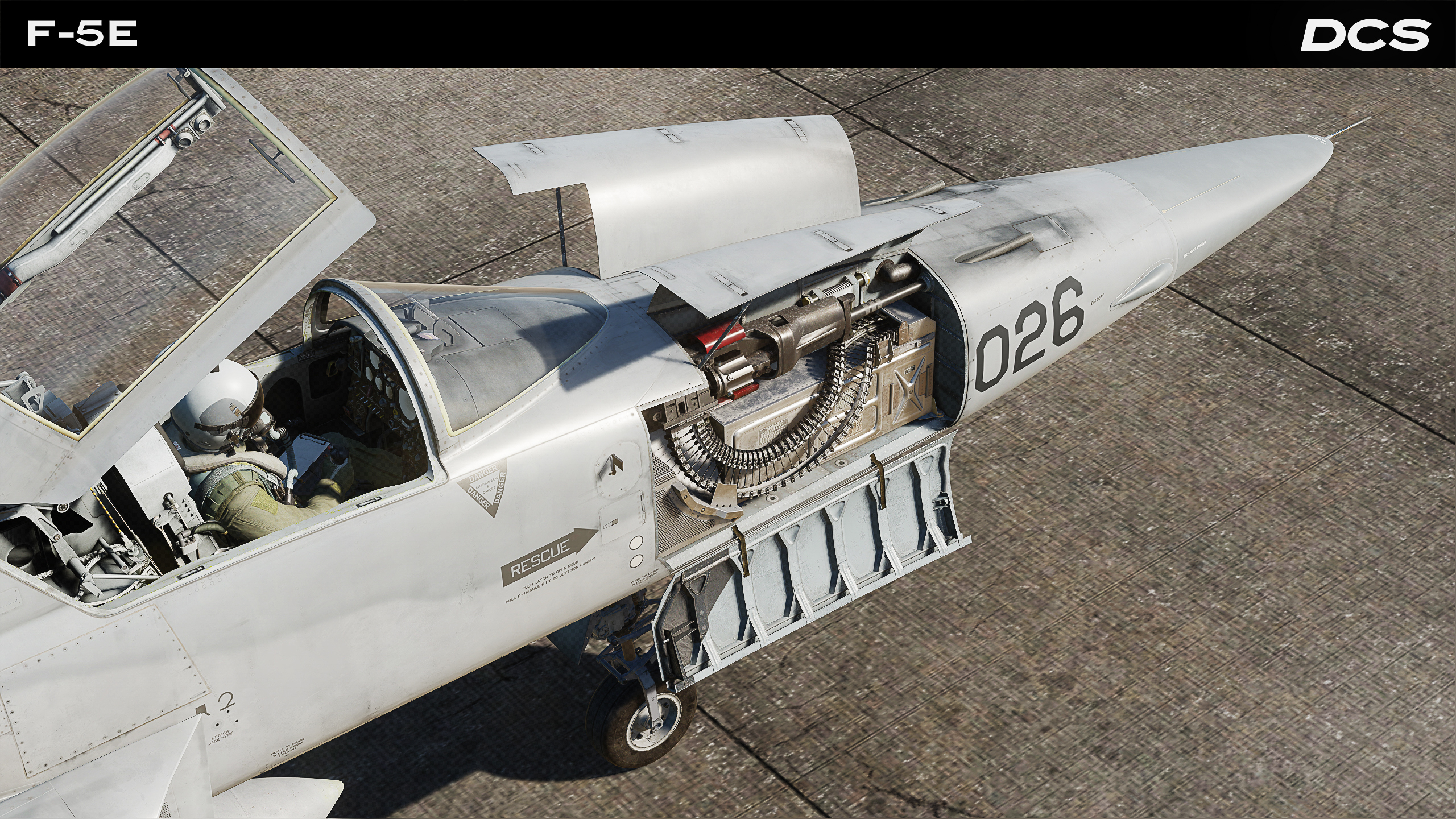
L’F-5E è armato con due cannoni M39-A3 da 20 mm, ognuno con 280 colpi. I cannoni sono posizionati nella sezione anteriore e sono dotati di deflettori che dirigono i gas caldi lontano dalle prese d’aria del motore. Ogni cannone ha una cadenza di tiro di 1.500-1.700 colpi al minuto.
Le estremità delle ali integrano rotaie di lancio capaci di sparare missili a guida infrarossa AIM-9.
Cinque punti di aggancio (un pilone centrale e quattro piloni sotto le ali) consentono il trasporto di bombe, munizioni a grappolo e razzi. Per aumentare il raggio d’azione, è possibile attaccare serbatoi esterni a tre punti predisposti (un pilone centrale e due piloni interni). In combattimento, manovrabilità e velocità possono essere massimizzate sganciando tutti i carichi esterni.
Il DCS: F-5E è un velivolo facile da apprendere, che aggiunge un’esperienza di gioco coinvolgente per il giocatore singolo ed è un’ottima scelta per i server multiplayer dell’era della Guerra Fredda.
Flaming Cliffs (FC) 2024 is the next chapter of the popular Flaming Cliffs series that features an expanded list of aircraft: The F-5E FC, F-86F FC, and MiG-15bis FC. As with all FC aircraft, these additions are easy-to-learn, with less complex controls, and includes their DCS Professional Flight Models. The more accessible FC-style concept allows new and existing players to quickly jump into the action and have fun at an exceptionally advantageous price point.
Flaming Cliffs 2024 provides an unrivalled sense of flight that only DCS can offer. With impressive and highly realistic 3D modelling, powerful authentic weapons and ease of use, Flaming Cliffs is specifically designed for those of you looking for an unbeatable combat experience, without having to learn all the systems and a very large number of cockpit inputs typical of the full fidelity aircraft in DCS.
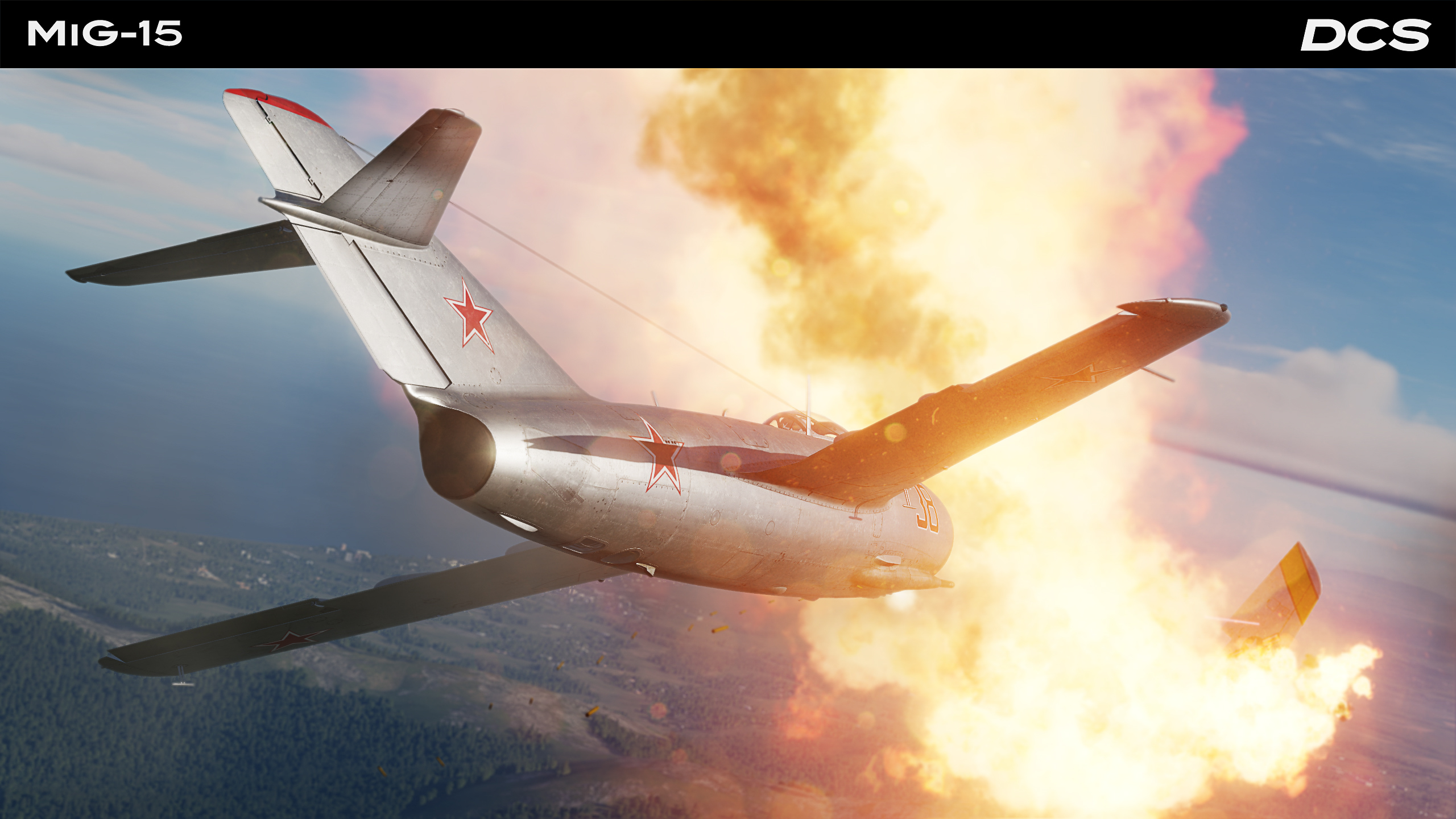
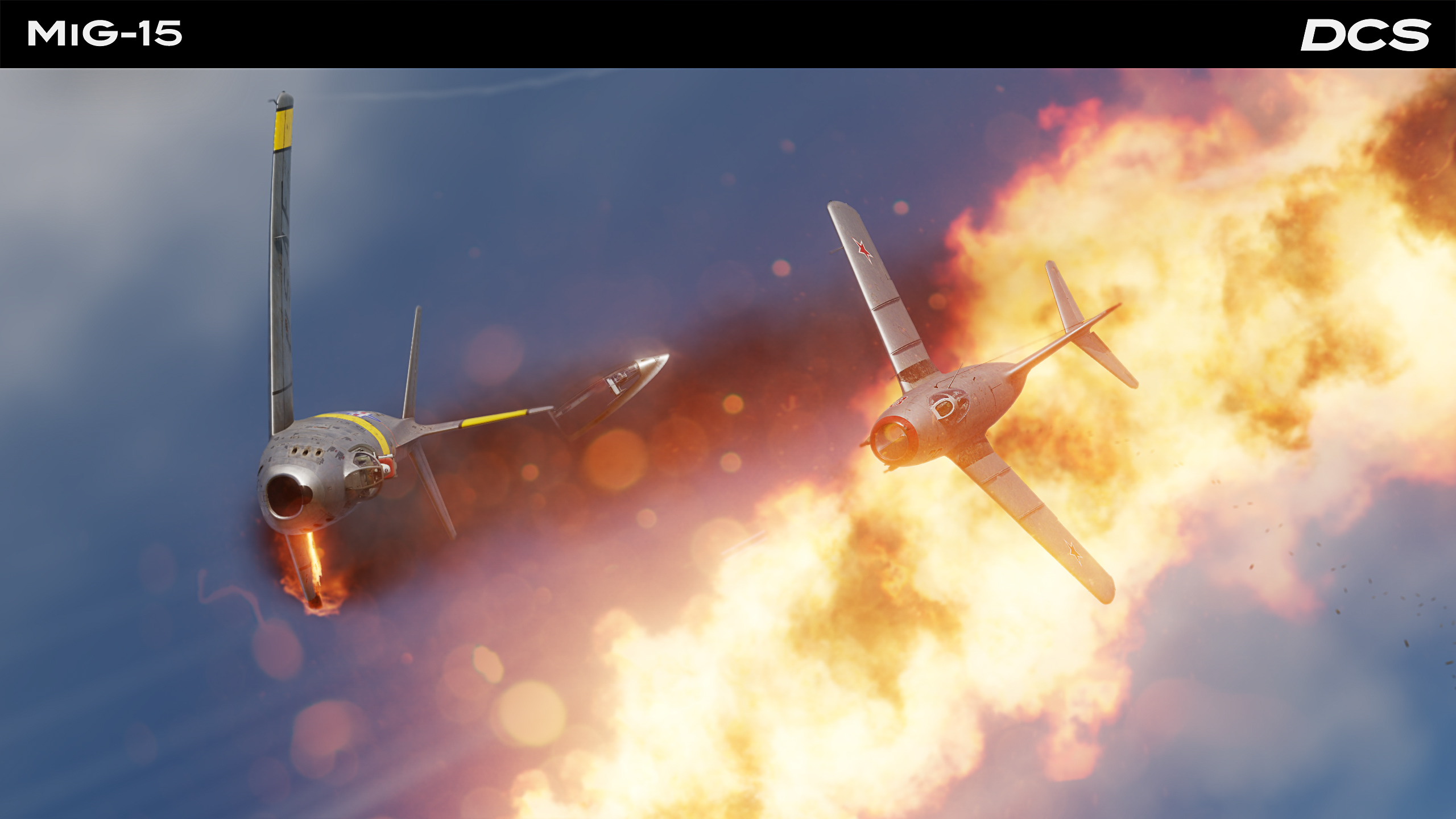
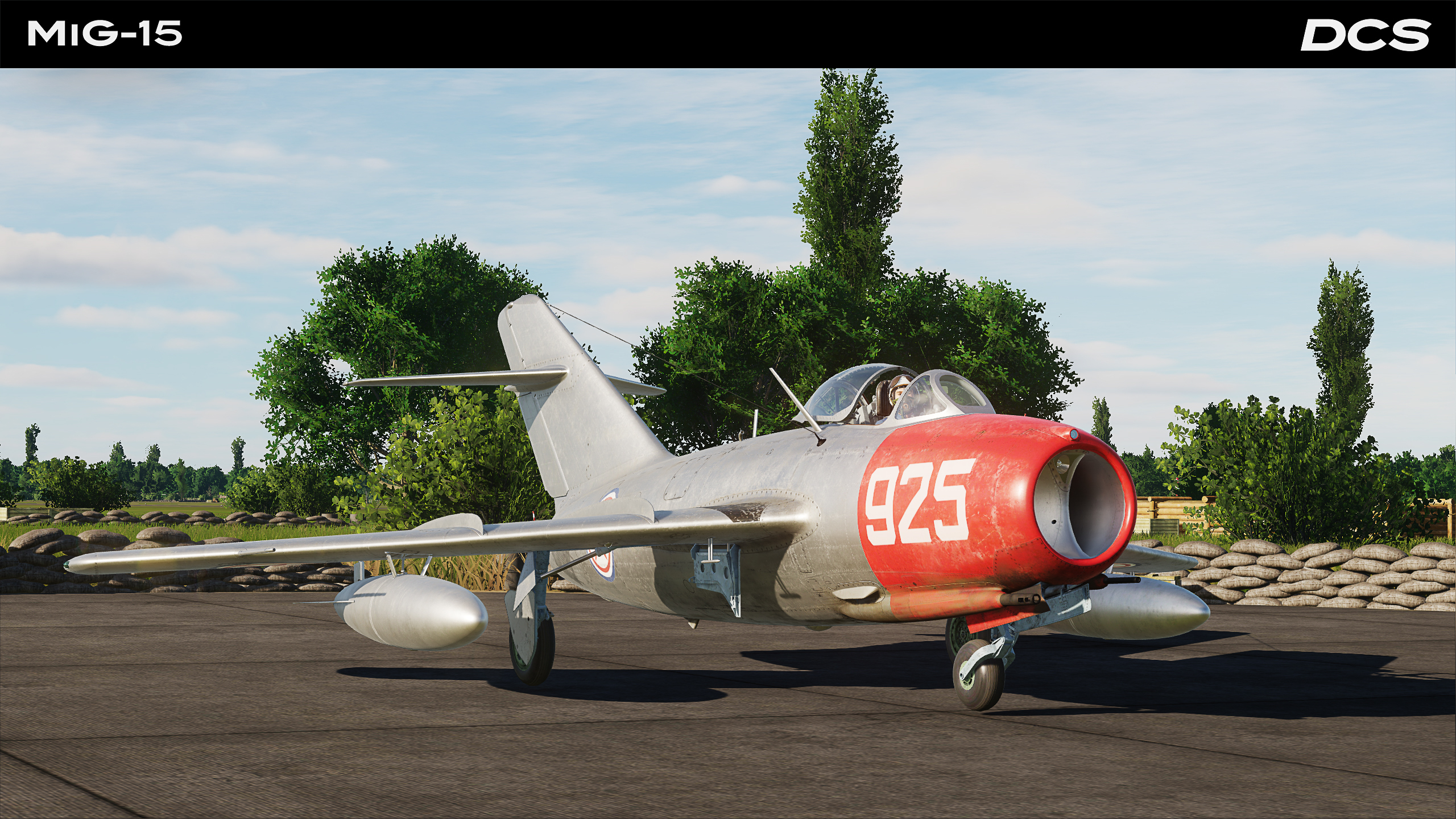
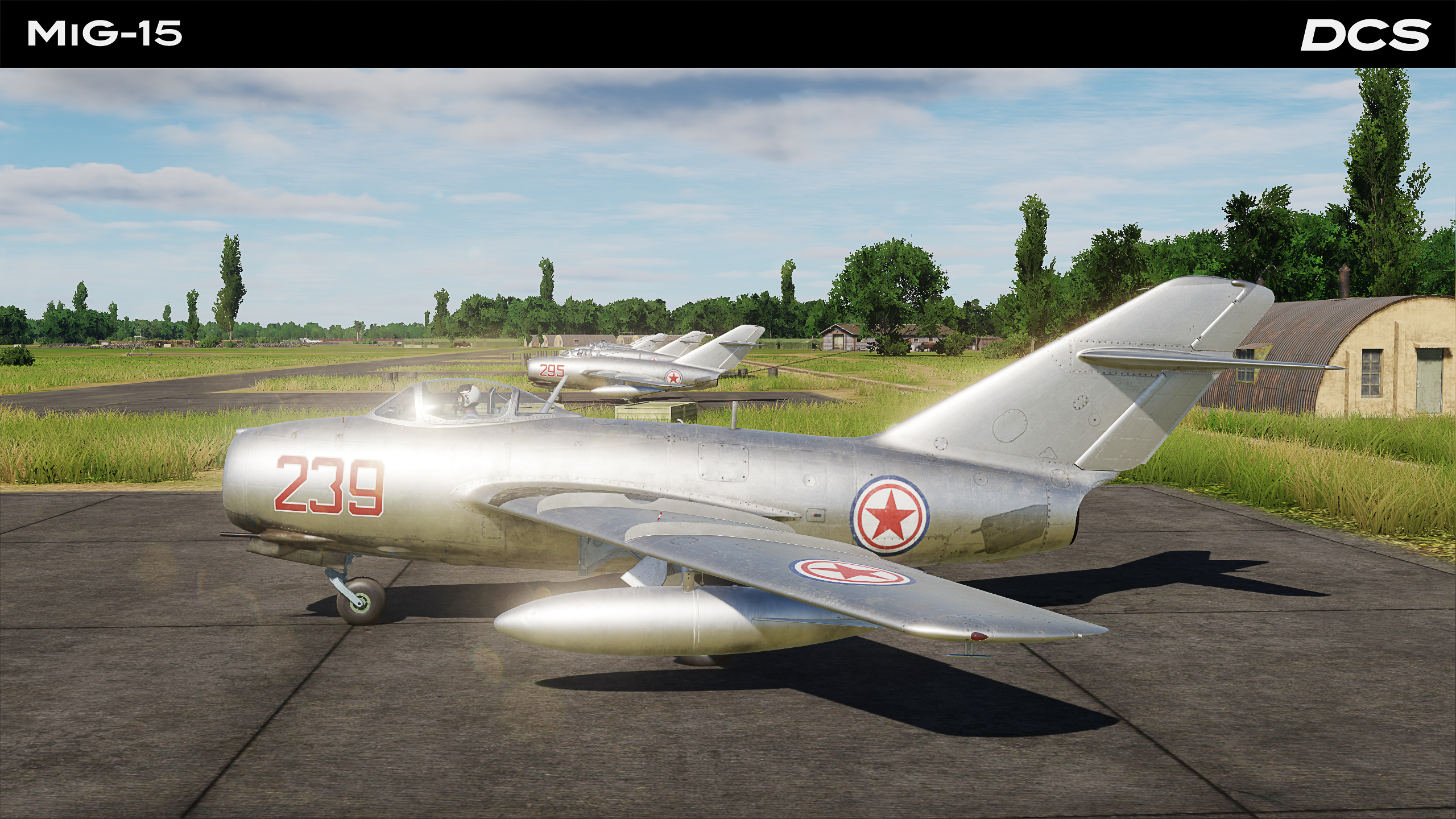
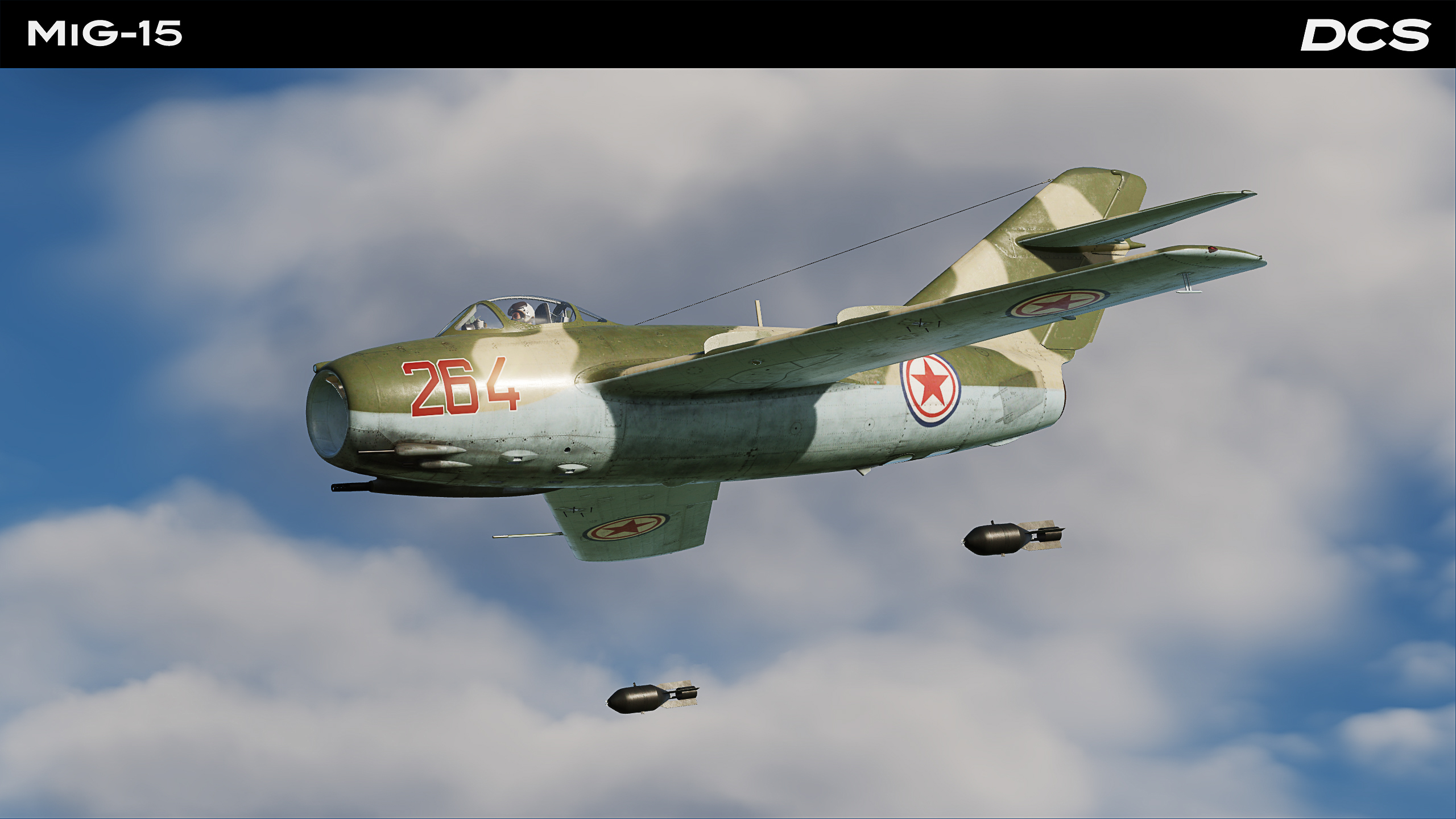
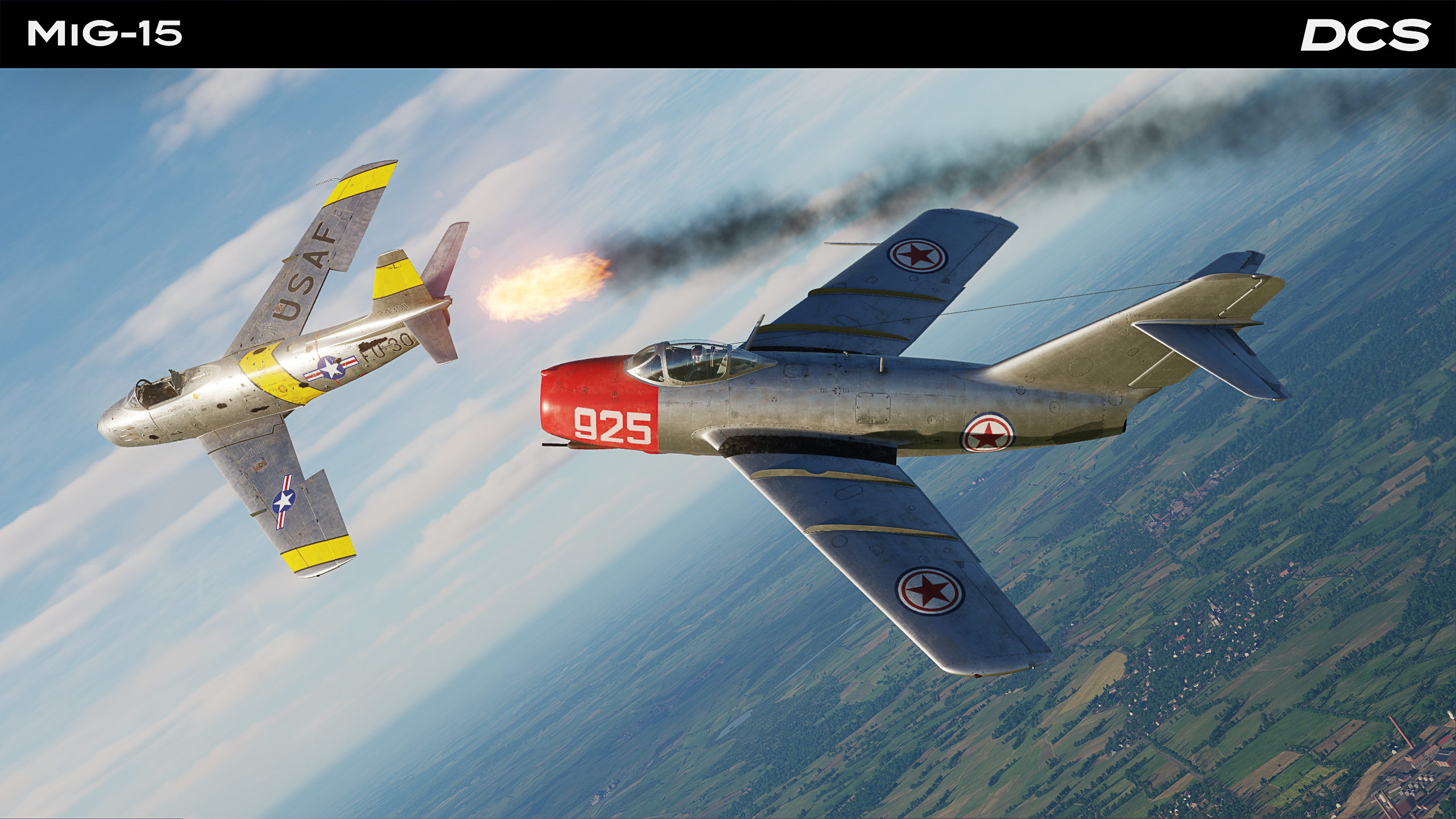
MiG-15bis Flaming Cliffs is an easy-to-learn aircraft module that is based on the full-fidelity DCS: MiG-15bis. A more accessible Flaming Cliffs-style control concept allows new players to quickly jump into the plane and have fun. At the same time, the full-fidelity physics of the original model is preserved, providing the same professional-level flight characteristics and sense of flight. This version of the MiG-15bis is available both as part of bundle DCS: Flaming Cliffs 2024 and as a dedicated module purchase.
In the 50s of the last century, the MiG-15 was a highly-capable clear-weather interceptor and light ground attack aircraft that saw much action in Korean war. It was the first swept-wing jet fighter to come out of the Mikoyan-Gurevich stable in the late 1940s. MiG-15 maneuverability and high transonic speed made it superior to all UN aircraft except the F-86 Sabre.
A powerful 37mm autocannon in the lower right fuselage (40 rounds total) and 2 × 23mm autocannon in the lower left fuselage (80 rounds per gun, 160 rounds total) give the MiG-15bis tremendous punch. In the secondary light ground attack role, aircraft can also carry 100 kg bombs on its twin underwing hardpoints.
F-5E Flaming Cliffs is an easy-to-learn aircraft module that is based on the full-fidelity DCS: F-5E. A more accessible Flaming Cliffs-style control concept allows new players to quickly jump into the F-5E and have fun. At the same time, the full-fidelity physics of the original model is preserved, providing the same professional-level flight characteristics and sense of flight. This version of the F-5E FC is available both as part of bundle DCS: Flaming Cliffs 2024 and as a dedicated module purchase.
The F-5E is a light, tactical fighter based on the F-5A in 1972. A distinctive feature of the F-5E is its improved aerodynamics that include leading edge wing extensions and automatic control of high lift devices that improved the maneuverability of the aircraft. The sighting system was also improved to include the AN/APQ-159 radar.
The aircraft has two built-in 20mm cannons and can carry two AIM-9 short range, infrared-guided air-to-air missiles and various air-to-ground, and unguided weapons.
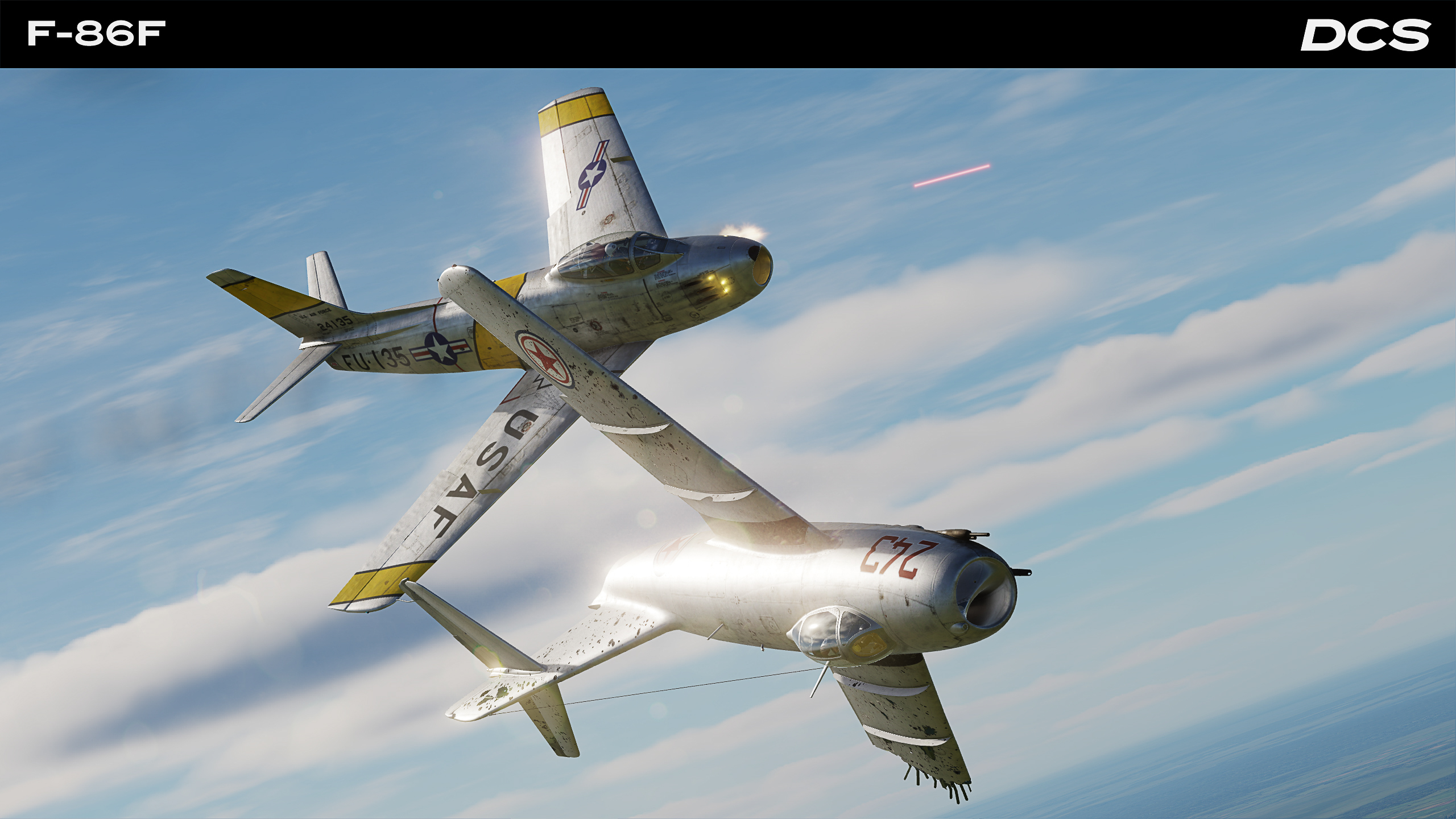
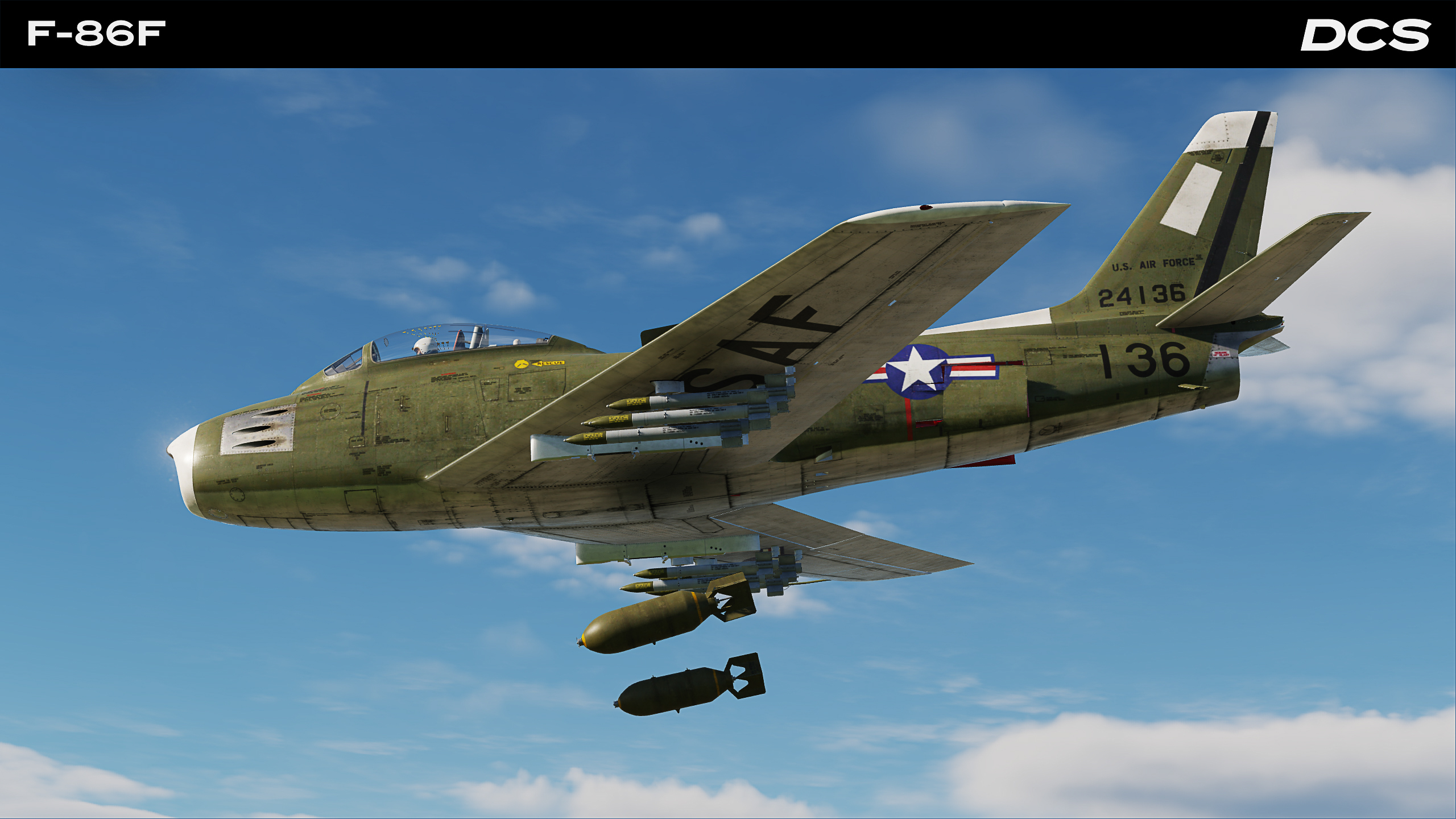
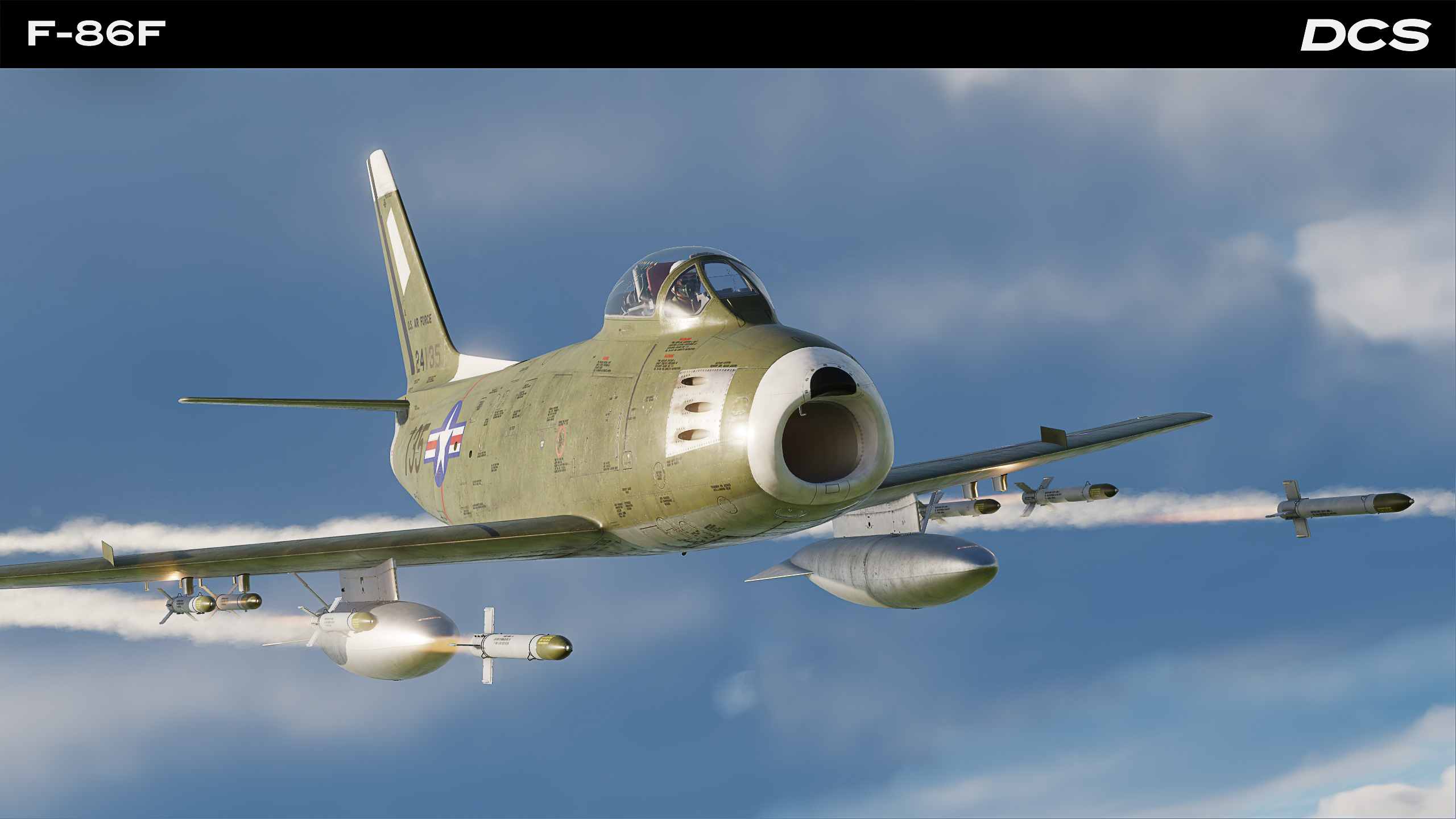
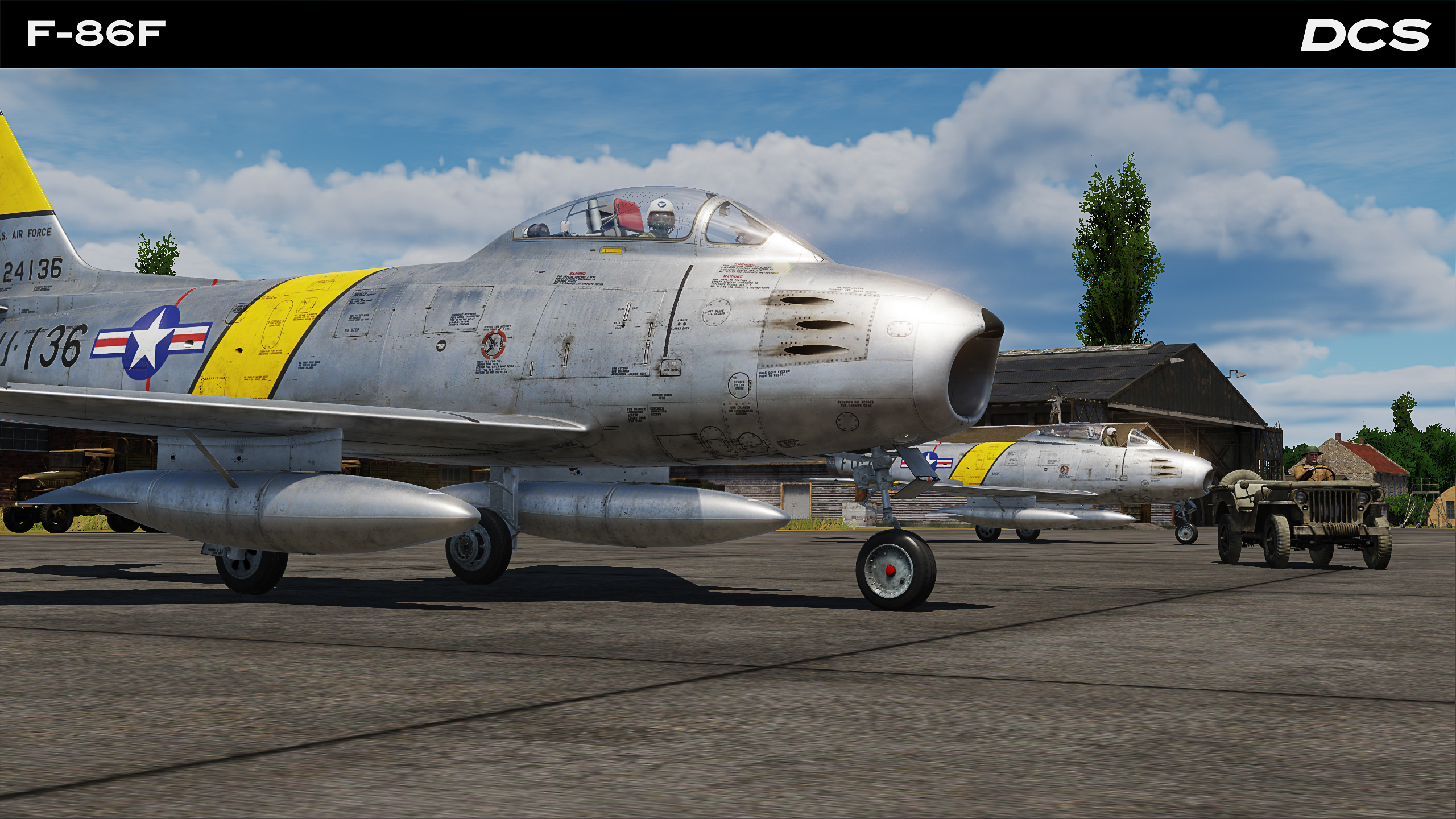
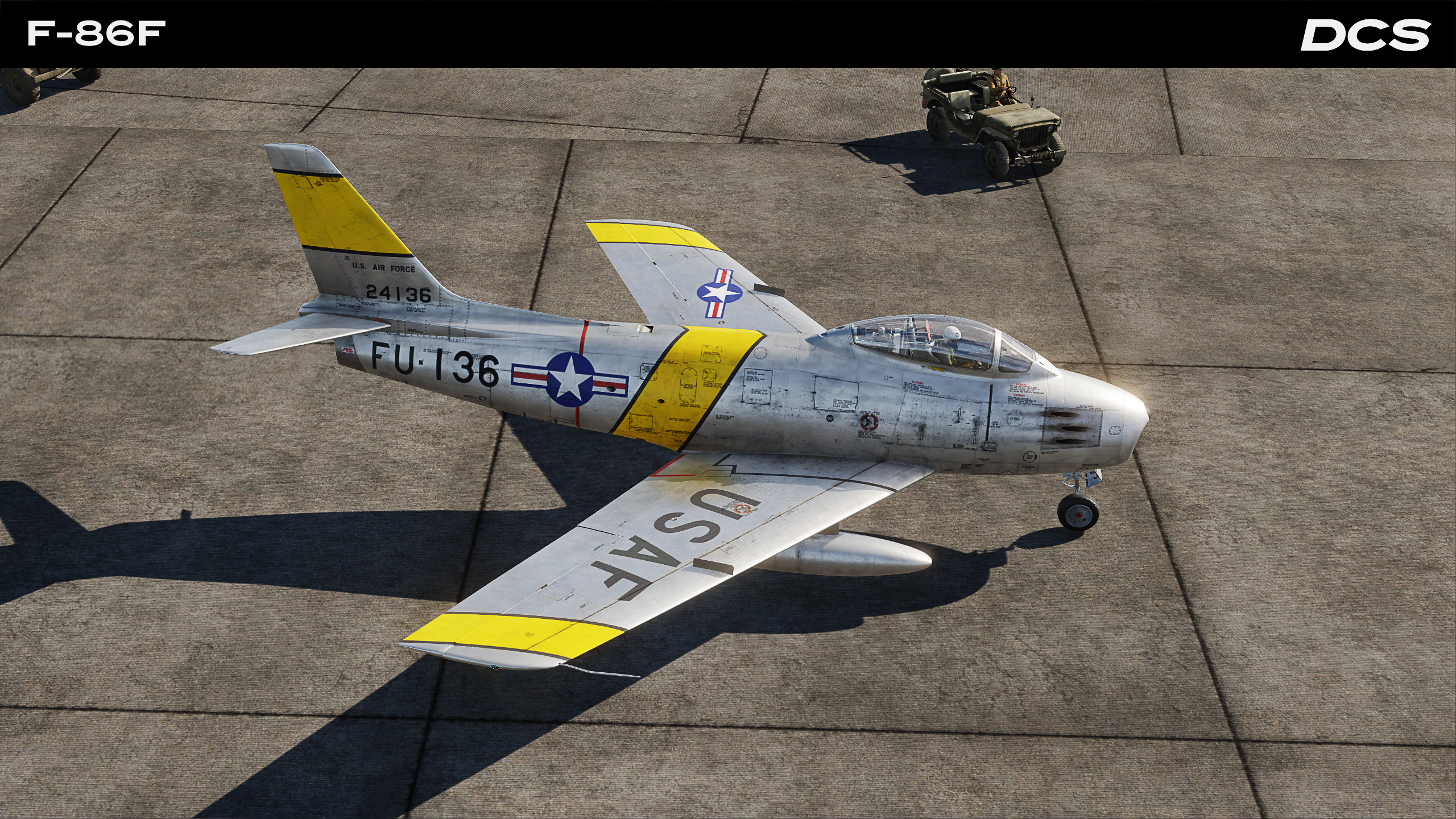
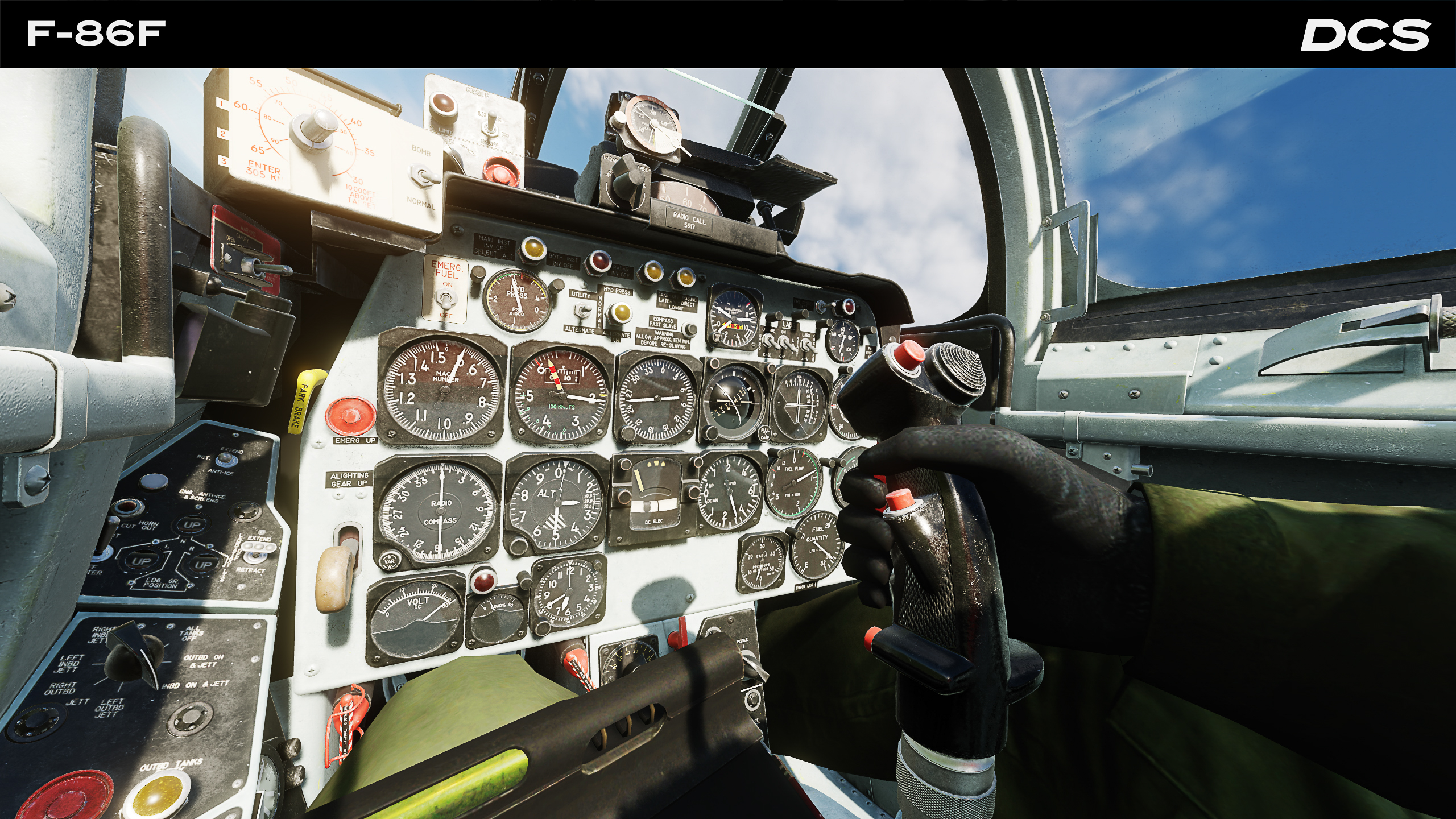
F-86F Flaming Cliffs is an easy-to-learn aircraft module that is based on the full-fidelity DCS: F-86F Sabre. A more accessible Flaming Cliffs-style control concept allows new players to quickly jump into the plane and have fun. At the same time, the full-fidelity physics of the original model is preserved, providing the same professional-level flight characteristics and sense of flight. This version of the F-86F is available both as part of bundle DCS: Flaming Cliffs 2024 and as a dedicated module purchase.
The North American F-86F Sabre is a day, clear weather, transonic fighter-interceptor with a secondary ground attack capability. Fighter is armed with six .50 in/12.7 mm Colt-Browning М3 machine guns, with 300 rounds per gun. It can also carry two AIM-9B Sidewinder missiles. For air-to-ground strikes the F-86 can deliver up to sixteen HVAR unguided rockets or pairs of M64 500lb or M117 750lb General Purpose bombs.
Powered by a single General Electric J47-GE-27 turbojet providing 5,910 lbs of thrust, the F-86F has a maximum speed of 595 knots at sea level, a rate of climb of 9,000 fpm to 49,600 feet and a combat radius of about 600 nautical miles.
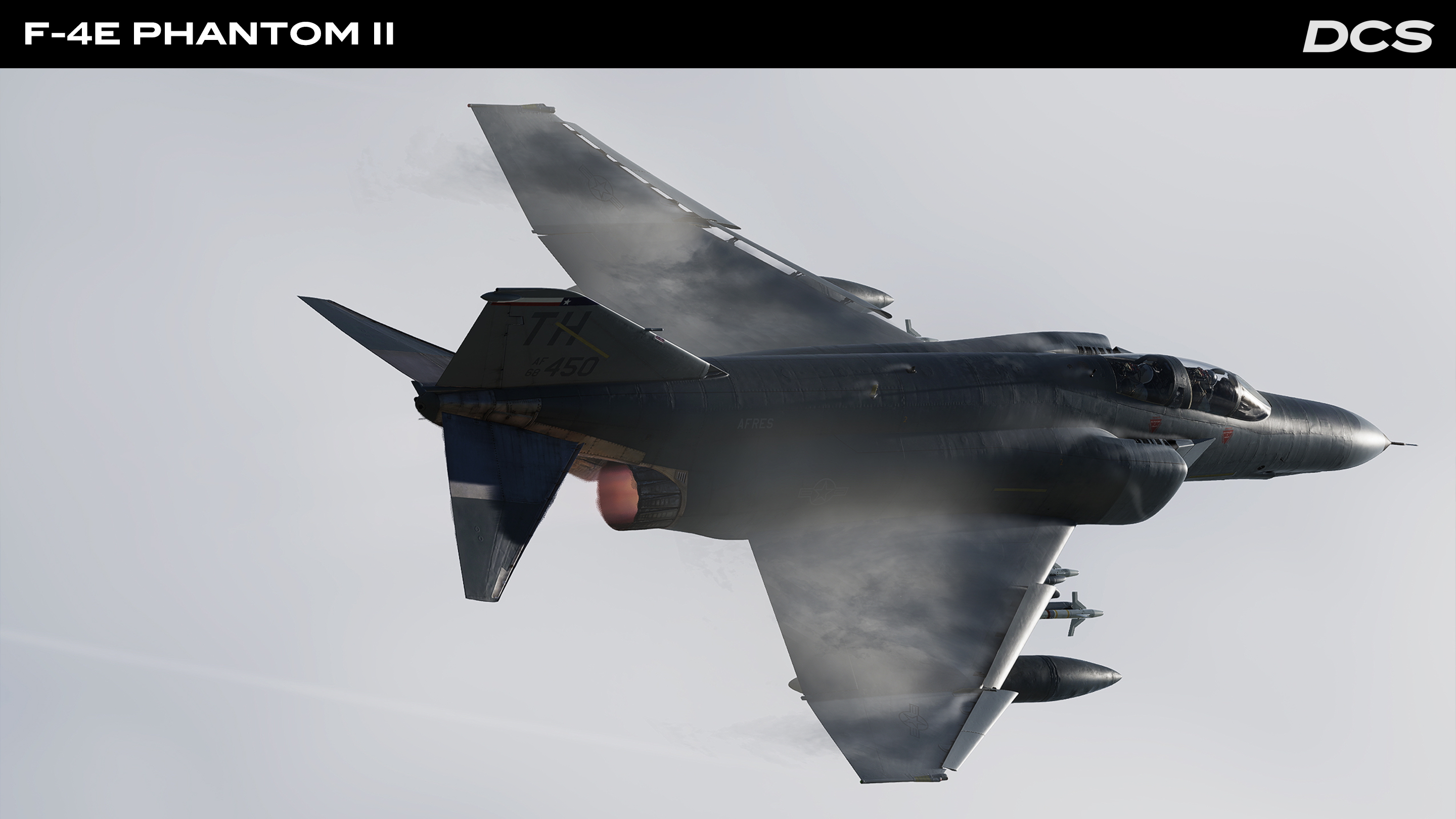
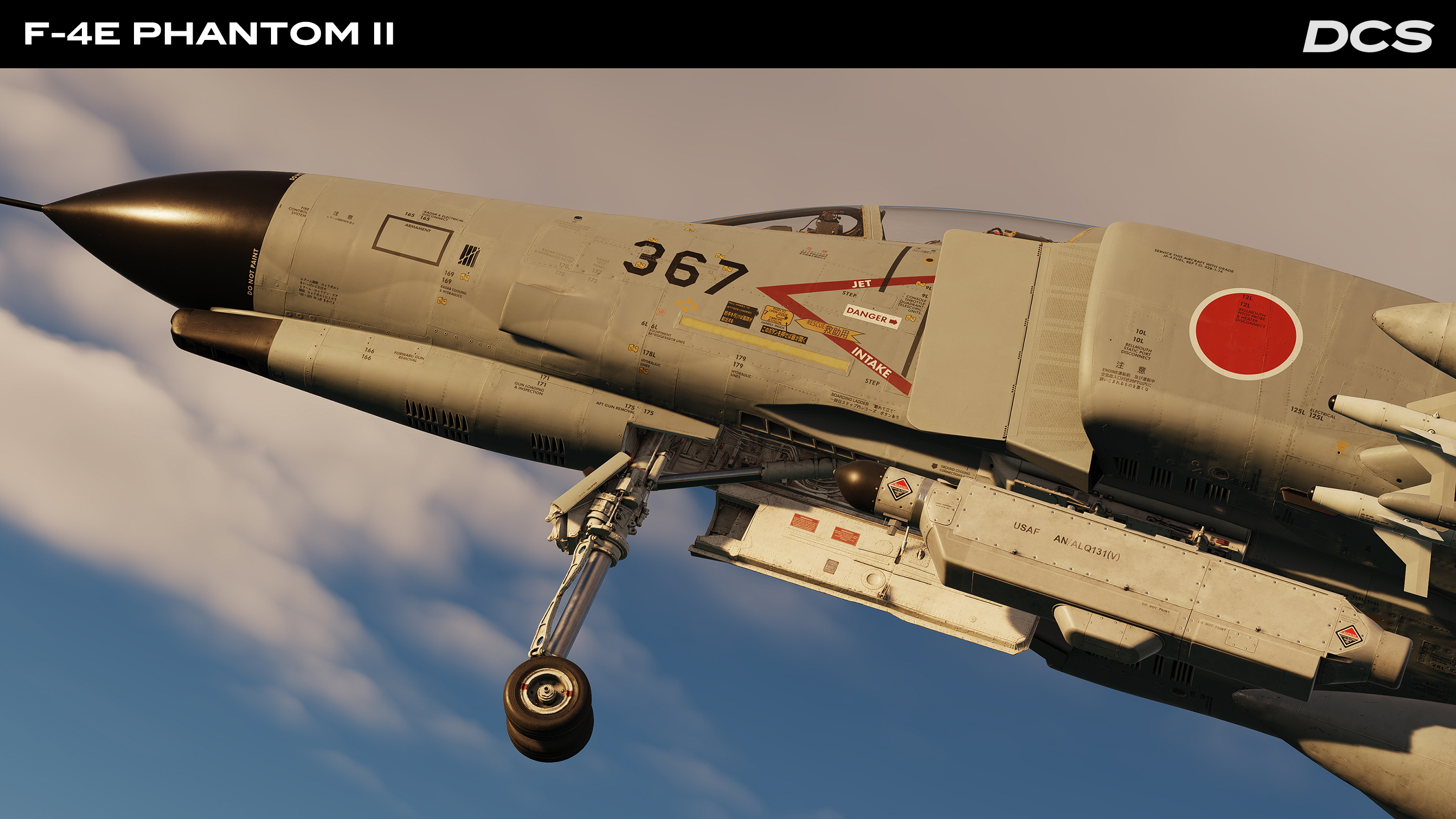
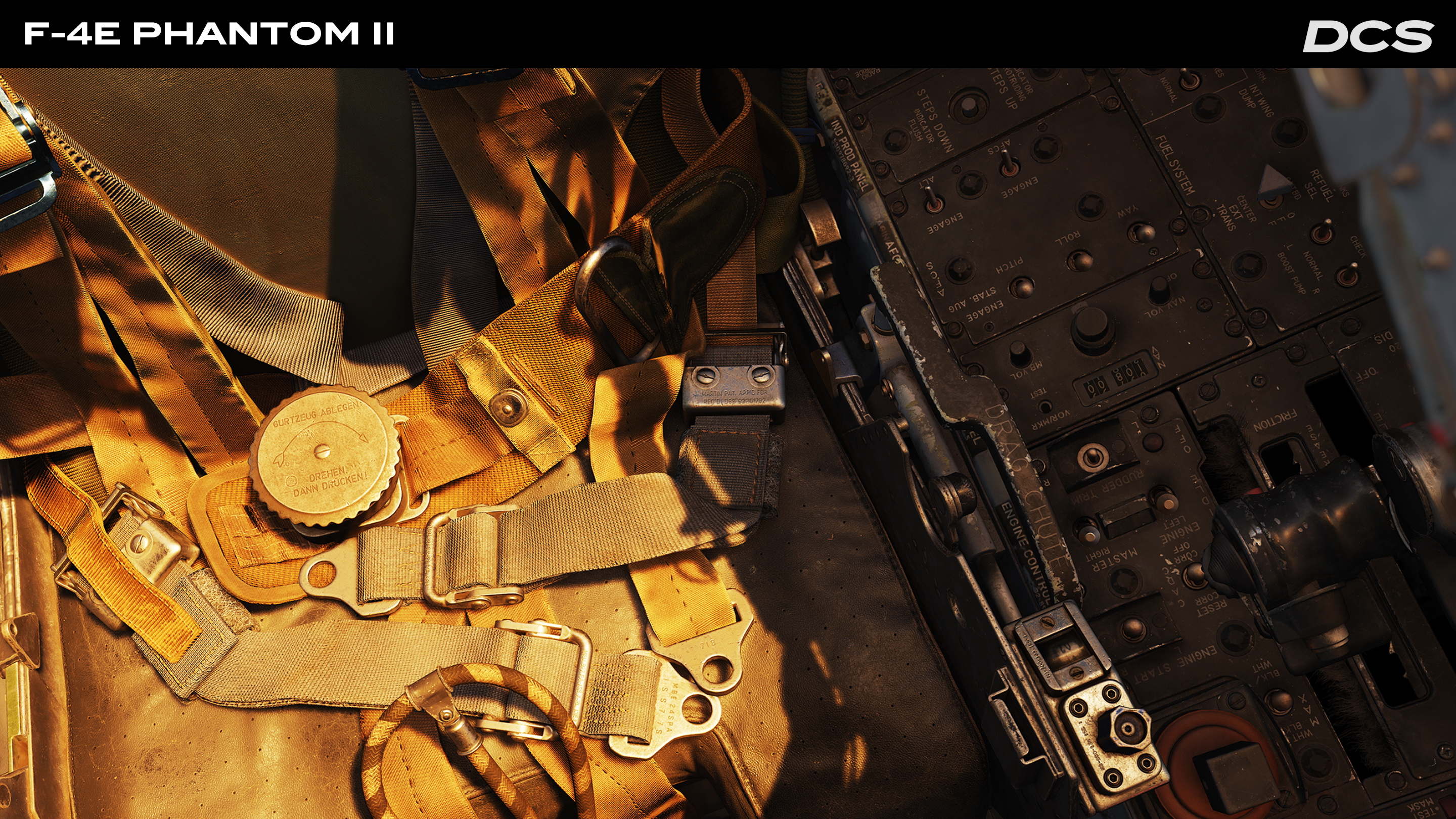
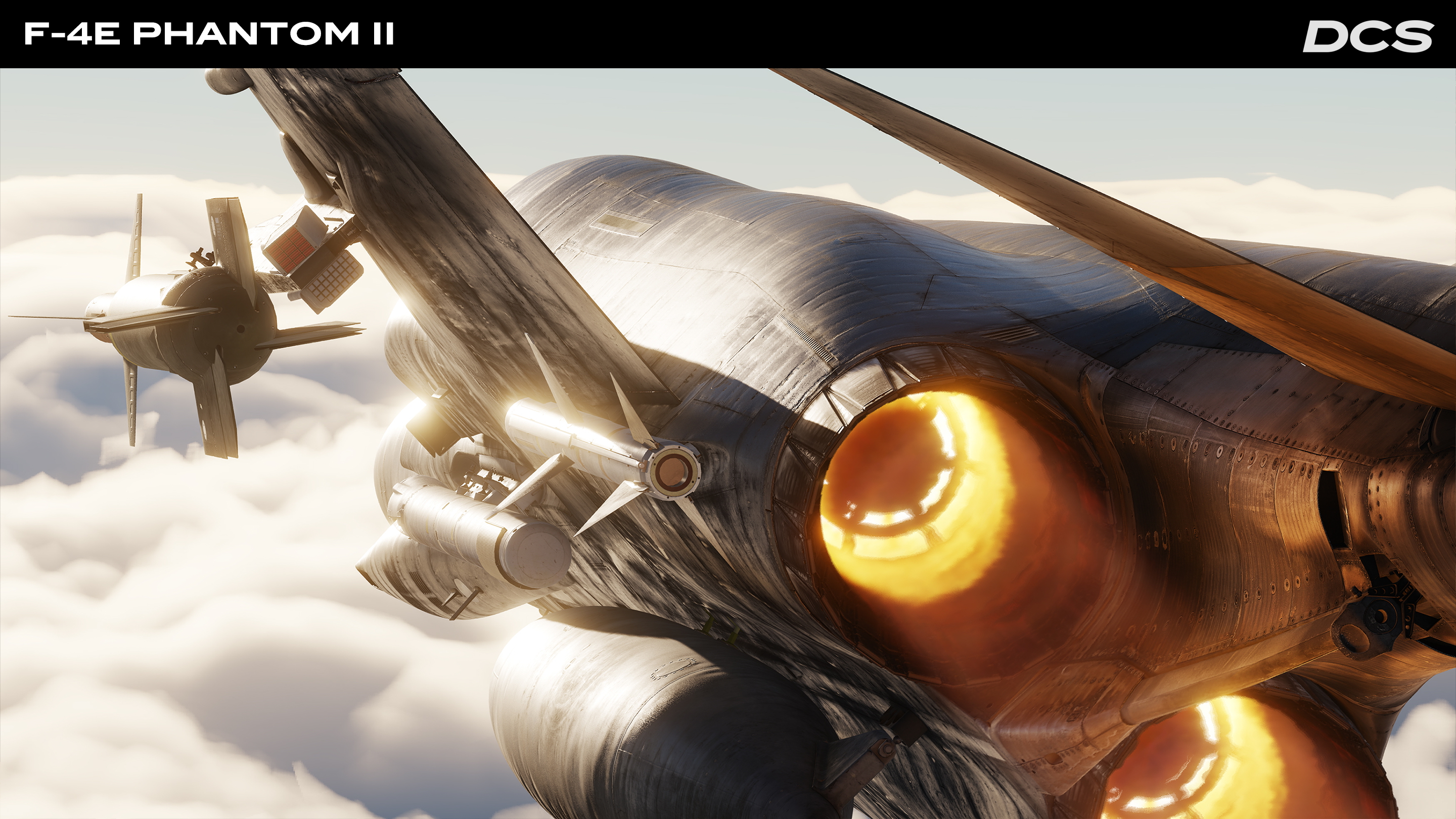
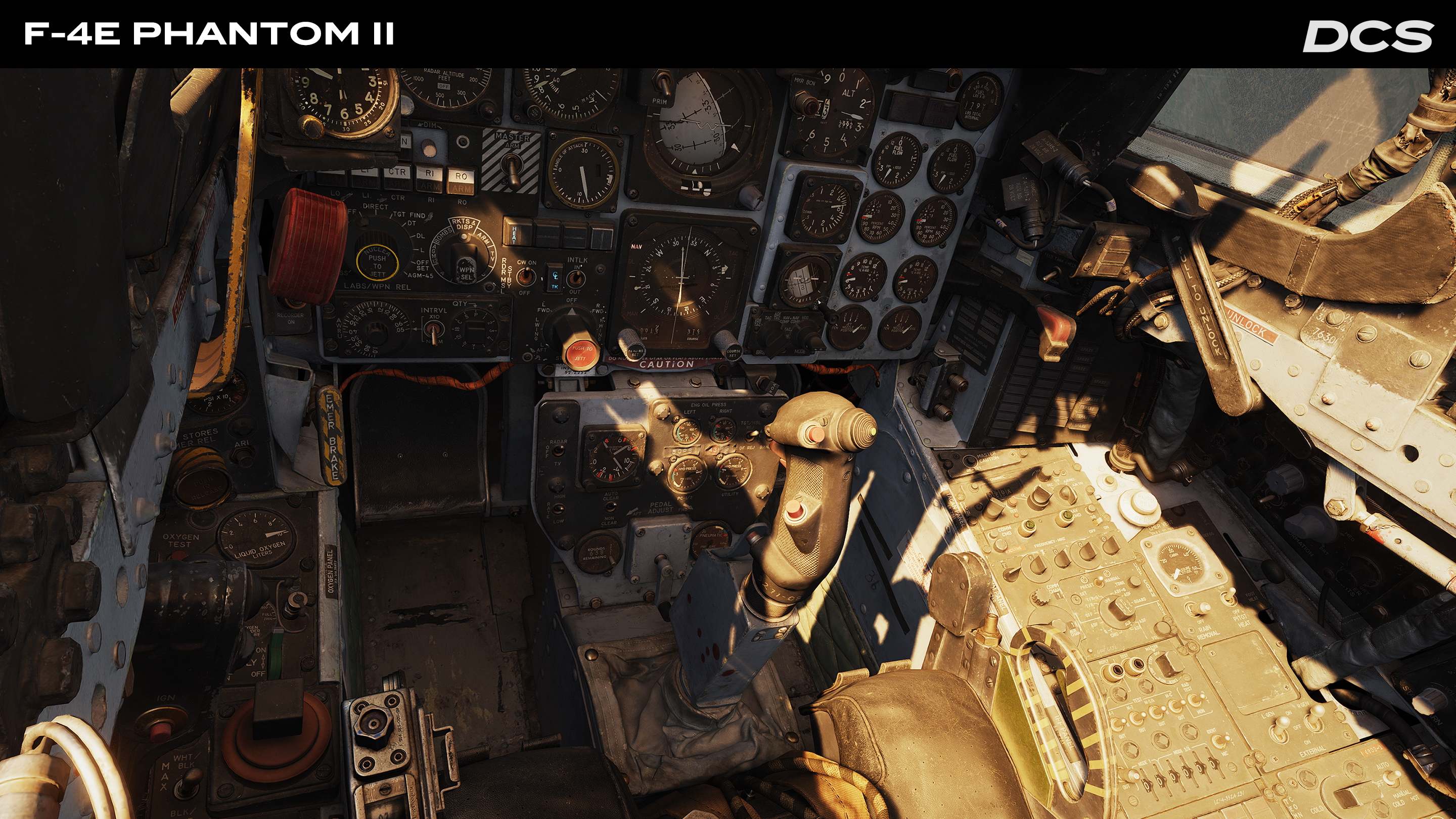
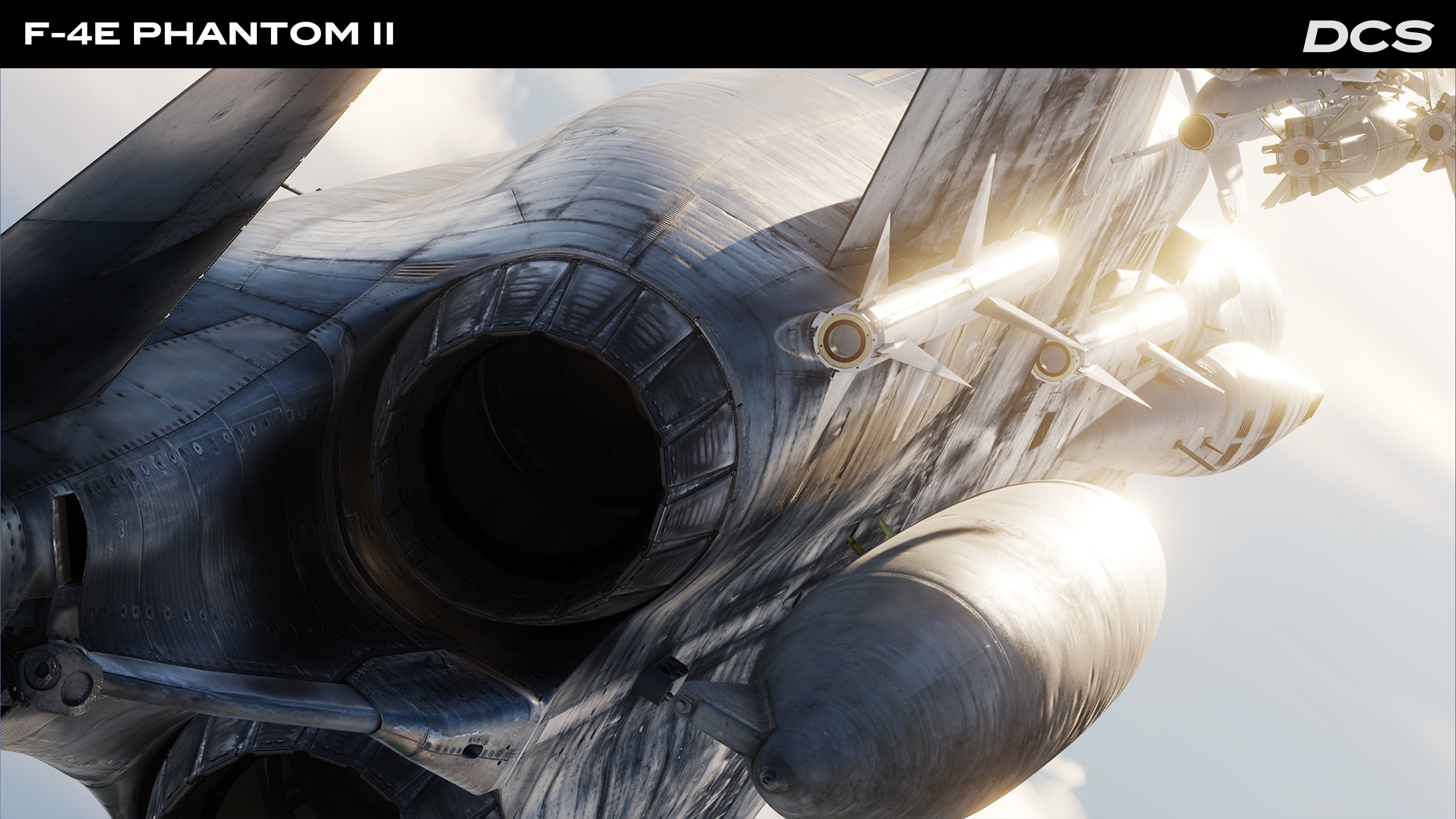
The F-4 Phantom II is an American two-seat, twin-engine, all-weather, long- range supersonic jet interceptor and fighter-bomber originally developed by McDonnell Aircraft for the United States Navy. After entering service with the Navy in 1961, it became adopted by the United States Marine Corps and United States Air Force. Due to its high adaptability, versatility and for its time, unparalleled capabilities, it quickly turned into the main workhorse for all 3 branches and spread beyond the borders of the United States, going on to serve and protect 12 nations across the world, with Phantoms still in operation today. Its production ran from 1958 to 1981, and with nigh 5200 Phantoms built, it became the most produced supersonic US military aircraft in the history, solidifying its place as one of the most recognizable and well known aircraft of the cold war era.