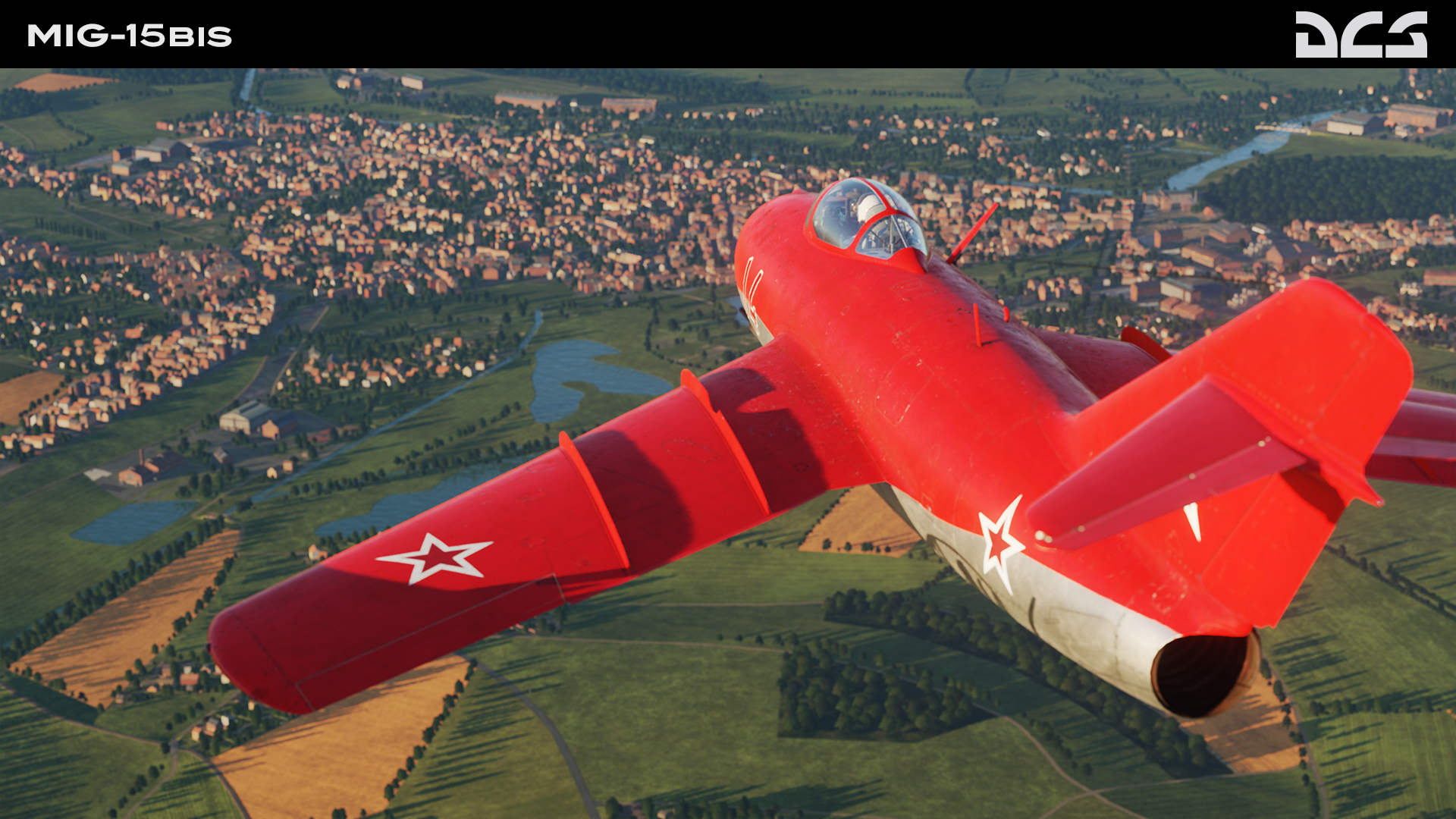
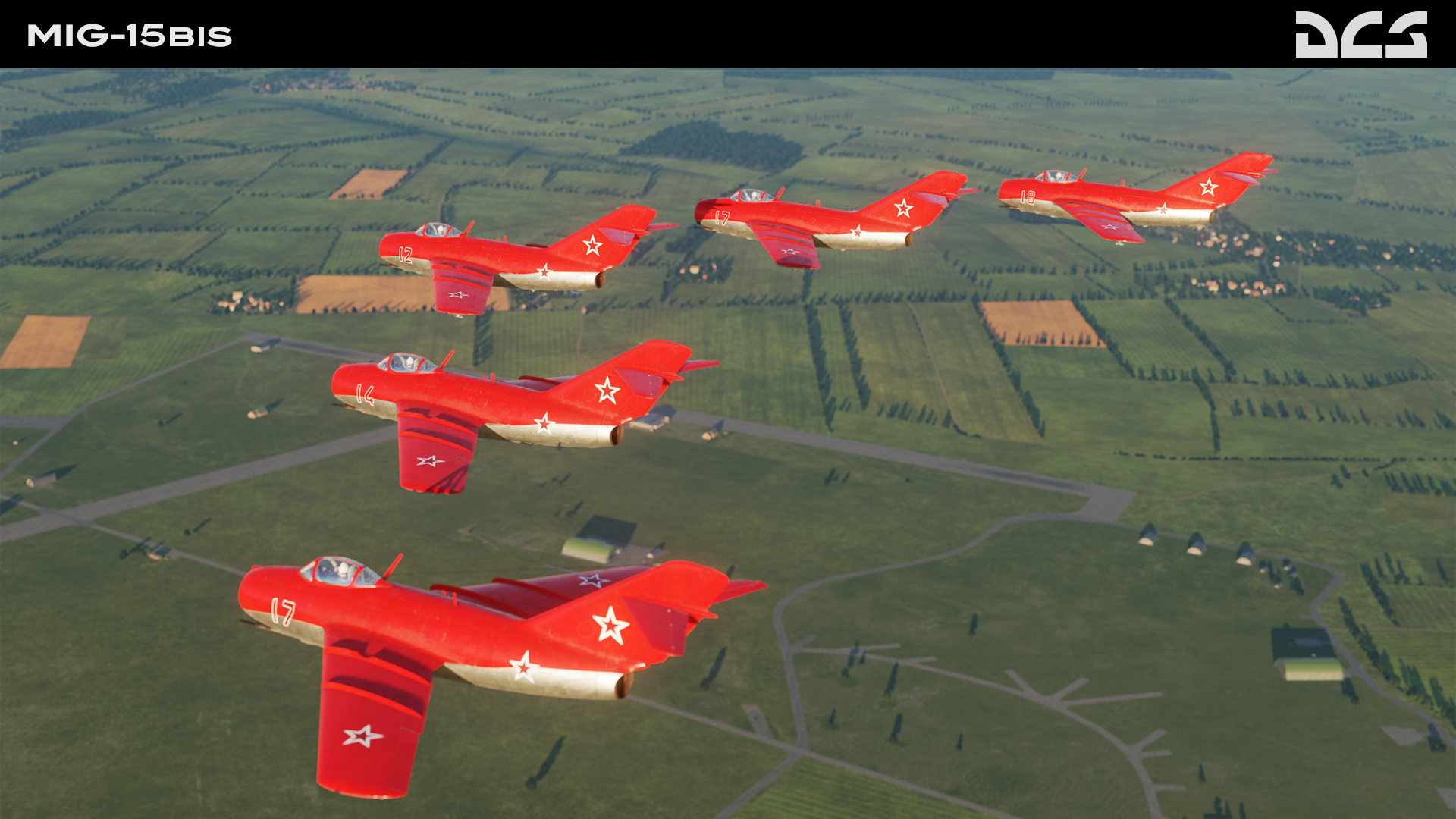
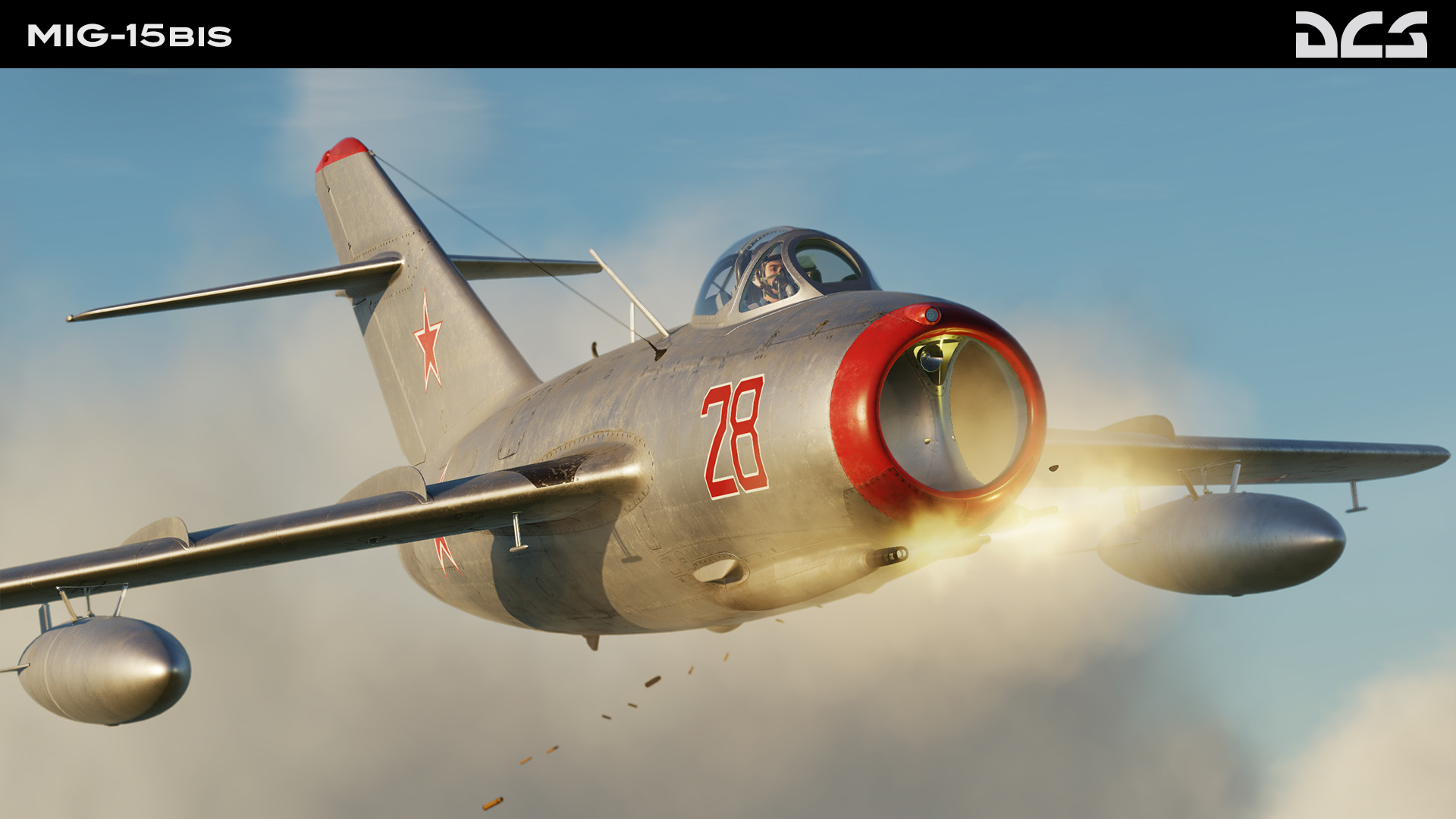
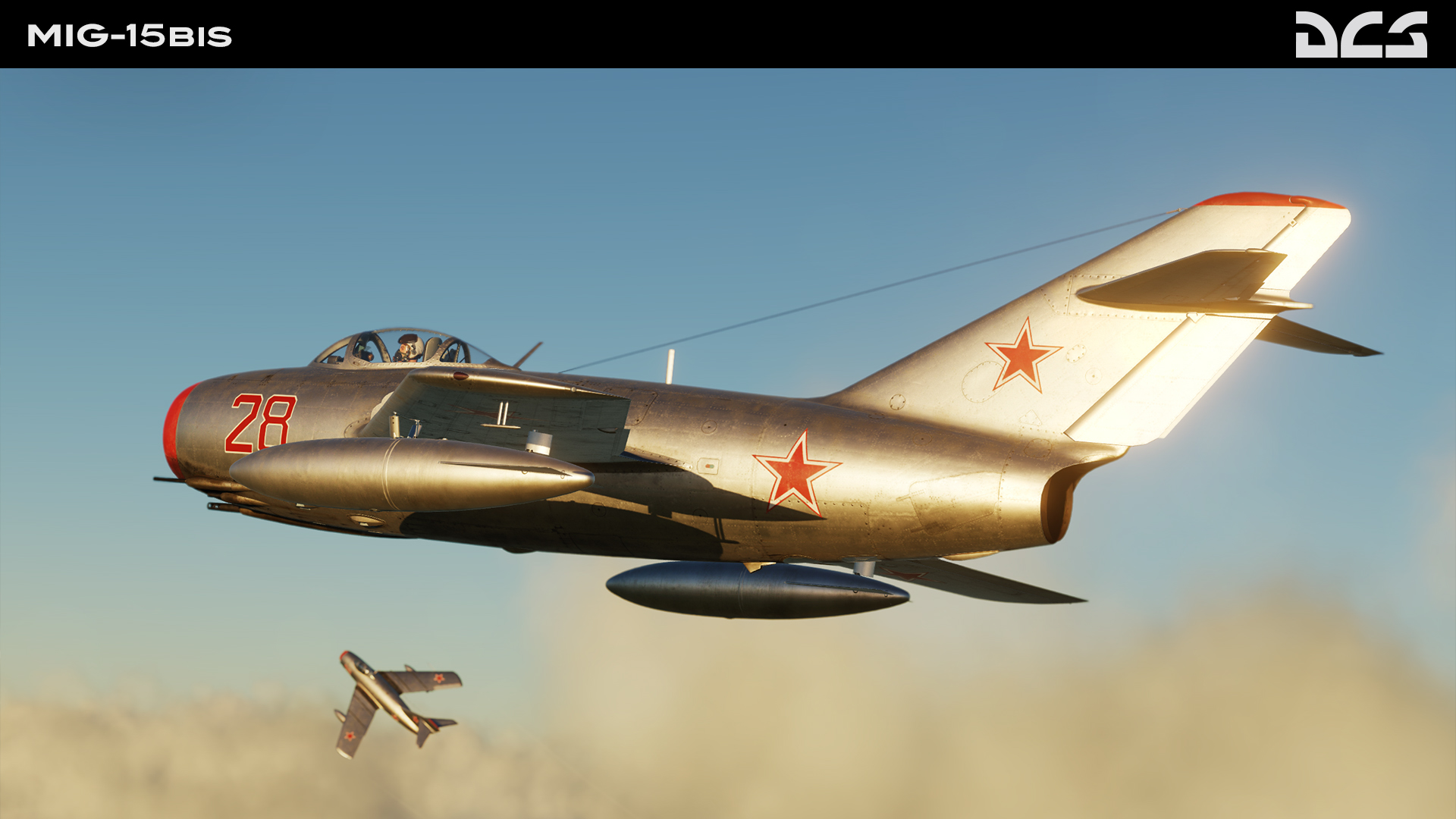
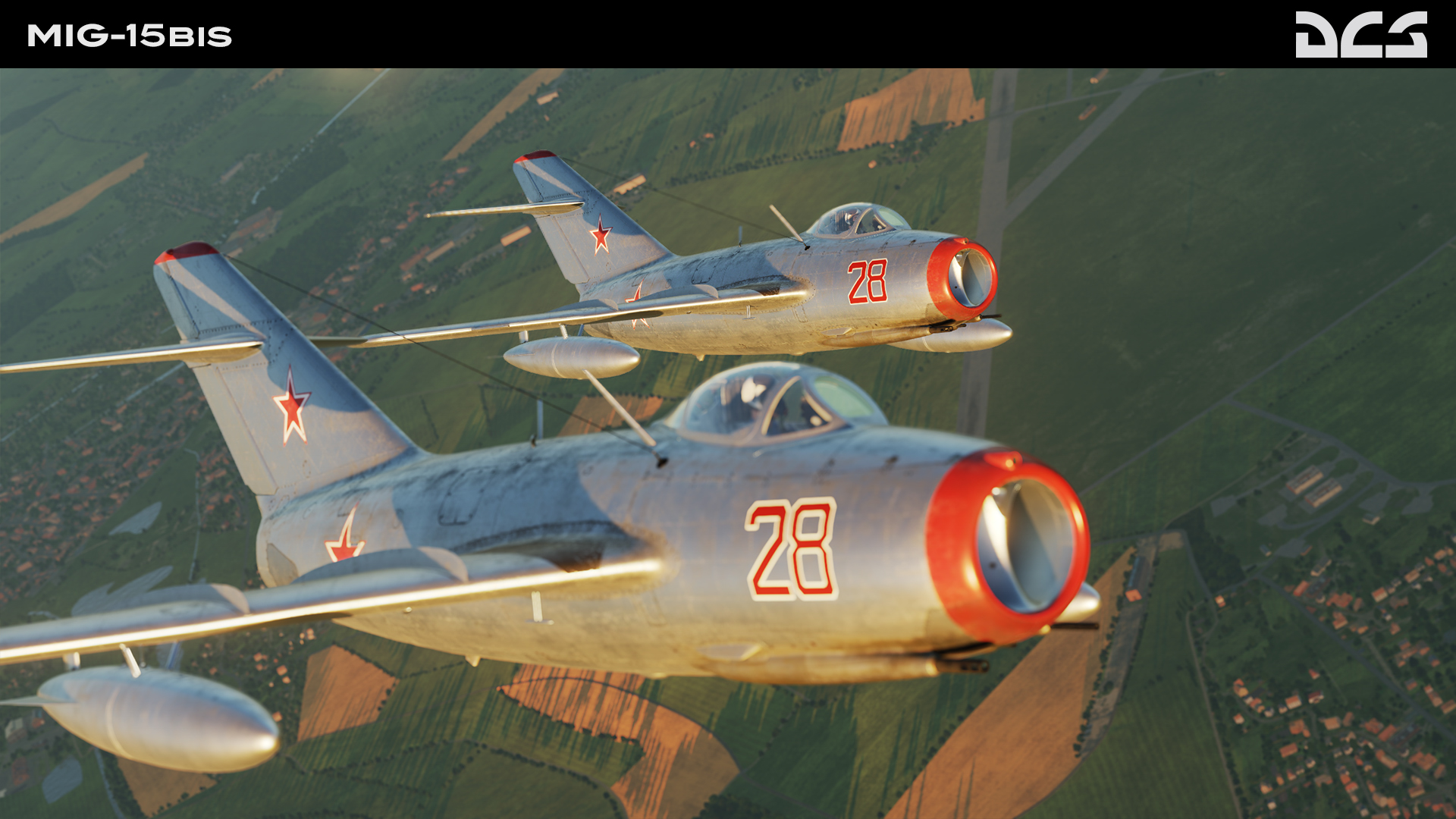
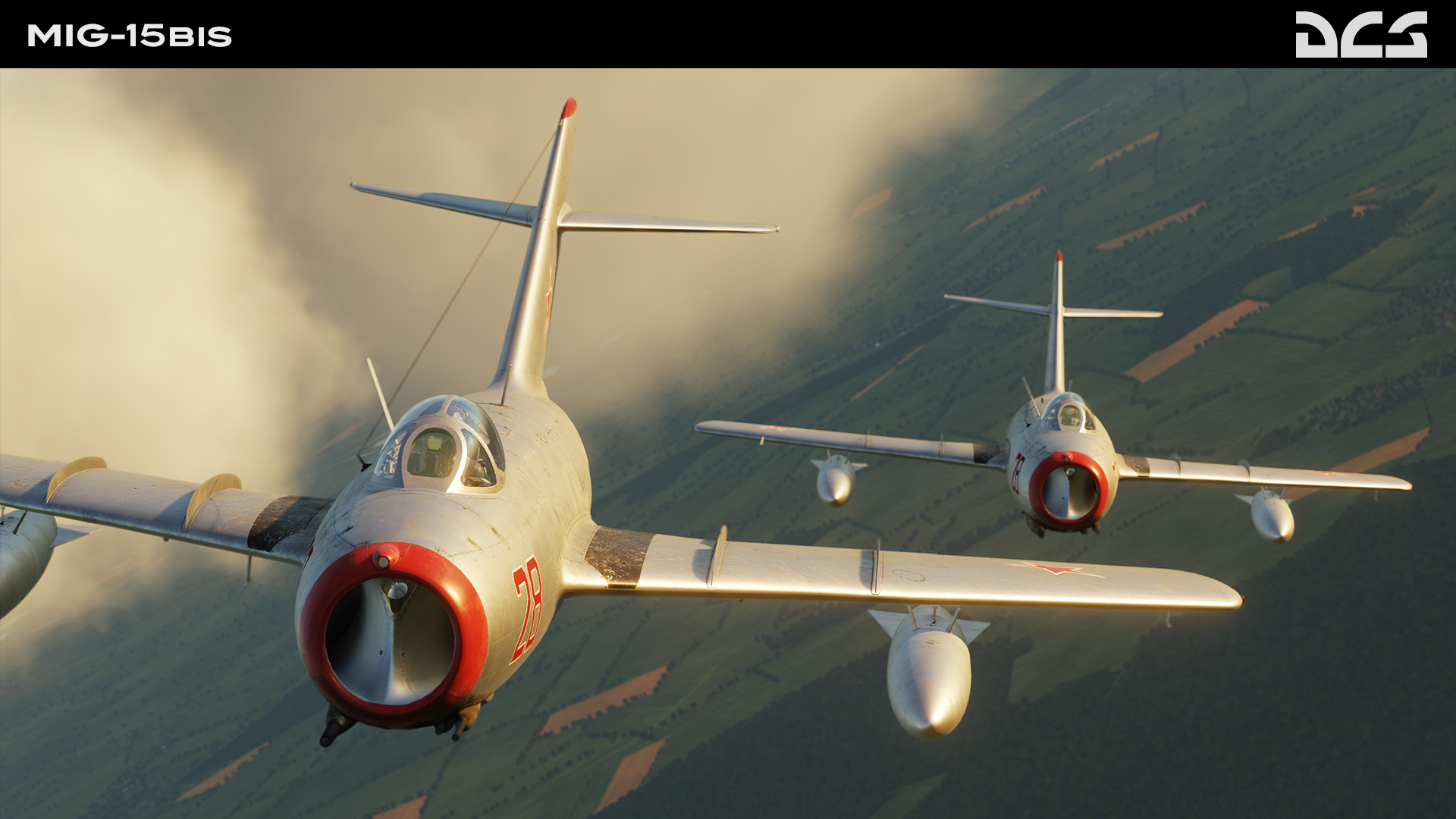
Desarrollado en los años inmediatamente posteriores a la Segunda Guerra Mundial, el MiG-15bis fue un caza de reacción de primera generación diseñado por la oficina de diseño Mikoyan-Gurevich de la Unión Soviética. El MiG-15bis es un caza monomotor con alas en flecha del que se fabricaron más de 15.000 ejemplares. El MiG-15 se hizo famoso en los cielos de Corea, donde luchó contra el F-86 Sabre y otros aviones aliados. Demostró ser un excelente rival para el Sabre, y a menudo era la habilidad del piloto la que determinaba quién llegaba a casa y quién se quedaba colgando de un paracaídas. Con una excelente relación empuje-peso y buenas características de ascenso, el MiG-15bis también estaba armado con dos cañones NR-23 de 23 mm y un único y potente cañón N-37 de 37 mm. No es de extrañar que muchos lo consideren uno de los cazas más mortíferos de la época.
The environmental control system is used to provide the pilot with normal environmental conditions (cockpit temperature and pressure) when performing flights at all operational altitudes. The ECS consists of the air supply and auxiliary ventilation subsystems.
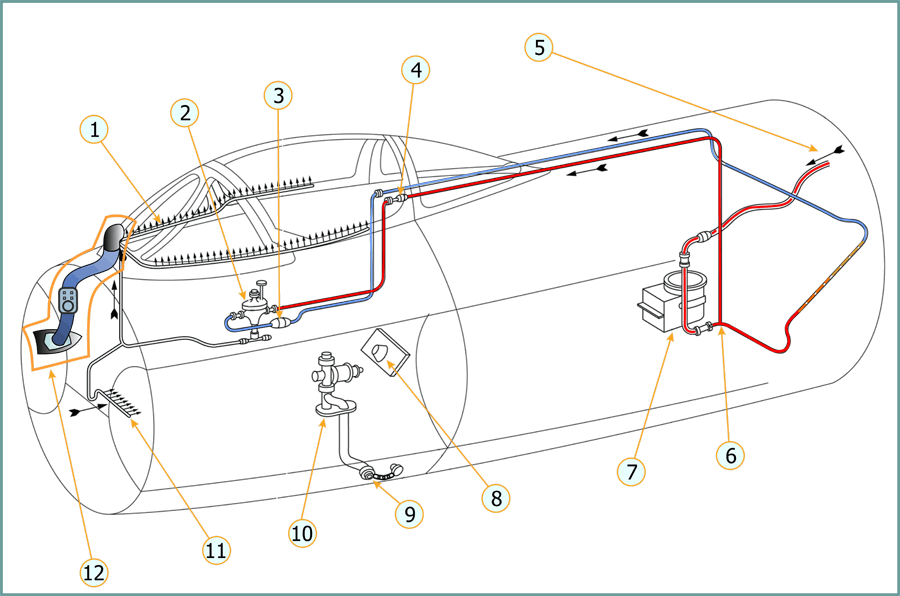
Air is supplied to the cockpit from the engine compressor (5). Warm air from the engine compressor is fed through the air filter (7) and one-way valve (4) to the cockpit air supply valve (2) and further to the blowing duct (1), located under the front windshield and along the canopy sides. The purpose of the blowing duct is to use air flowing into cockpit for windshield and canopy defogging.
Cockpit air is supplied from the engine compressor only. Hot and cold air generation is achieved by splitting a common pipeline into two parts and selectively insulating only one of them.
The cockpit air supply valve is an element of both the air supply and pneumatic systems. It is a cylindrical plug valve, which the pilot can use to regulate (control) the cockpit air supply.
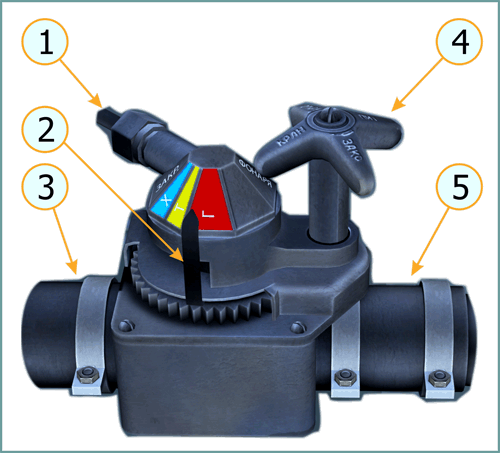
The cockpit air supply valve is connected to the cockpit pressurization line, which supplies air at a pressure of 2.9±0.2 kg/cm2 into cockpit pressurization hose (from the pneumatic system).
Auxiliary ventilation system
The MiG-15bis is equipped with an auxiliary ventilation system (12), which can be used by the pilot to ventilate the cockpit when flying at low altitudes in hot outside temperatures. In the simulation, the auxiliary ventilation system can be used to ventilate out cockpit smoke in case of fire (WIP).
Correct use of the environmental control system is an important part of flight operational safety and failure to configure the related controls properly can lead to the pilot's loss of consciousness and canopy fogging (WIP).
The pneumatic system consists of the main and emergency pneumatic systems:
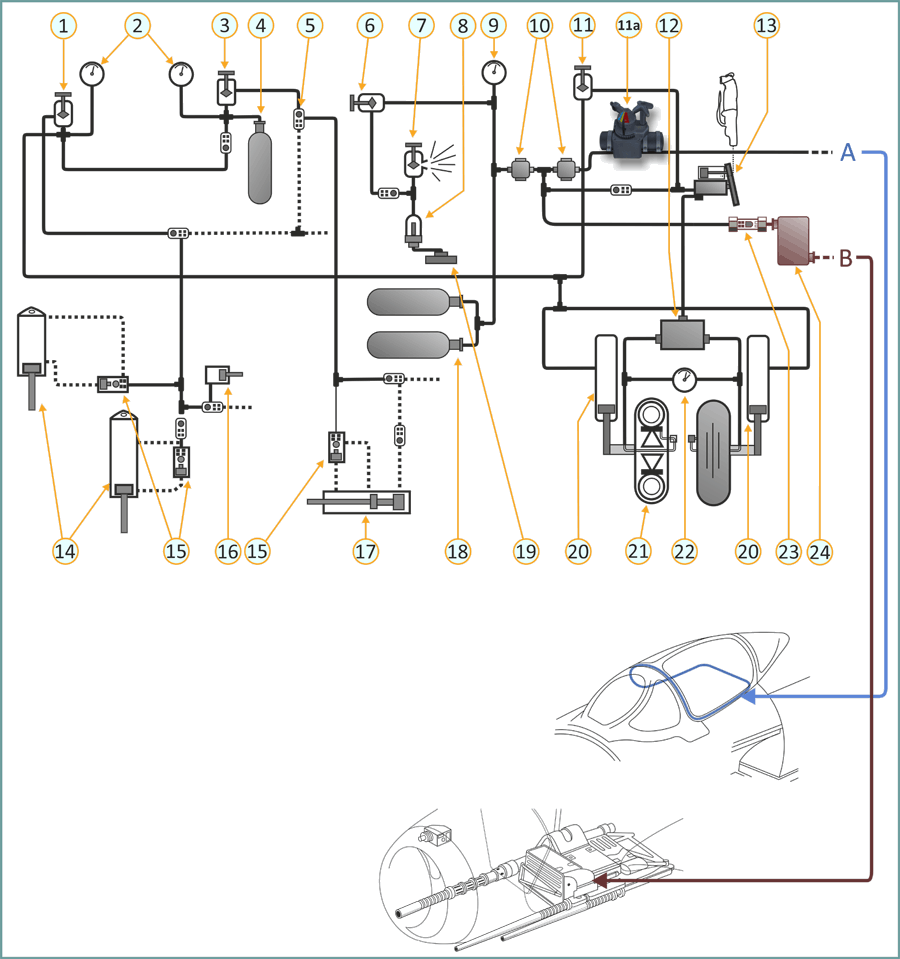
The main pneumatic system provides:
The emergency pneumatic system provides: