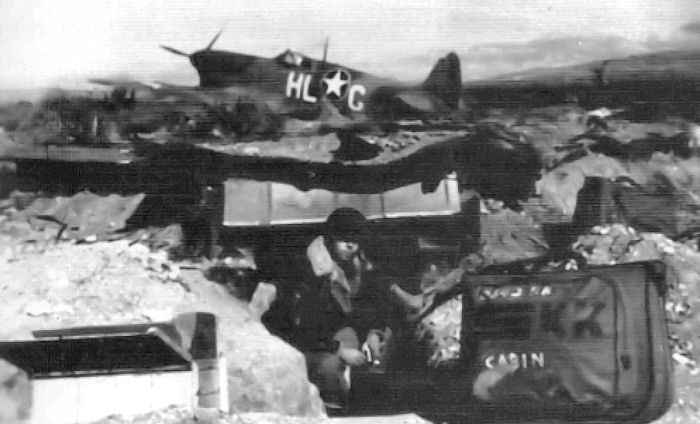
On 21 April 1943, the 31st Fighter Group flying Spitfire Mk.IXs,conducted a fighter sweep over Tunisia and encountered eight Bf-109s. They shot down seven of them. You are a flight leader.
On 22 September 1944, a pair of 418 RCAF Intruder Mosquitos took advantage of bad weather, during which most Luftwaffe patrols would be grounded, to attack two German bomber bases. You are the lead pilot.
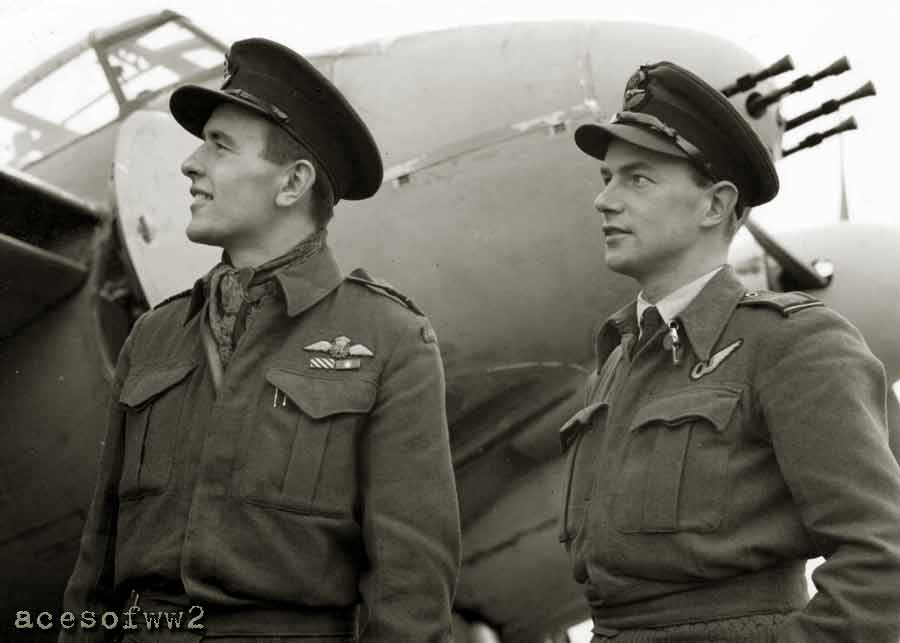
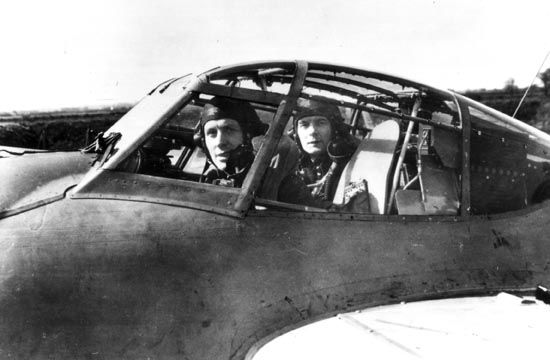
Bad weather meant good flying for Day Ranger intruder missions by 418 RCAF: Most Luftwaffe interceptors were grounded by weather. This mission was flown by 418 RCAF commander Russ Bannock and his navigator Robert Bruce. They found a three-mile-long vehicle convoy south of Bruges, Belgium and strafed it four times. They claimed six vehicles destroyed and five damaged. Bannock ended the war as the second highest scoring Canadian ace (behind George Beurling). The 418 was the top scoring RCAF squadron of the war.
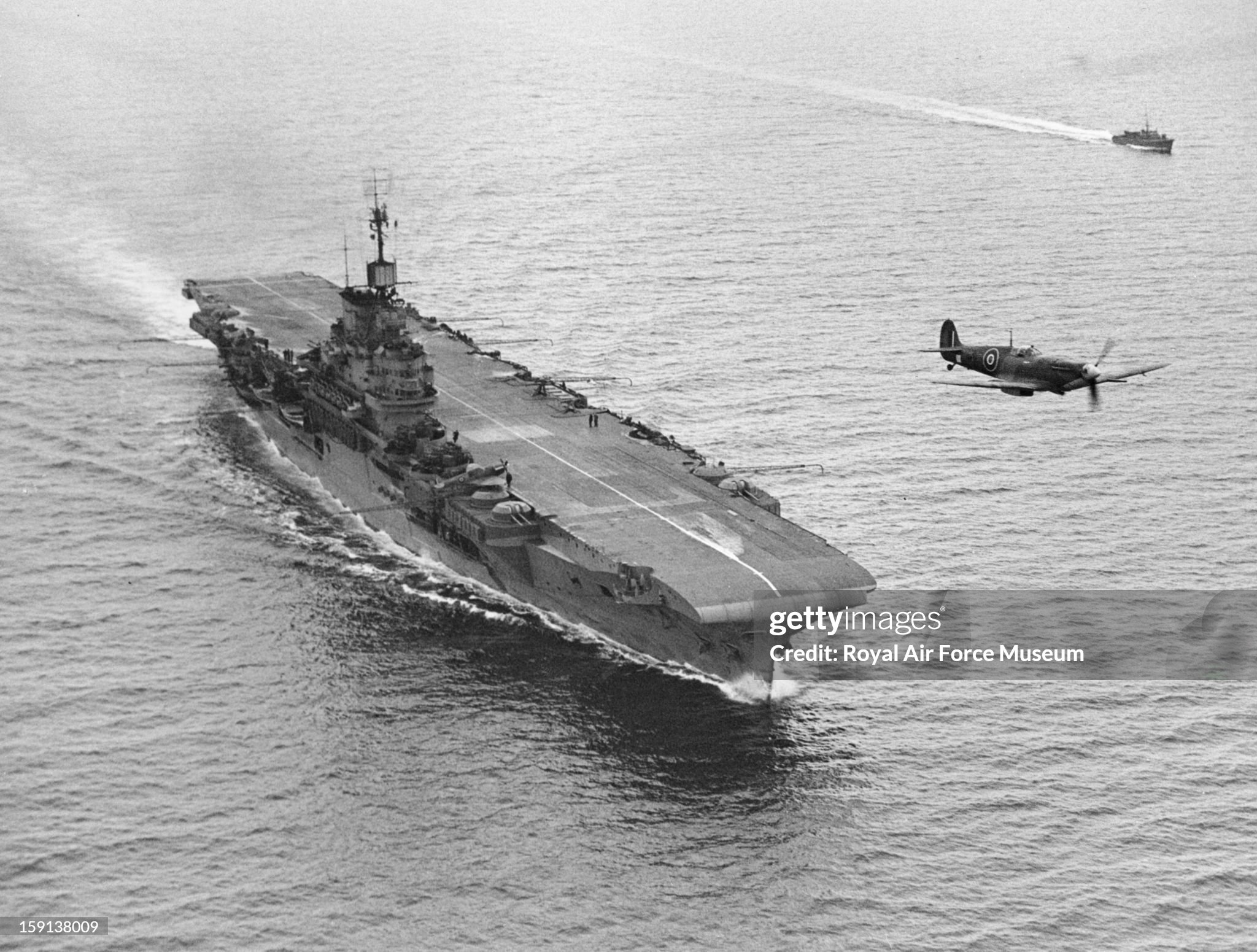
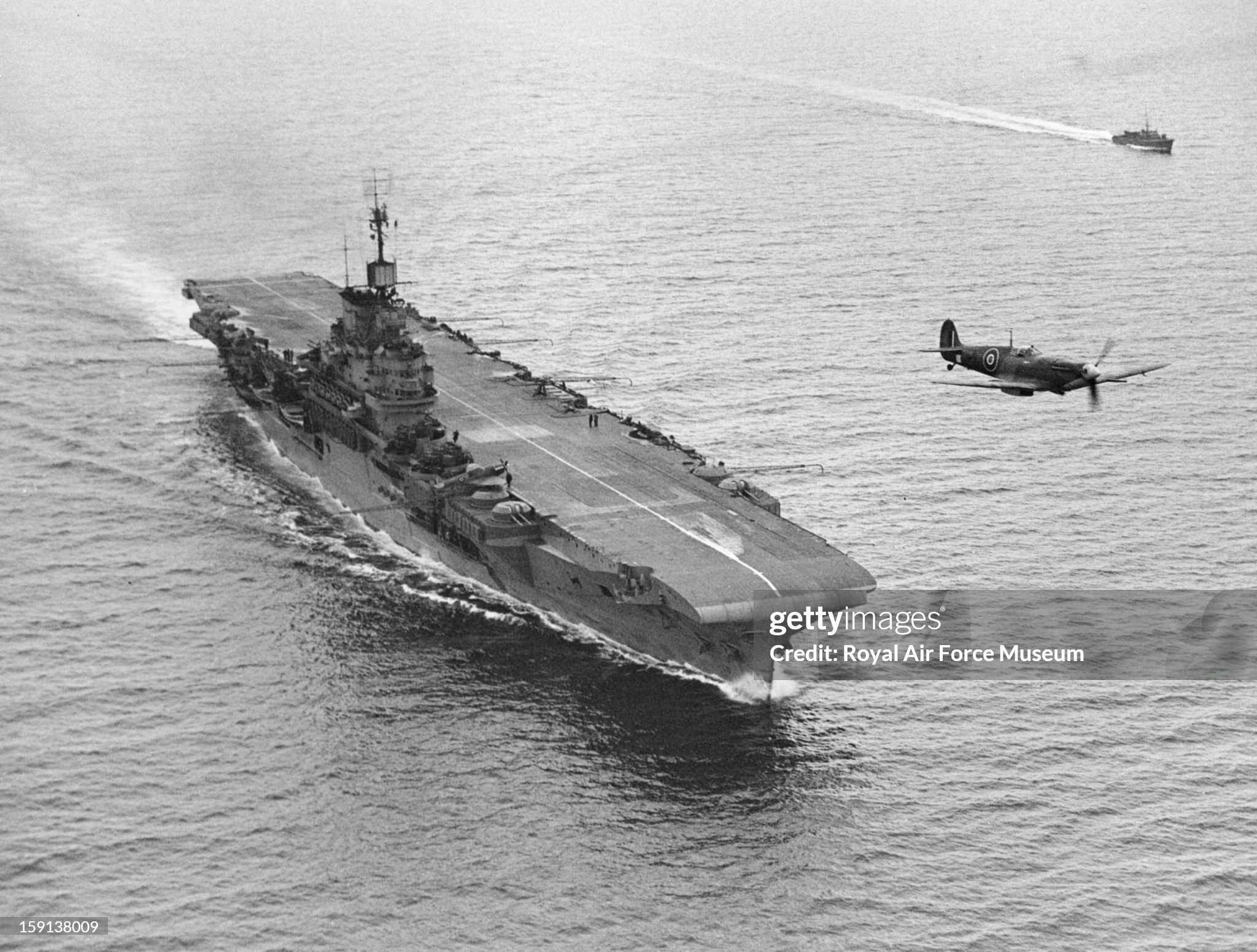
Seafires were used by the British Pacific Fleet (BPF) at a mission in which they excelled: Low-level (below 14,000 feet) Combat Air Patrols. Japanese Kamikaze planes frequently flew low to try to avoid BPF radar so the Seafires stayed low as well. On 4 May 1945 BPF radar spotted four Zekes approaching from the west and three Seafires were vectored to intercept them. You are the Seafire flight leader.
Radar picked up six Ki-21 Sally twin-engine bombers approaching the British Pacific Fleet at low altitude. Four Seafires were dispatched to intercept them. You are the Seafire Flight Leader.
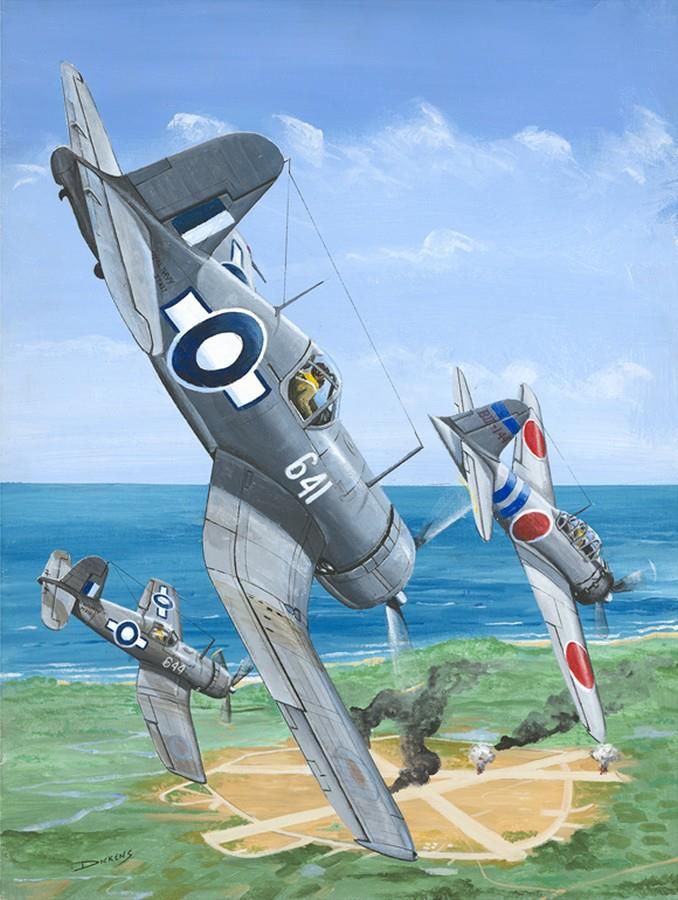
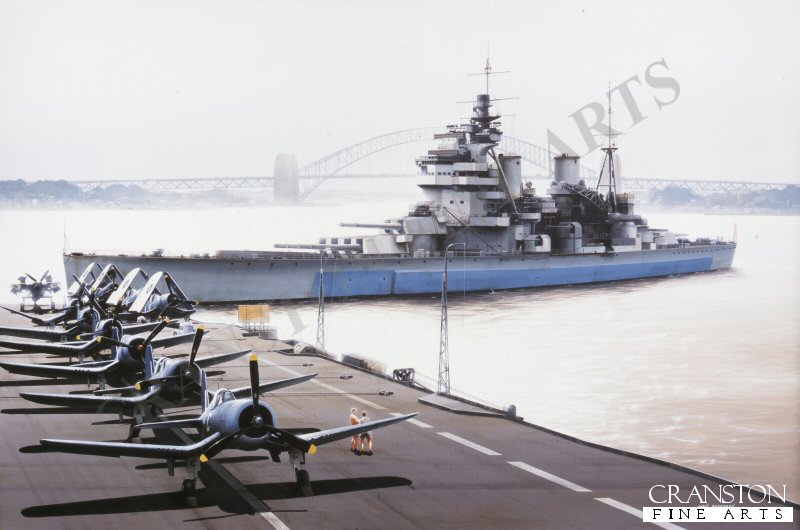
After a series of raids that destroyed petroleum facilities that had been captured by the Japanese from Dutch possessions the British East Fleet became US Navy Task Force 57 of the new British Pacific Fleet. It was given the mission of attacking Japanese kamikaze bases in the Sakishima island chain between Formosa and Okinawa. BPF Corsairs flew ahead of the bombers raiding the airfields and cleared out AAA, Japanese aircraft and other ground targets. This campaign recreates 12 of the RAMROD and CAP missions flown by the British Corsairs.
On 16 May 1945 the British Pacific Fleet returned to the Japanese Sakishima Gunto air bases to find very few targets. A RAMROD flight of F4Us found a column of Japanese APCs carrying Japanese troops and destroyed it. You are the flight leader of that RAMROD mission.
On 25 May 1945, the BPF moved back to Australia to refit and repair in preparation for the planned invasion of Japan.
On 4 May 1945, Radar picked up four enemy aircraft heading from Formosa to the British Pacific Fleet. All were Zeros carrying bombs indicating a likey kamikaze attack on the fleet. Four Corsairs on CAP duty launched to intercept them in poor weather. You are the CAP leader. Hit the Zeros before they can attack the fleet.
At 1515 on 4 May 1945, HMS Victorious' Corsairs caught and shot down a Judy dive bomber that was directing kamikaze pilots to their targets. Lieutenant Don Sheppard claimed this as his fifth kill, making him the FAA's first Pacific fighter ace.
On 12 April 1945, British Pacific Fleet radar detected a single aircraft approaching the fleet from Formosa. The aircraft turned out to be a twin engine Ki-46 Dinah reconnaissance plane, capable of high altitudes and speed to match any Allied fighter. A flight of Corsairs was launched to intercept it guided by GCI. You are the flight leader.