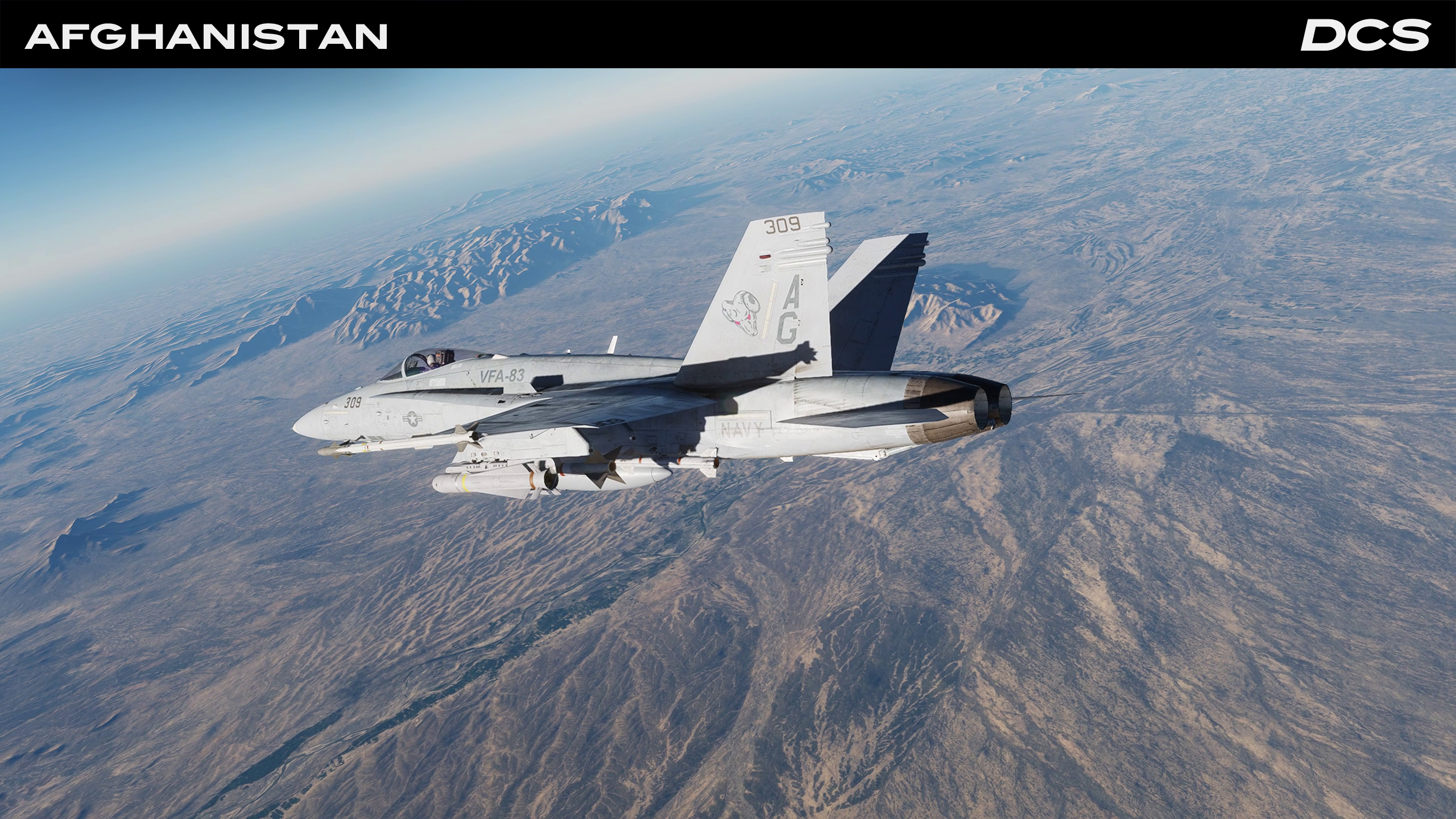
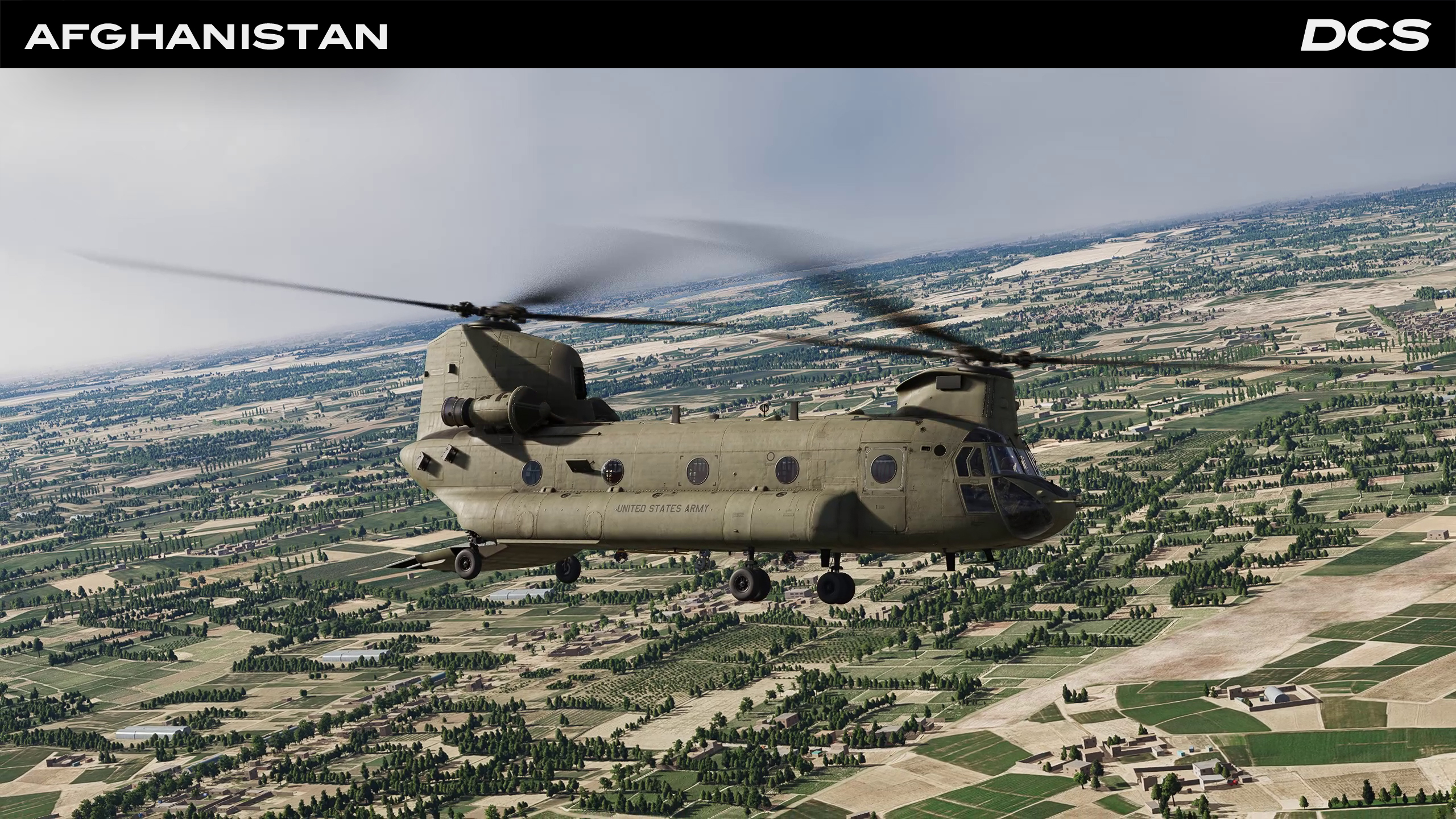
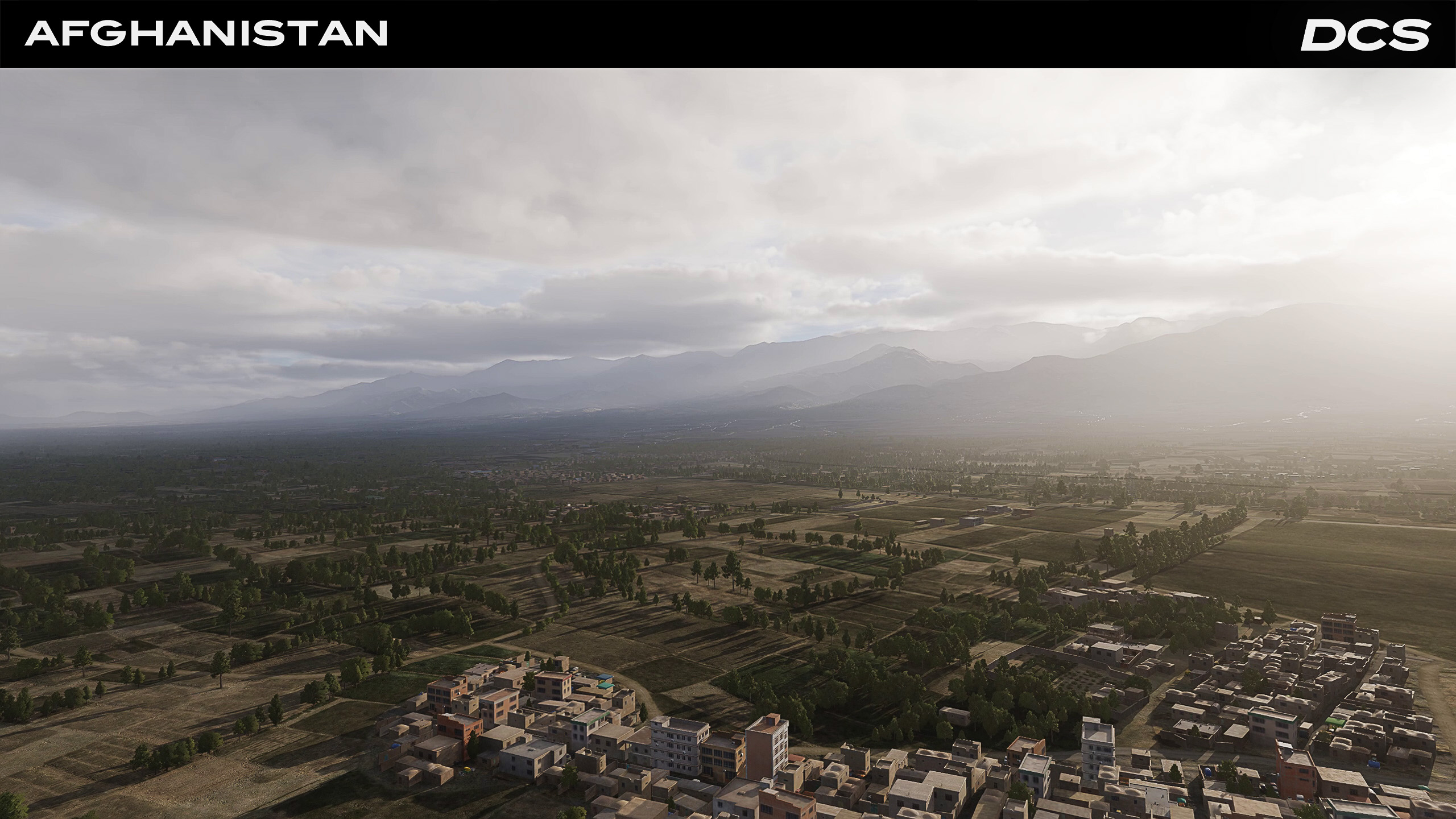
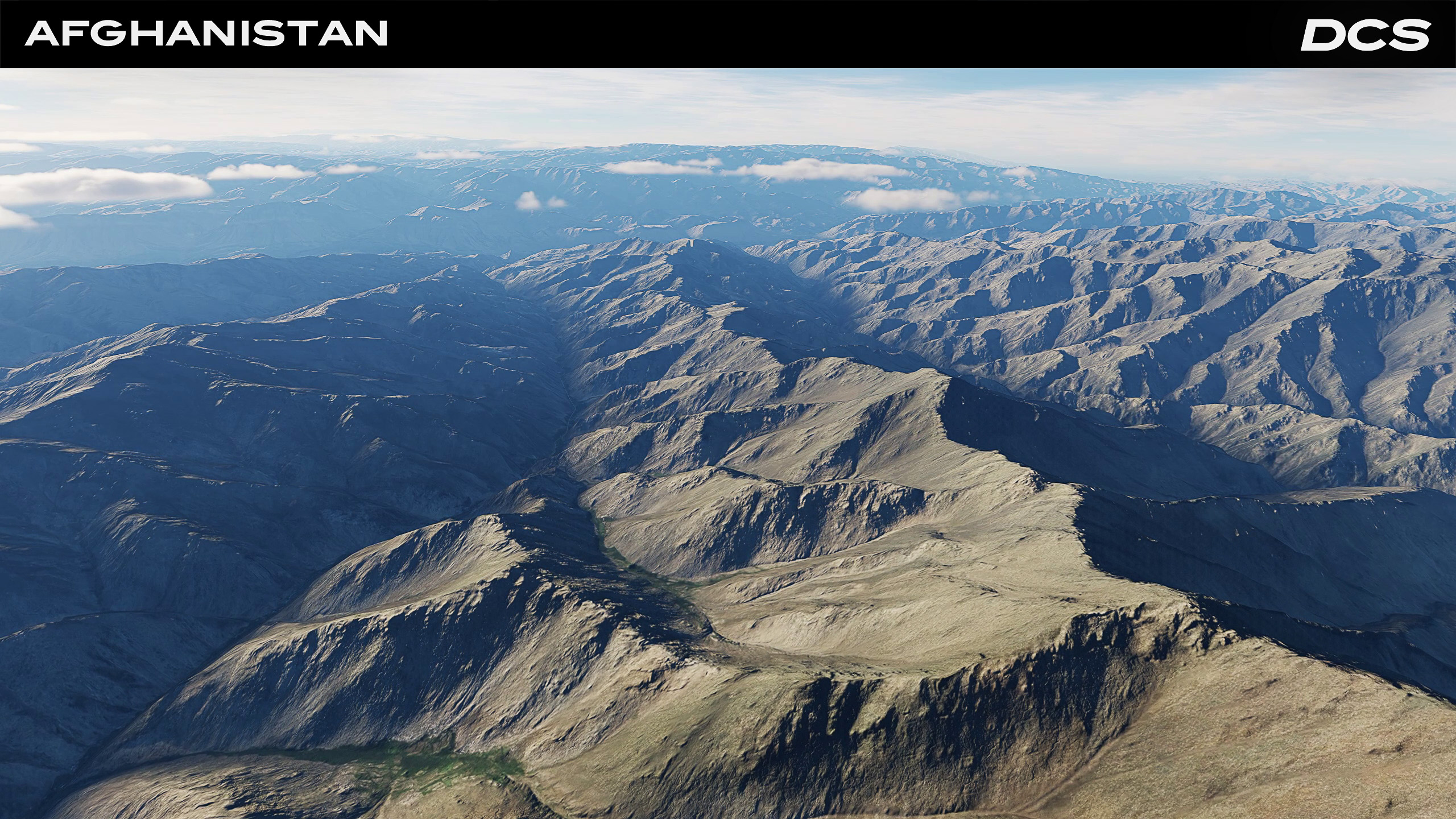
The DCS: Afghanistan full area: 2 290 264 km2
28 highly detailed airfields
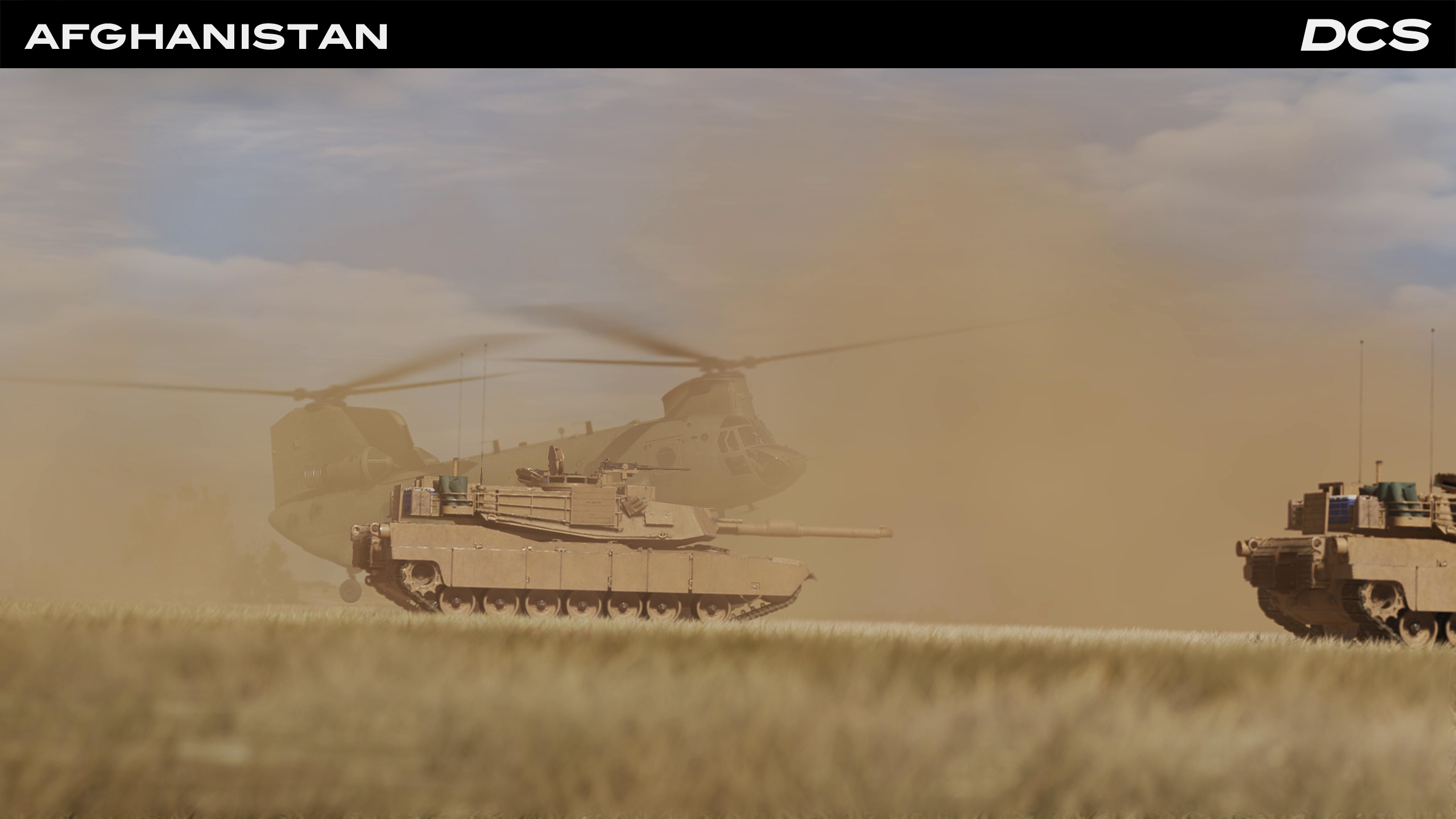
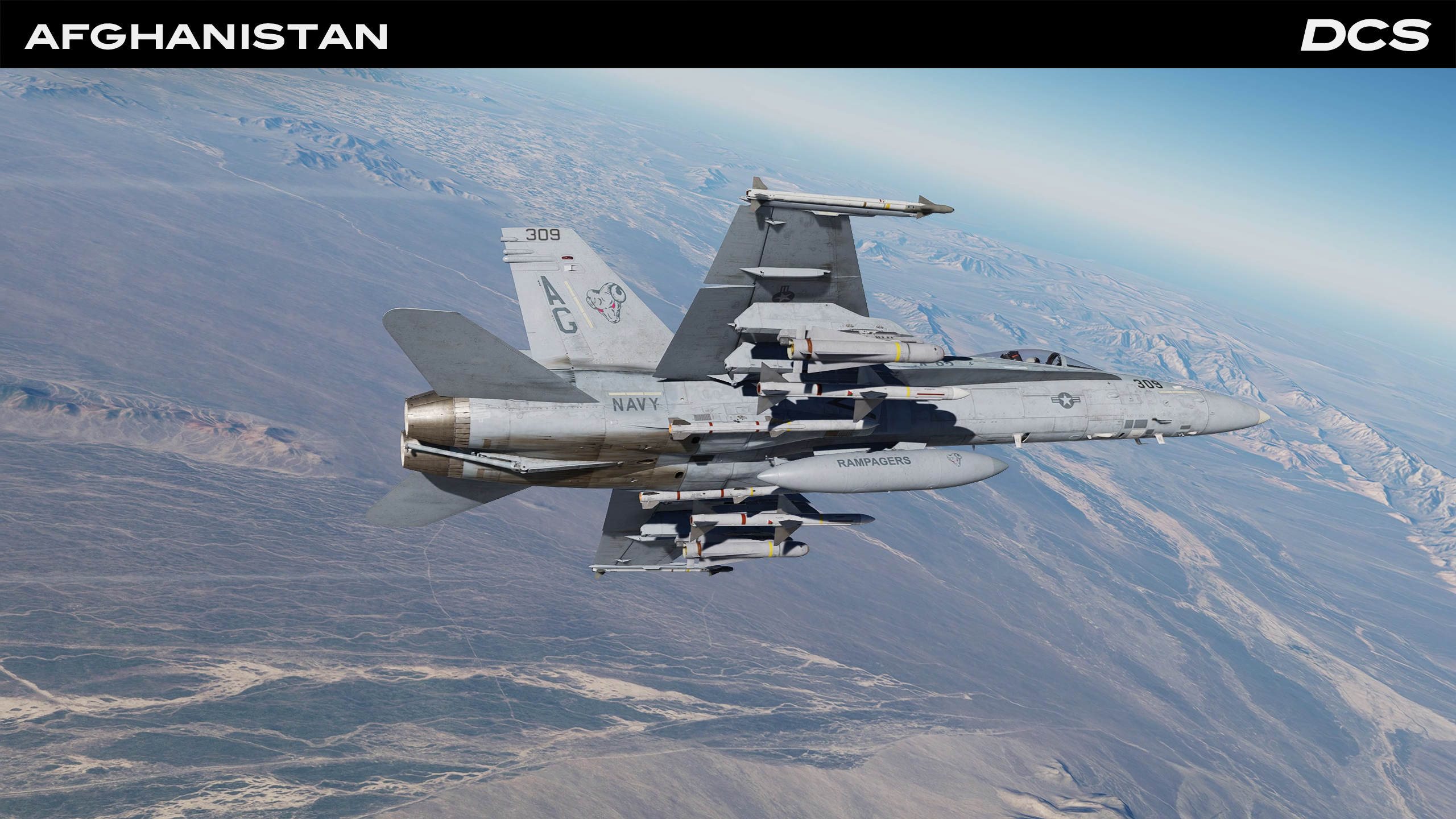
20 years of the War on Terror and the Soviet operations of the 1980s place Afghanistan as one of the most important combat theatres of the past half century. Few war zones have ever seen more A-10C, AH-64D, F-16C, F/A-18C, CH-47F, Mi-24P, Mi-8MTV2, and Su-25 sorties than this.
The entirety of Afghanistan and small portions of neighbouring countries will be available, showcasing our latest map technologies.
DCS: Afghanistan is offered with a special 30% discount at $48.99 during the pre-purchase phase. The early access release price will be set at 20% off or $55.99 until the final release date.
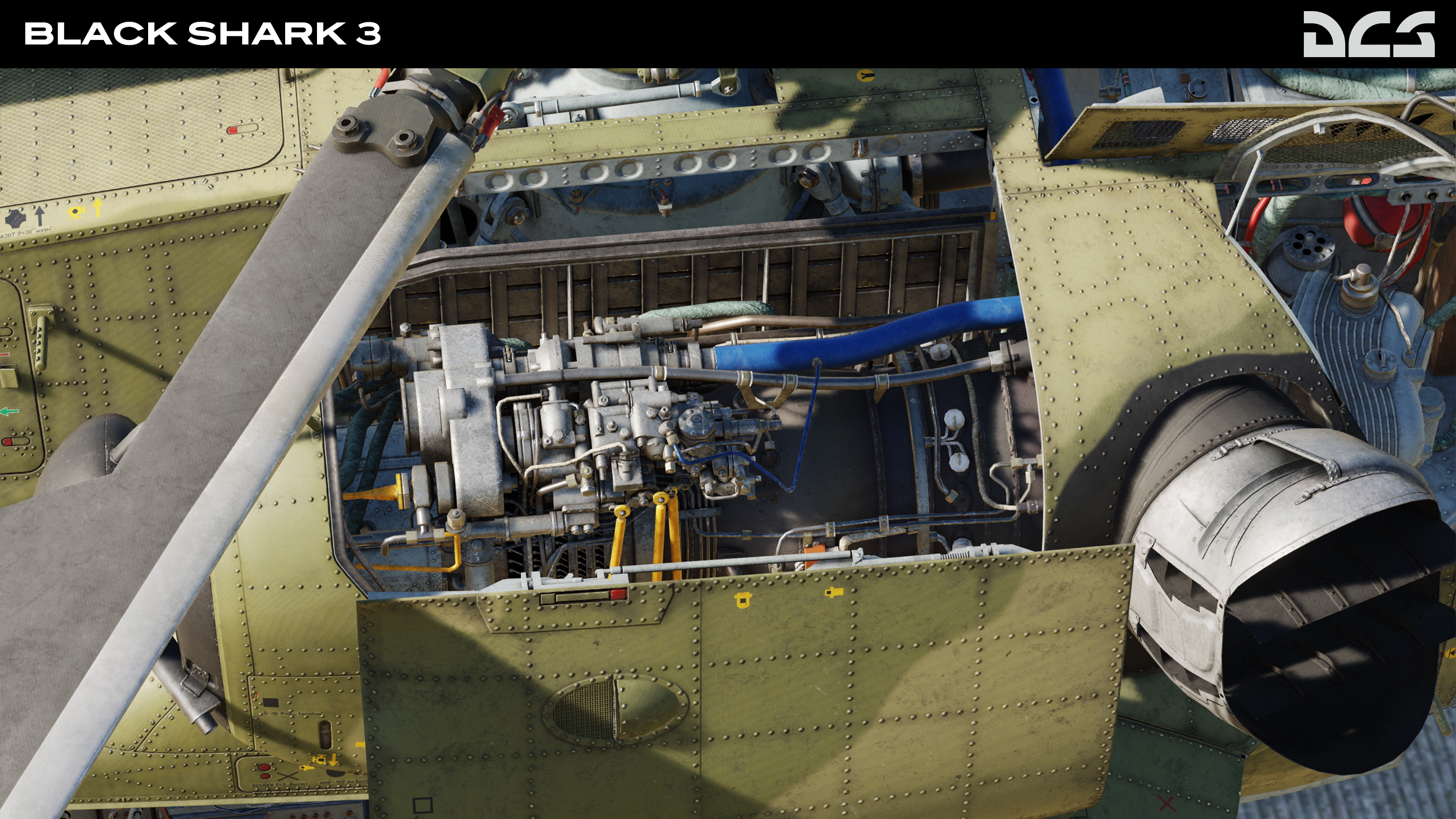
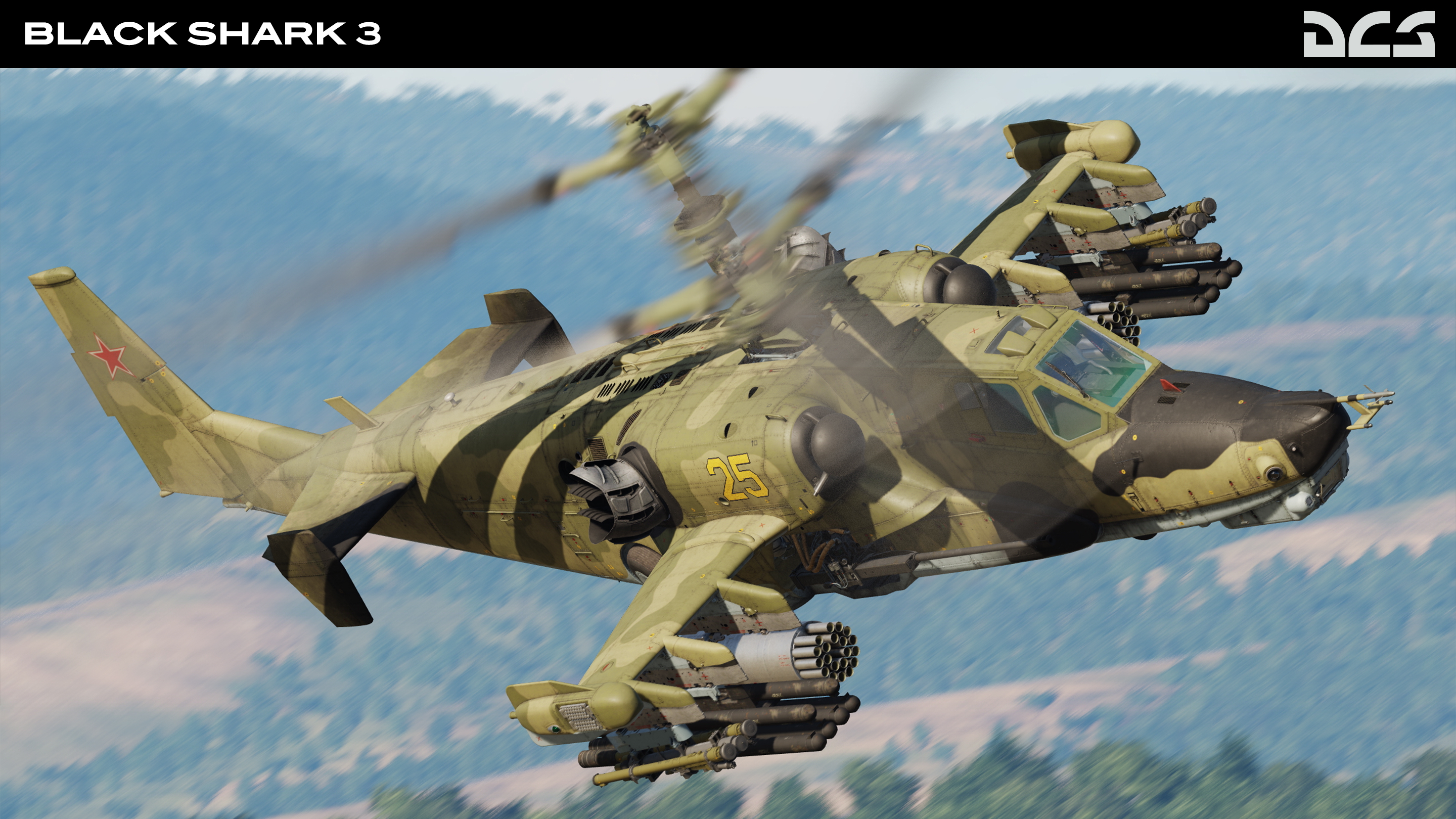
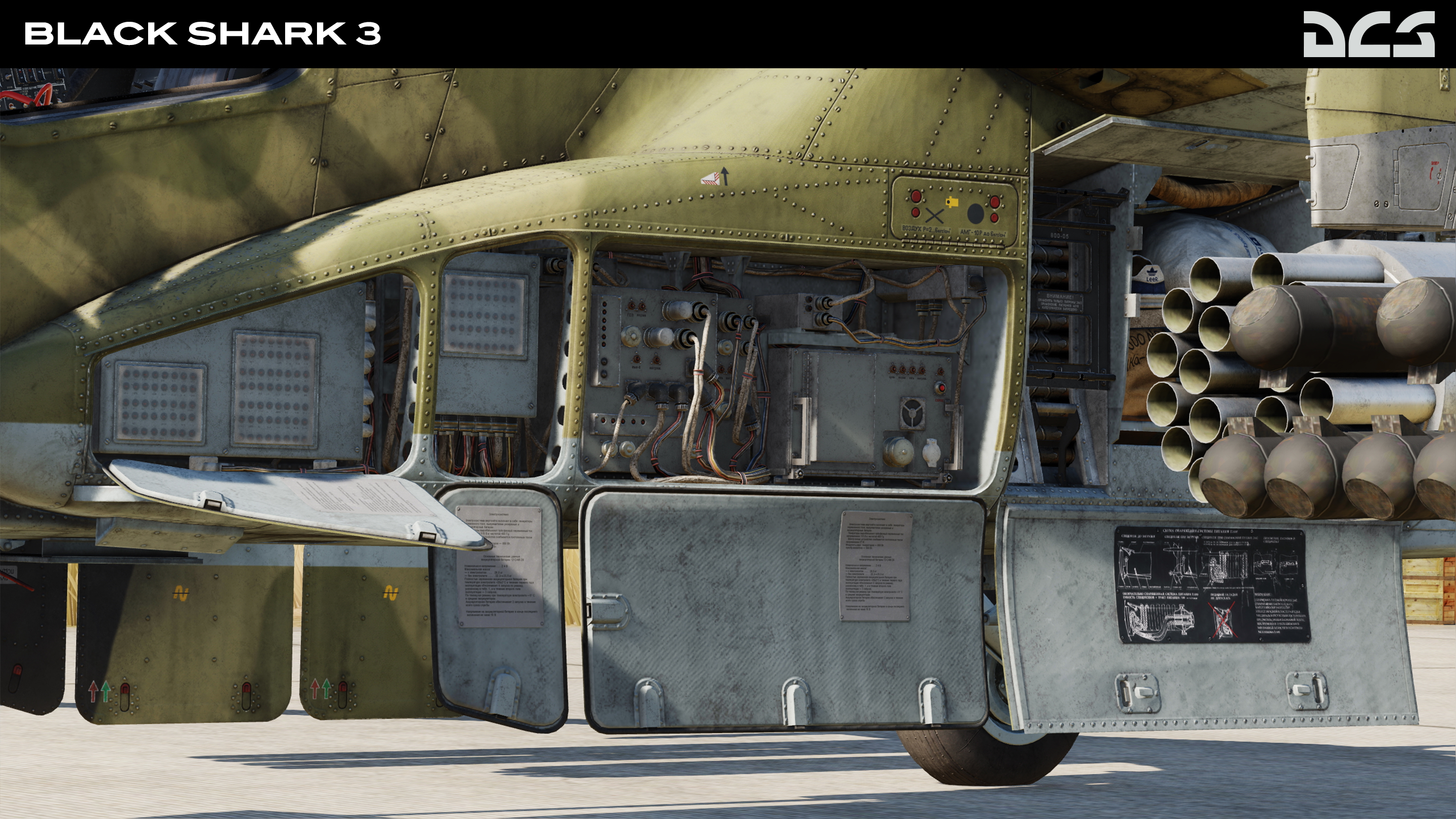
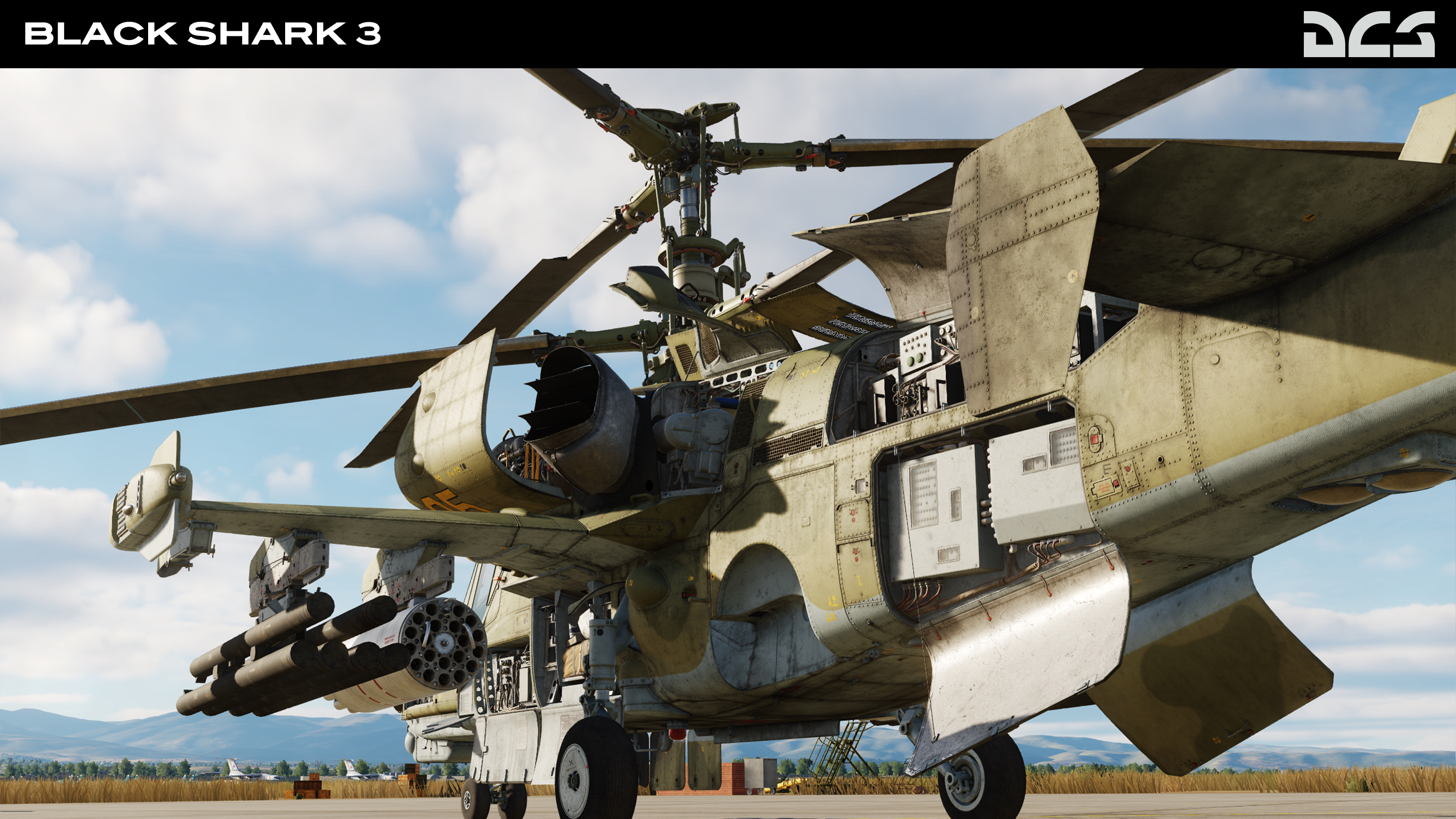
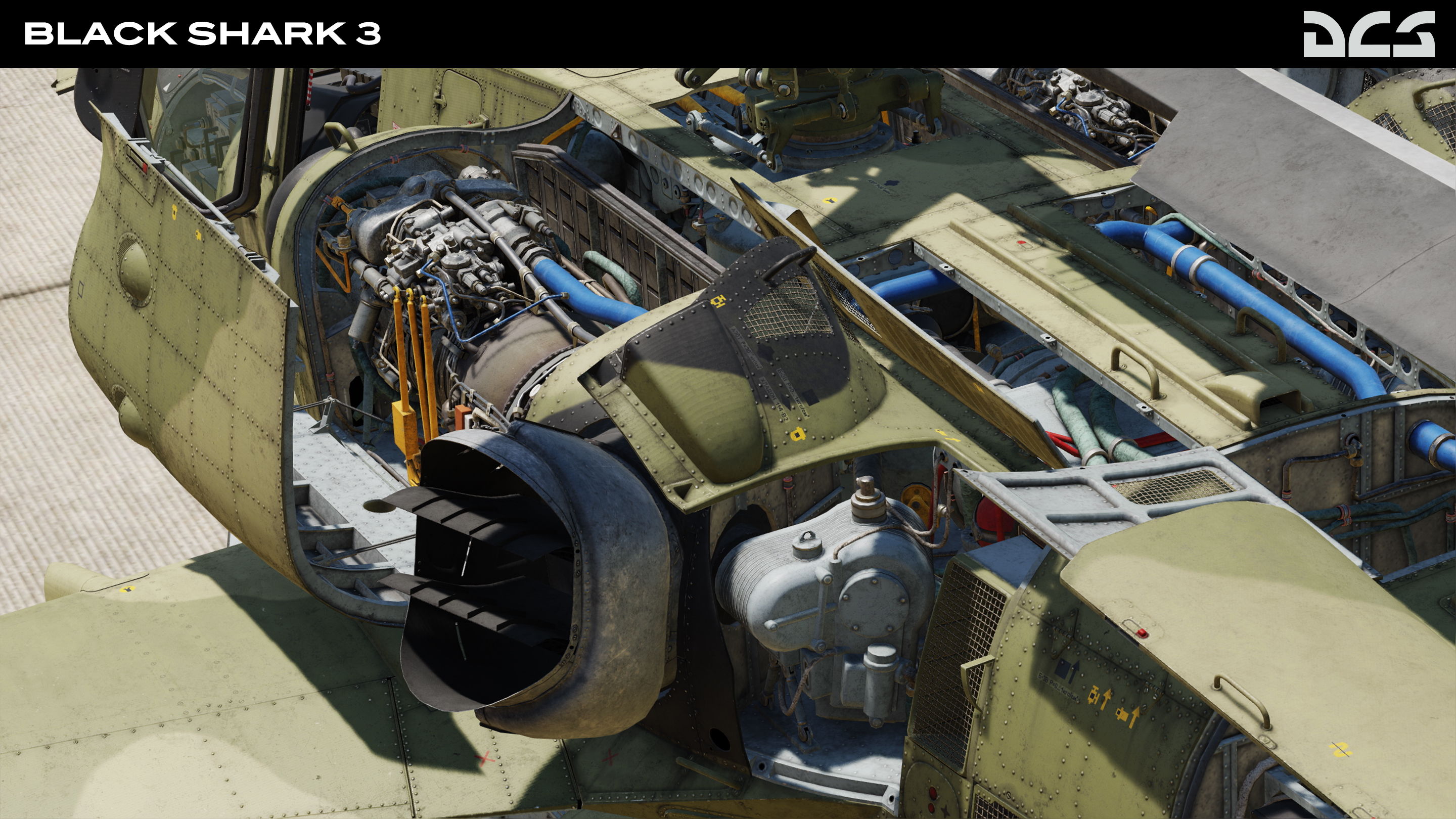
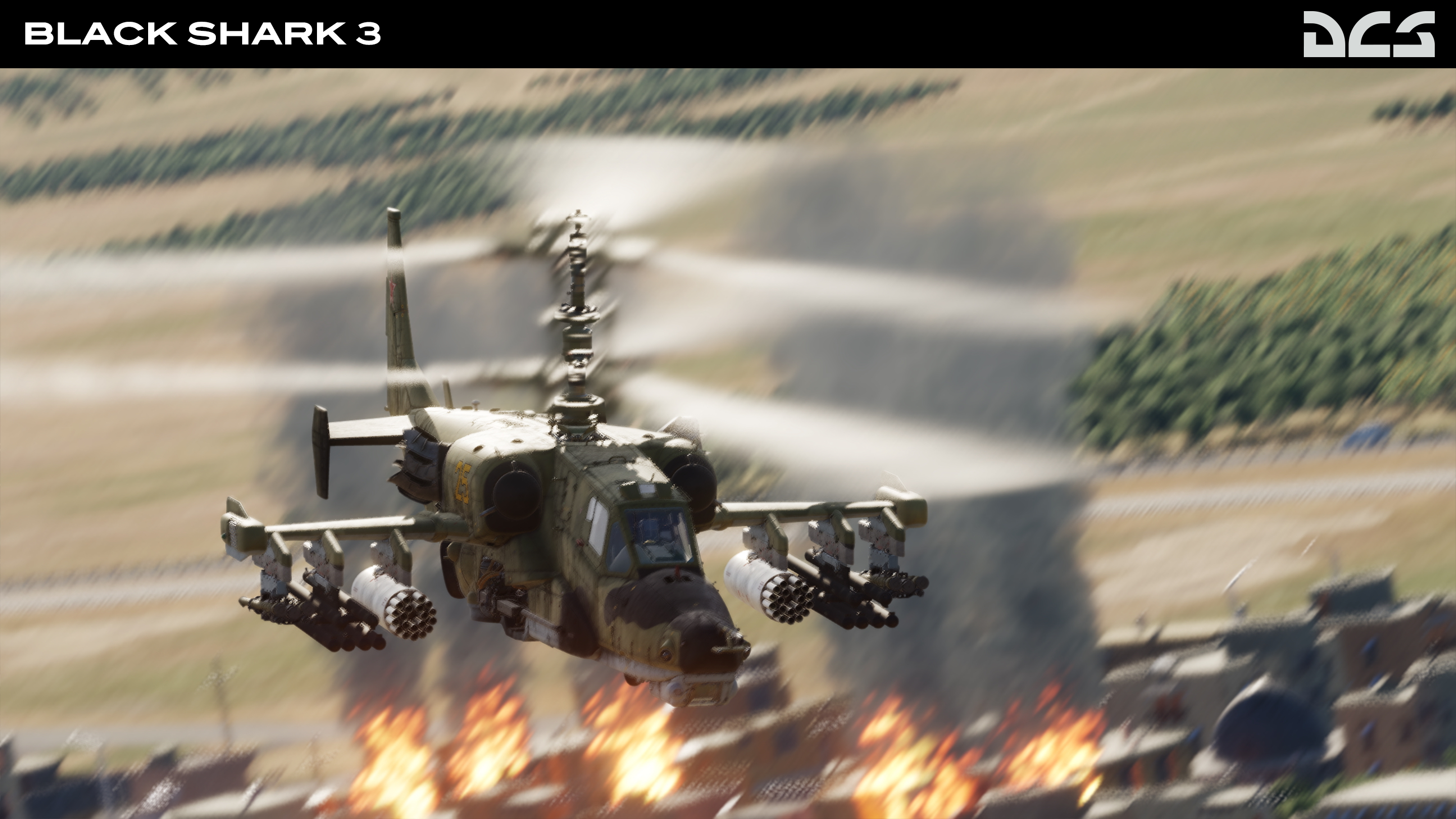
DCS: Black Shark 3 is a further development of the well-known Black Shark and Black Shark 2 projects, which are dedicated to the Russian Ka-50 attack helicopter.
The Ka-50 is the world's only single-seat coaxial combat helicopter. It can effectively perform anti-tank missions, provide close air support and hit point targets on the battlefield with a wide range of weapons.
The Black Shark 3 version implements new functionality such as: Igla air-to-air missiles, which significantly expand the air-to-air capabilities and a new defence system that detects missiles launched at the helicopter. Also, for the first time in DCS, a physical model of the Inertial Navigation System (INS) has been implemented with all features including: alignment before the flight, drift error accumulation and the ability to correct according to preset fixpoints.
DCS: East Afghanistan area: 650097 km2
10 highly detailed airfields
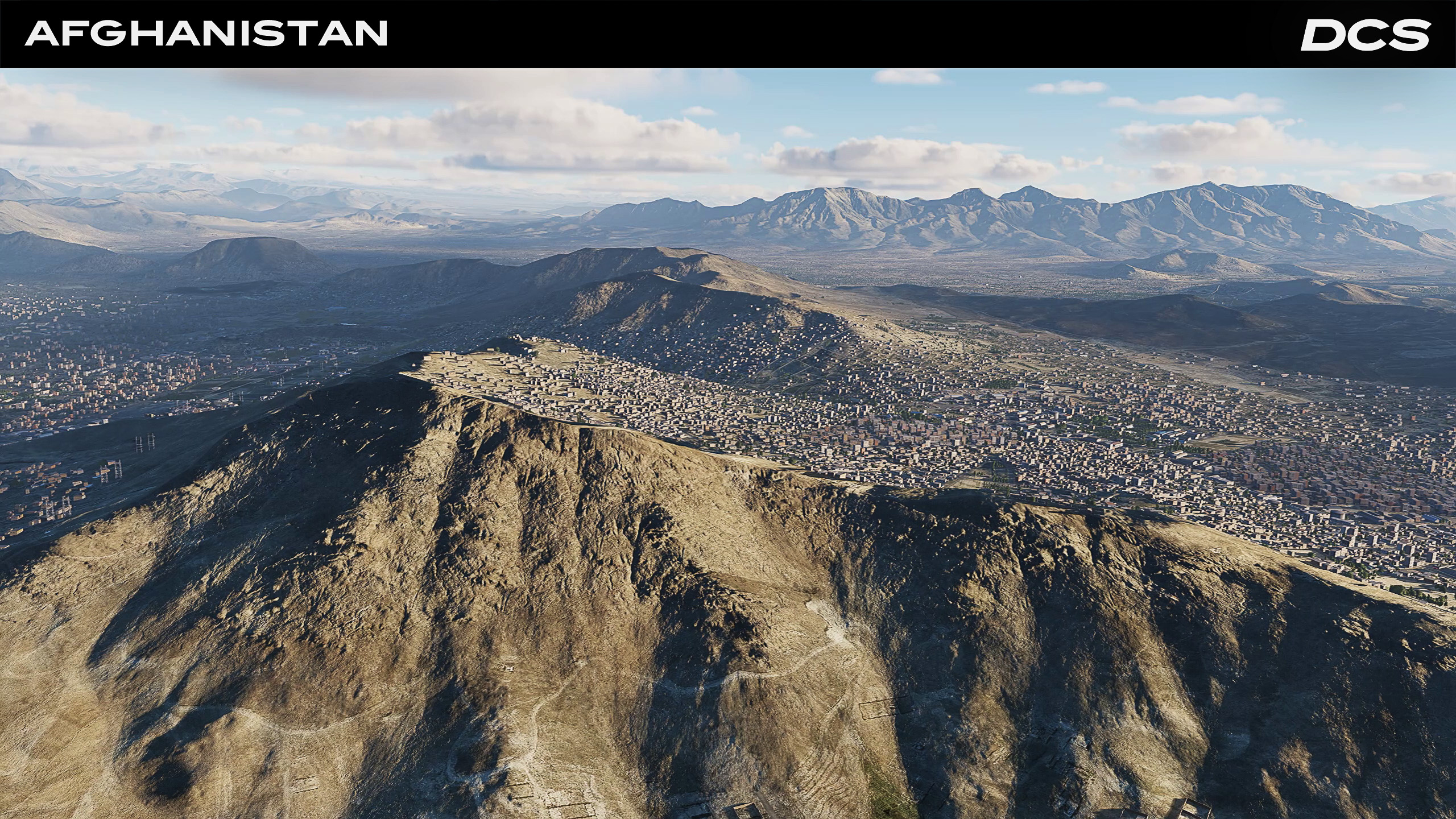
DCS: East Afghanistan is characterised by its mountainous terrain interspersed with agricultural areas around Bagram and along waterways. Kabul, the capital and largest city in Afghanistan, includes several points of interest like hospitals, historical sites, monuments, and neighborhoods. The Eastern region also includes urban areas of Bagram, Gardez, Jalalabad, and Khost and 10 highly-detailed and accurate airfields:
Flexible purchase options provide customers the choice of purchasing one or more of three regions of Afghanistan Southwest, East and North. Each region will be released in stages. The North Afghanistan region will be our next focus in parallel with continued improvements to the Southwest and East regions. Alternatively, you may purchase the entire DCS: Afghanistan map that will update with each region’s release and updates.
20 years of the War on Terror and the Soviet operations of the 1980s place Afghanistan as one of the most important combat theatres of the past half century. Few war zones have ever seen more A-10C, AH-64D, F-16C, F/A-18C, CH-47F, Mi-24P, Mi-8MTV2, and Su-25 sorties than this.
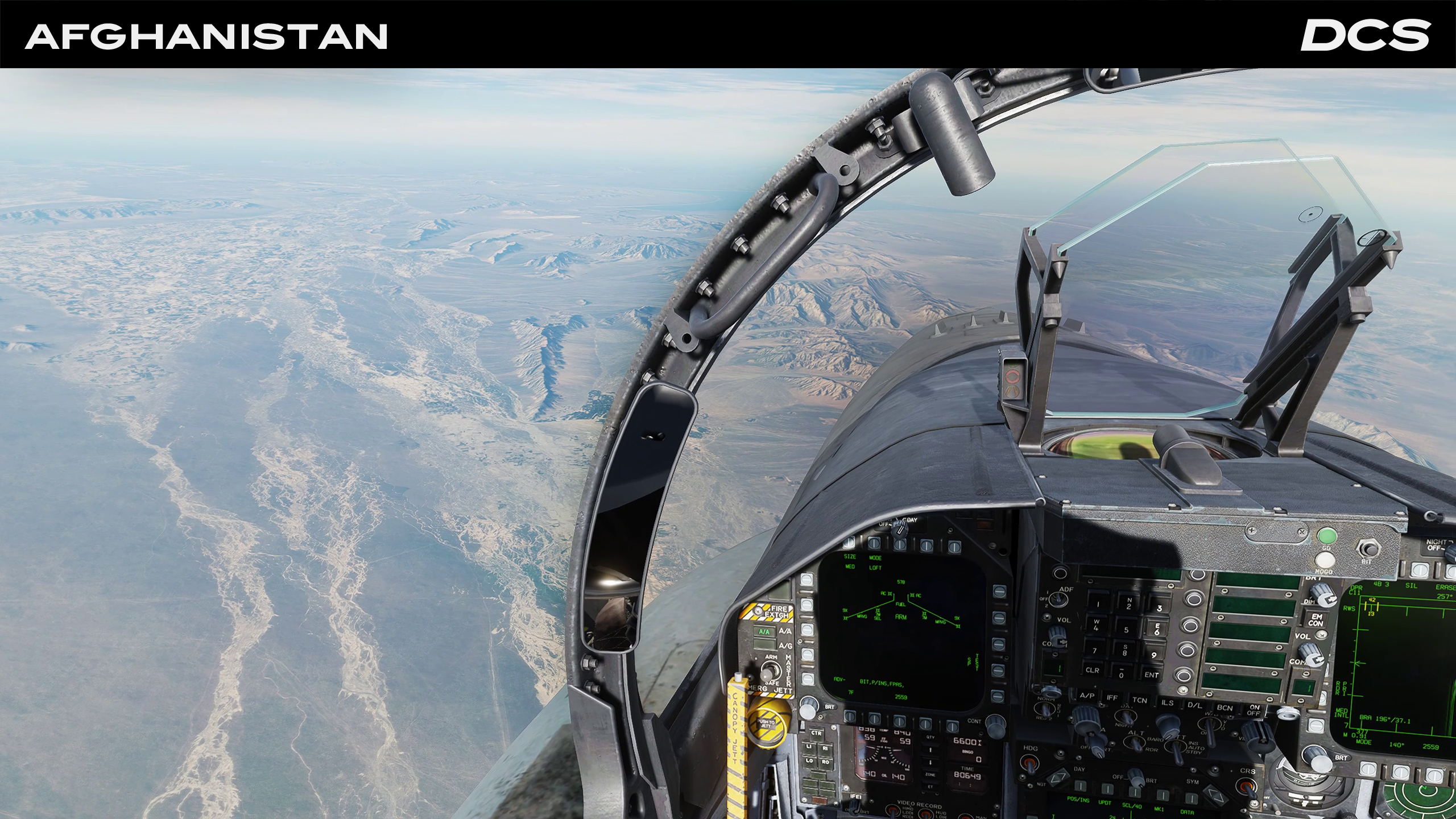
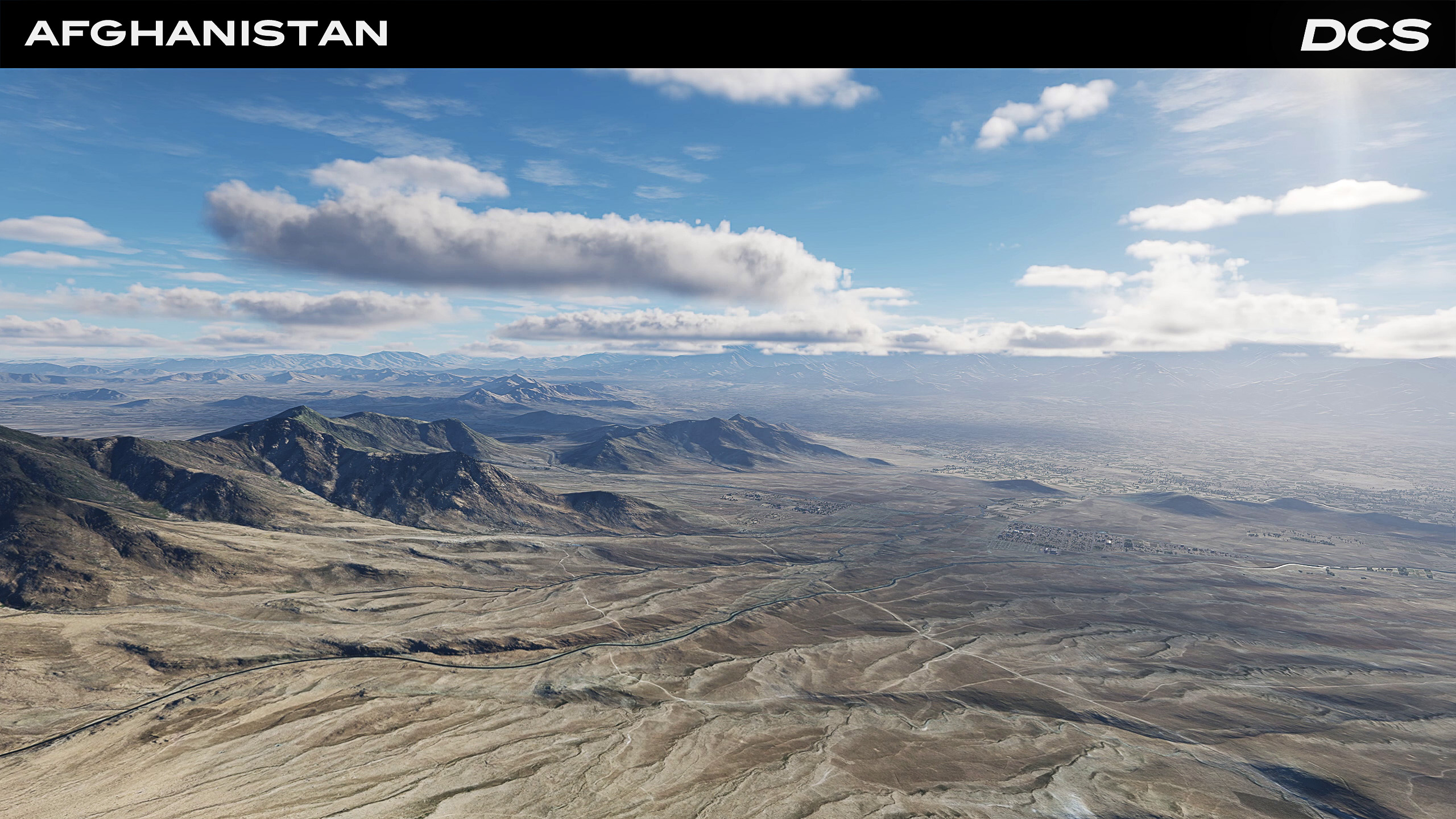
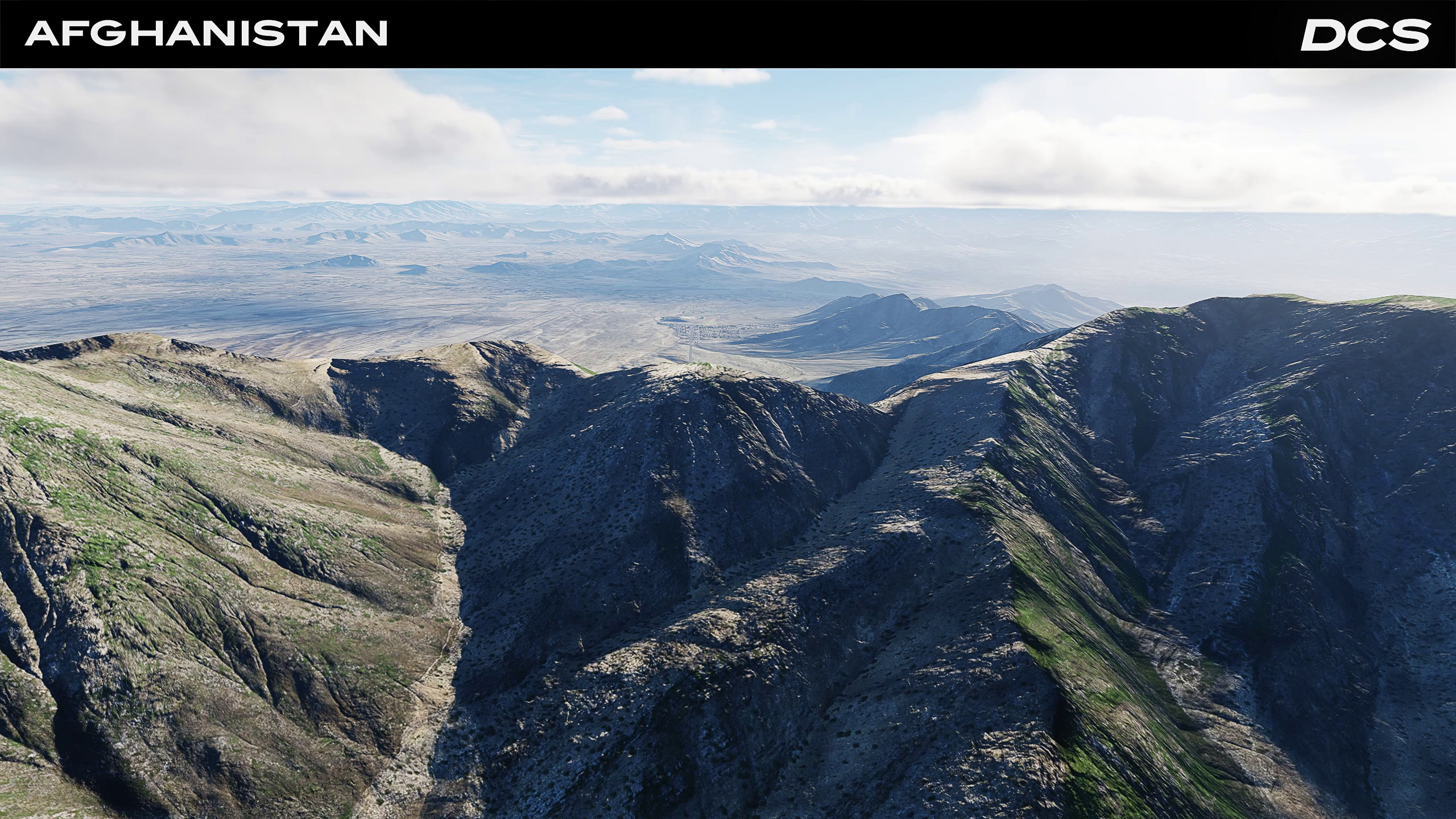
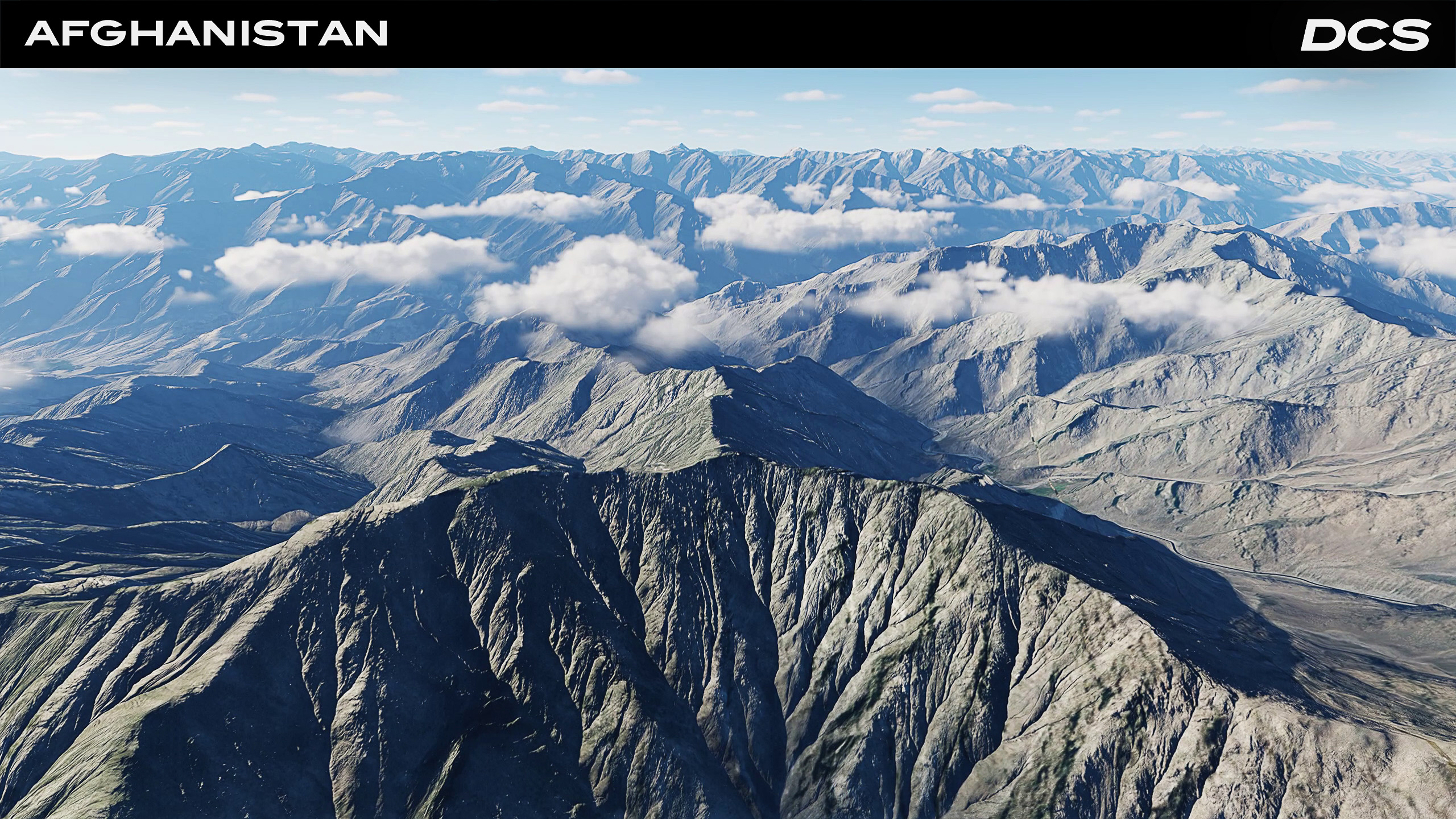
The Afghanistan map includes the rugged mountain ranges of the Hindu Kush, the vast deserts of the Dasht-e Kavir and Dasht-e Lut, and the fertile valleys and river basins. High-resolution aerial imagery has been utilised to enhance the realism and accuracy of the map. Great efforts have been dedicated to accurately portraying the unique cultural and urban features of Afghanistan. The map features detailed modelling of rivers, roads, vegetation, rocks, small stones, ground clutter, and geological formations enhance immersion and realism at low altitude. Extensive testing and optimization have been conducted to ensure optimal performance and compatibility with a wide range of hardware configurations.
Please keep in mind that even if you purchase only one region, you will still be able to play online across the whole map with your friends. Only the non-purchased regions will be in lower detail. Read the Afghanistan FAQ.
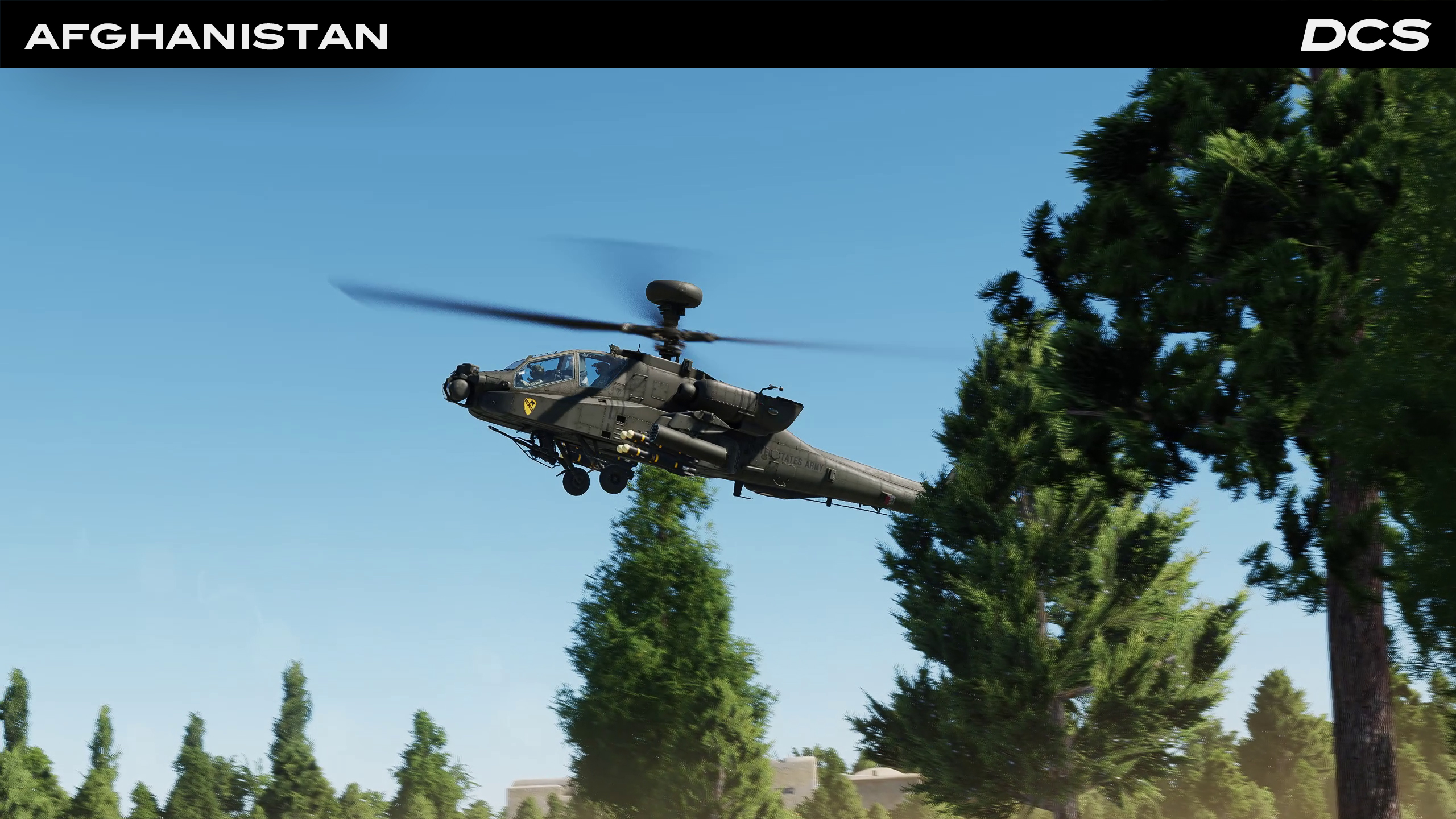
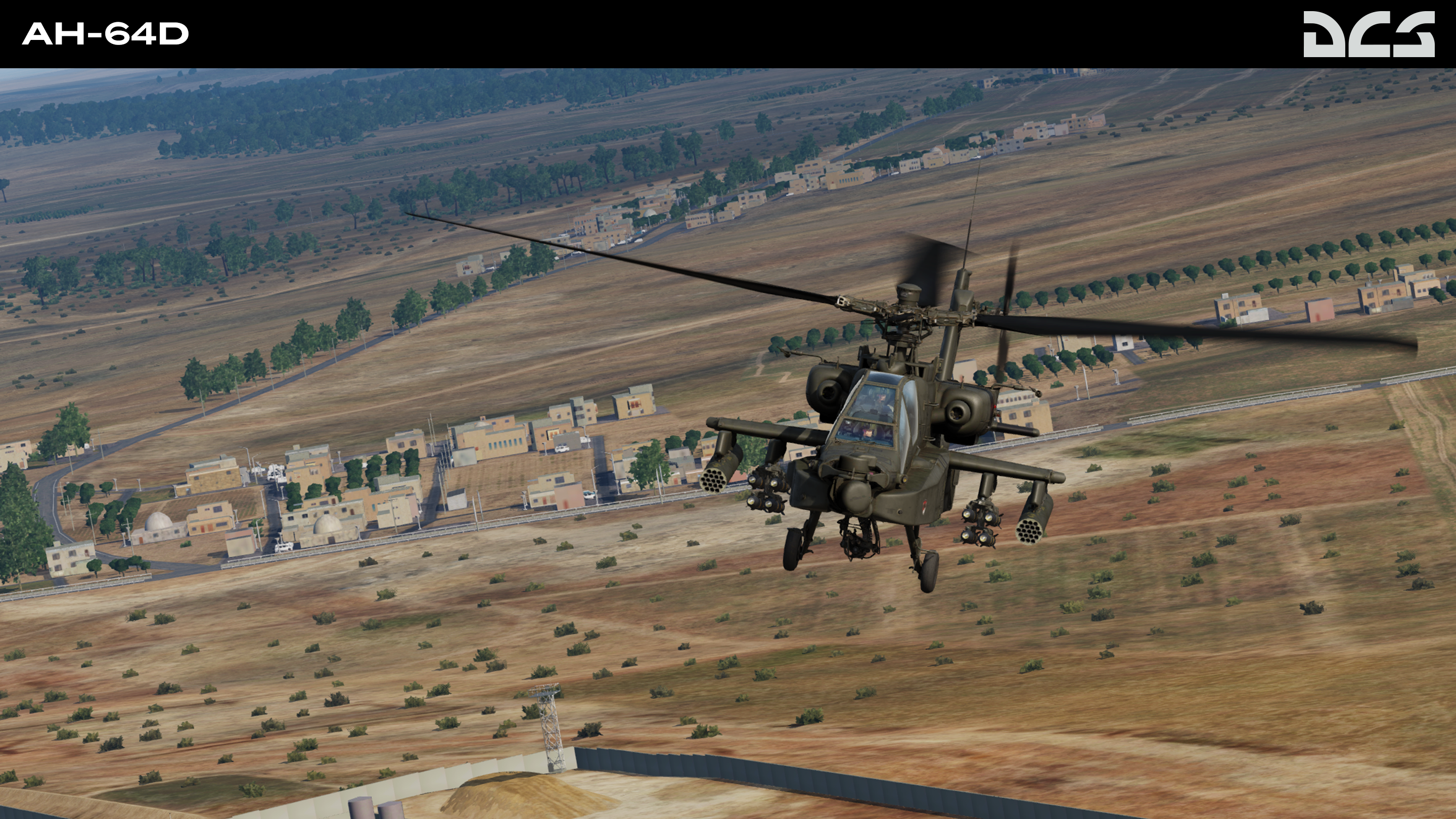
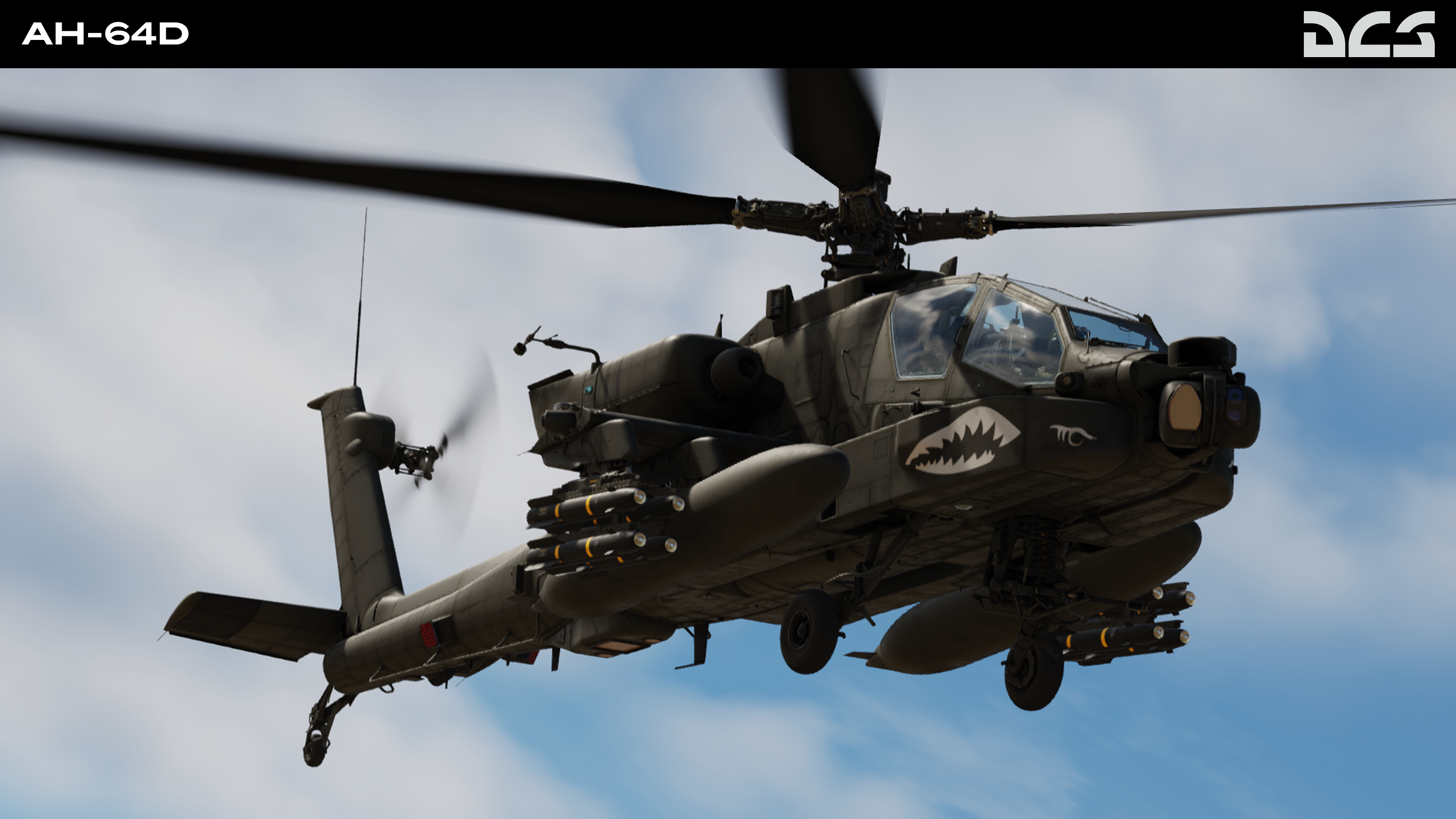
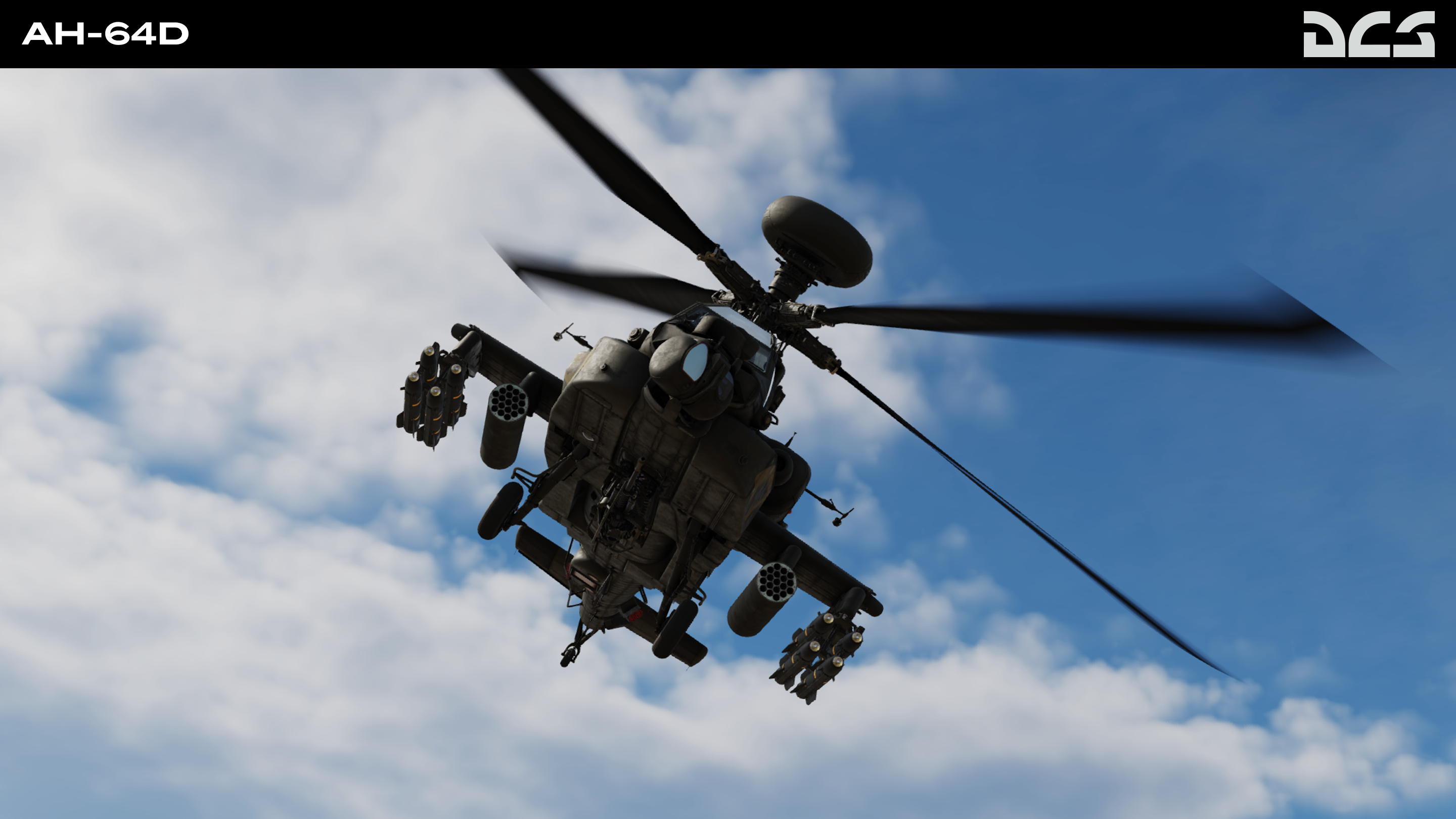
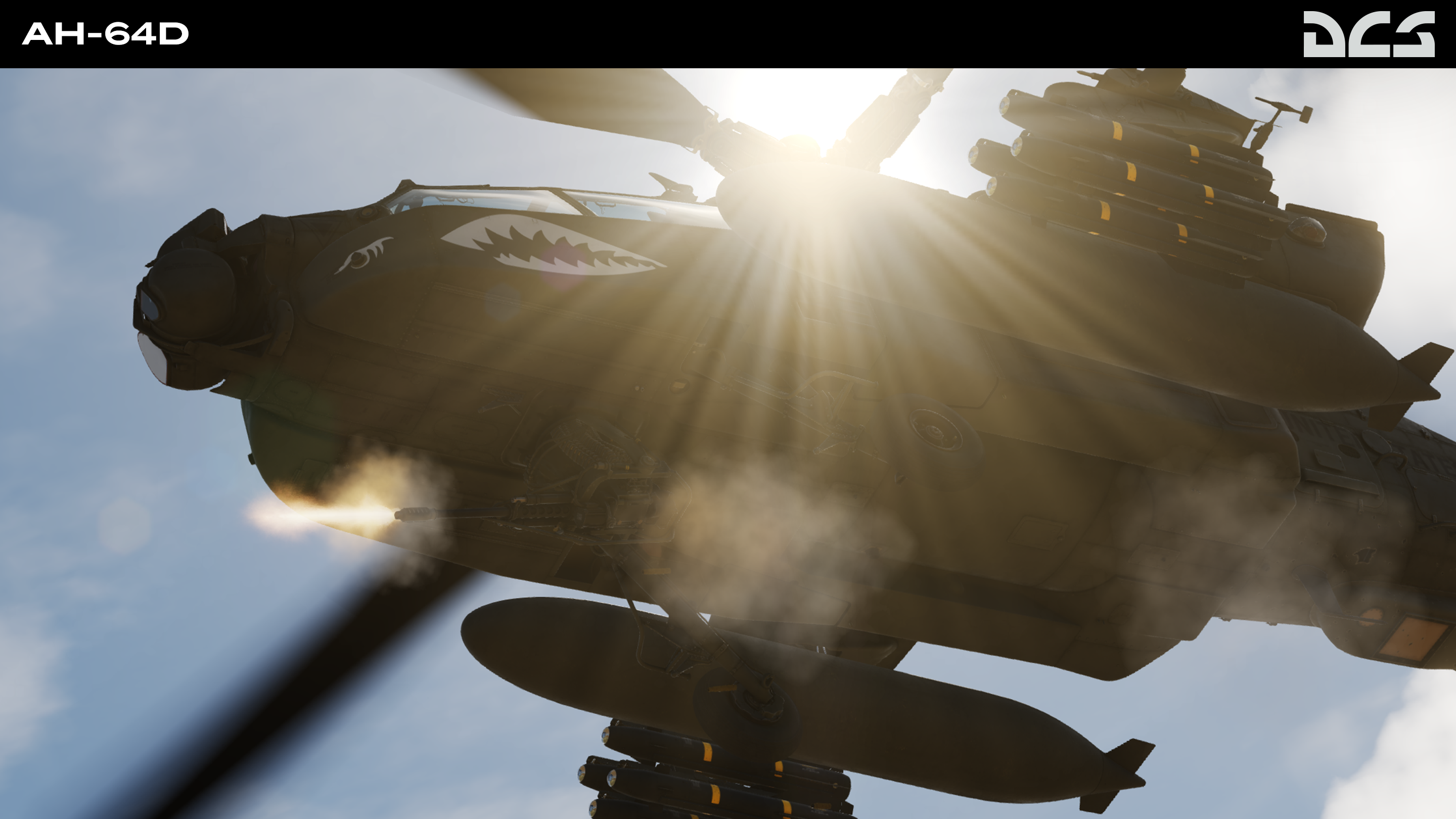
The AH-64 was first deployed in 1986 and some 2400 have been delivered. The AH-64D served as the backbone of the U.S. Army attack helicopter force since 2003. Based on the AH-64A, the “Delta” version is a tandem-crewed helicopter with the pilot in the back seat and the co-pilot/gunner (CP/G) in the front. Armed with a 30mm Chain Gun under the nose, Hellfire missiles and 2.75” rockets on the stub wings, the AH-64D proved its mettle in Iraq and Afghanistan against a wide array of threats.
The aircraft is powered by two T-700-GE-701C engines, and enjoys provisions for both external and internal/supplemented fuel tanks for long mission duration. Protecting the crew stations and critical elements, the AH-64D is designed to be capable of sustaining small to medium-caliber fire. The Aircraft Survivability Equipment (ASE) system includes missile, laser, and radar warning sensors, a radar jammer, and expendable countermeasures.
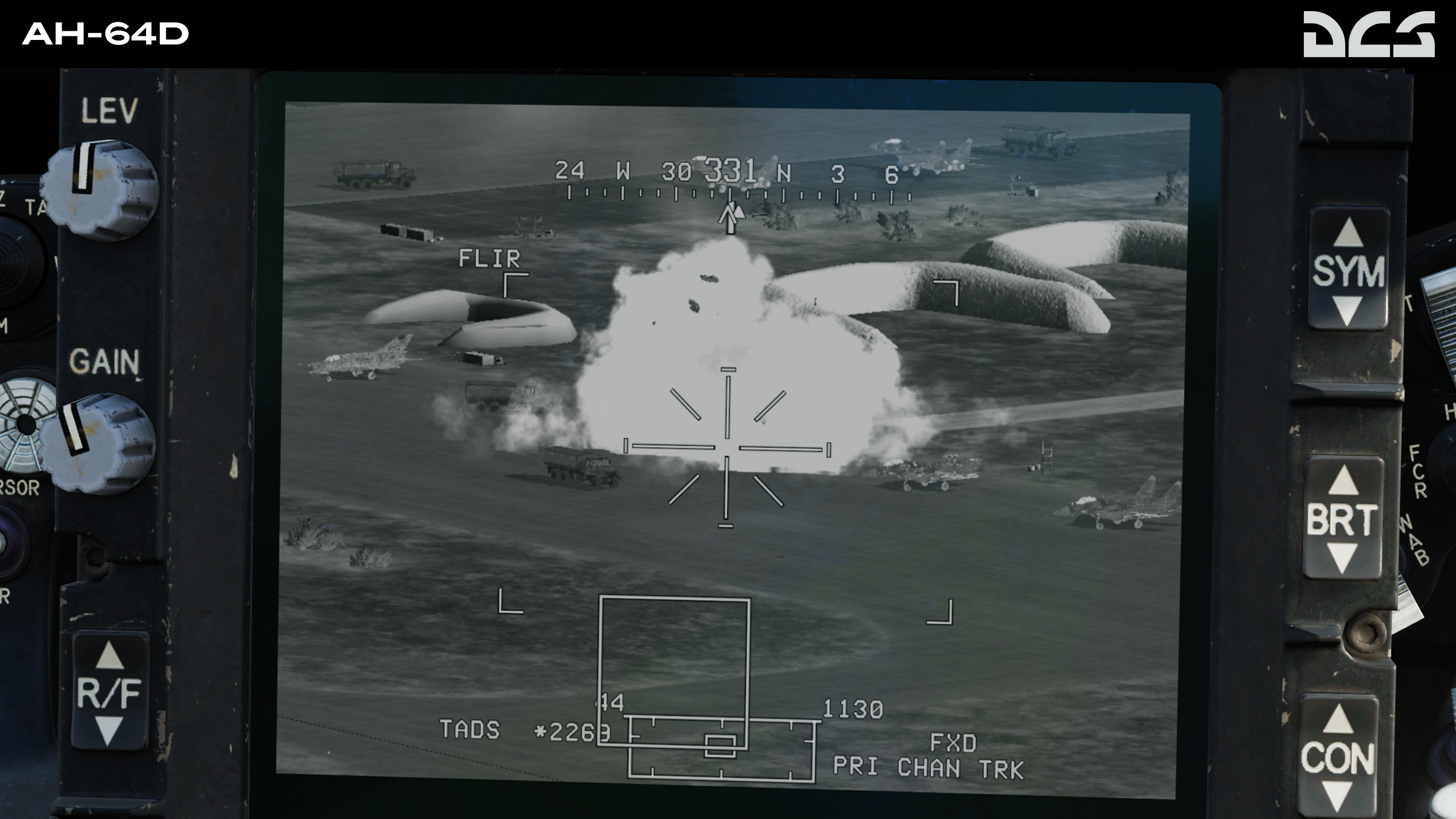
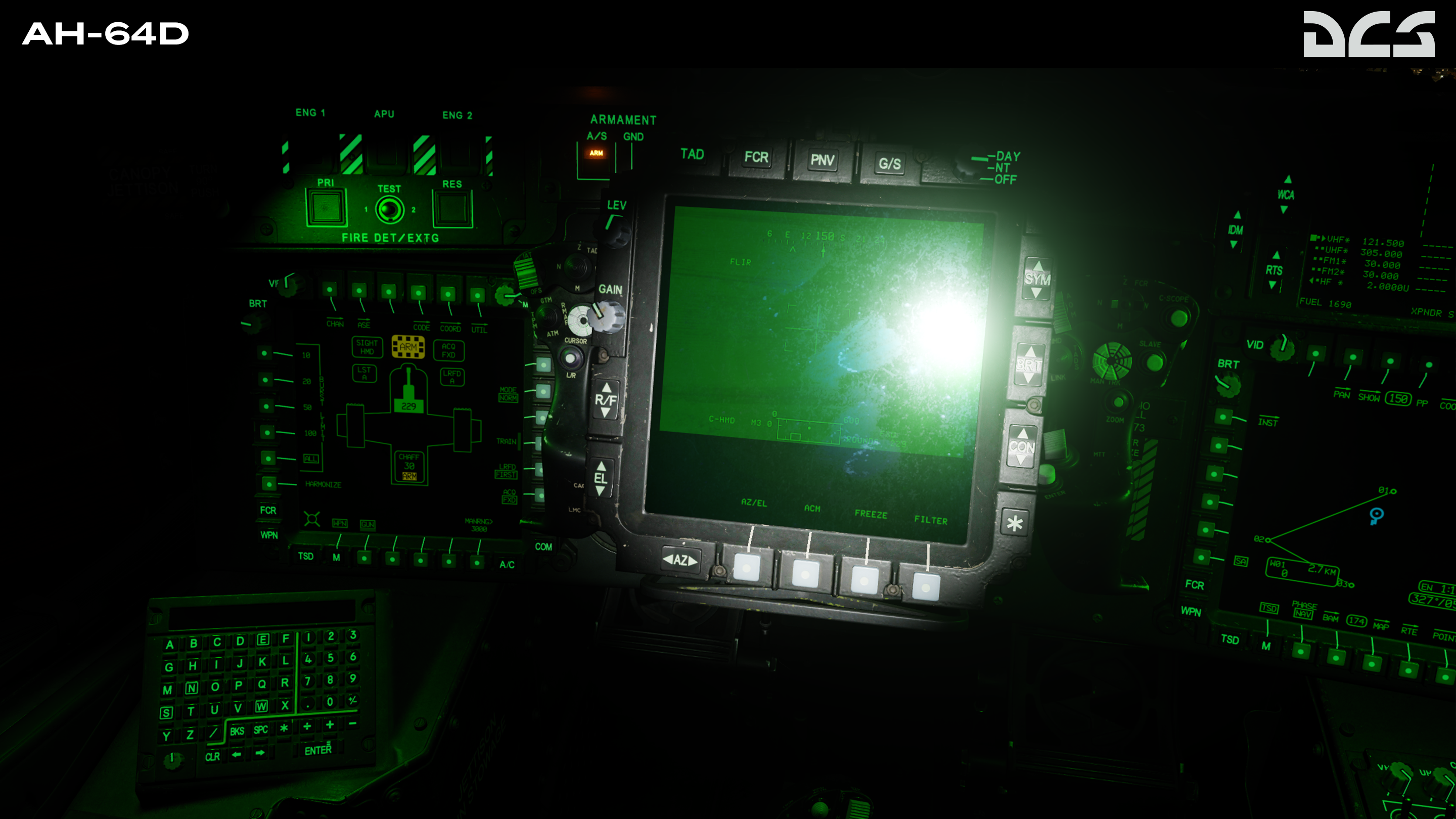
The AH-64D is a very capable platform at night thanks to the Pilot Night Vision System (PNVS) and an advanced Forward Looking Infrared (FLIR) sensor that is part of the Target Acquisition and Designation Sight (TADS). AH-64D pilots are equipped with the Integrated Helmet and Display Sighting System (IHADSS) that projects flight, sensor, and weapon information to their right eye. They can simply look at a target to engage it.
In addition to the U.S. Army, AH-64D variants have also served with the United Kingdom, the Netherlands, Japan, Egypt, Greece, and more.
Later in development, our AH-64D will also be equipped with the Fire Control Radar (FCR) that will enable it to detect, classify, track, and engage both air and surface targets with radar-guided Hellfire missiles.
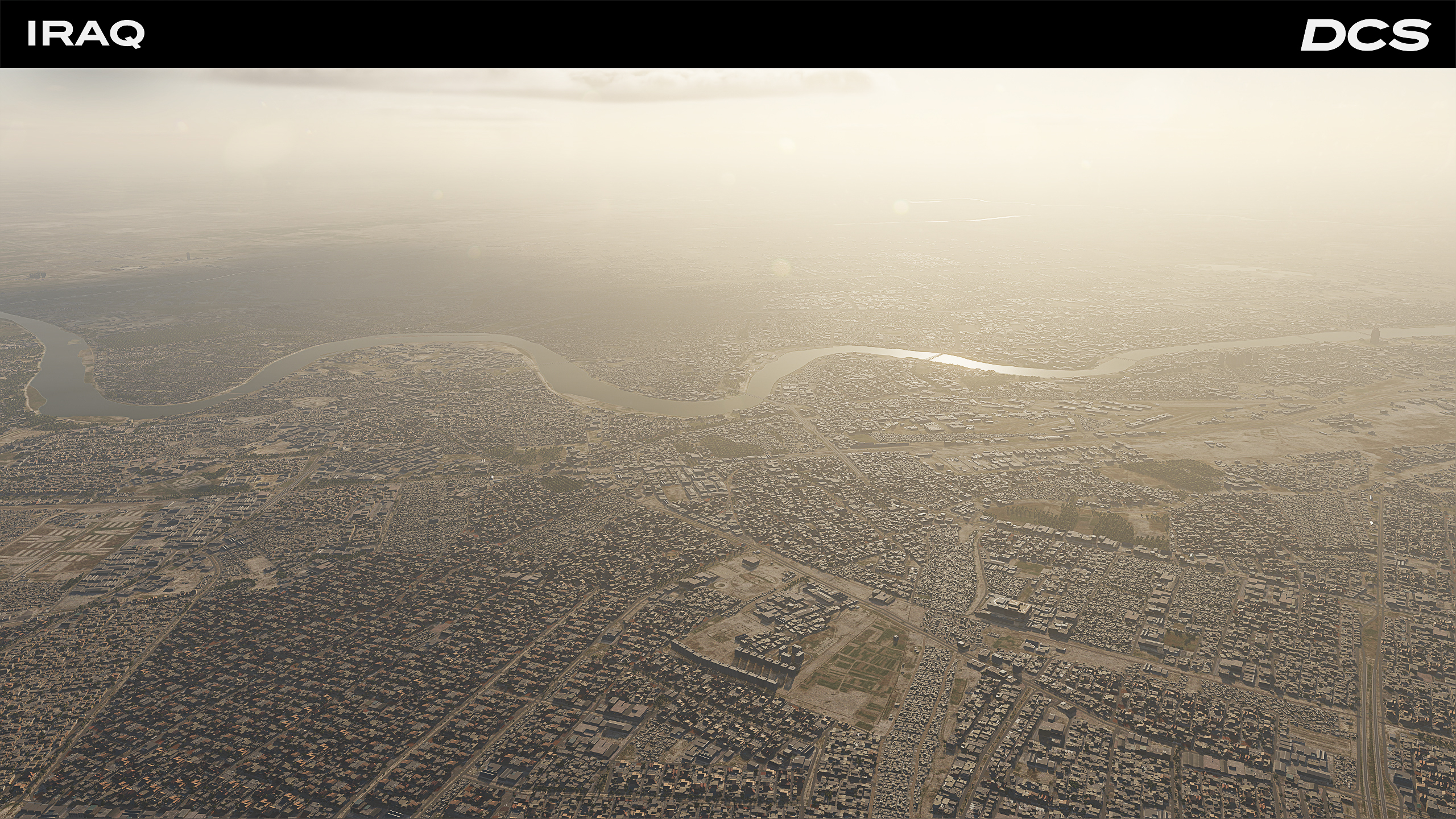
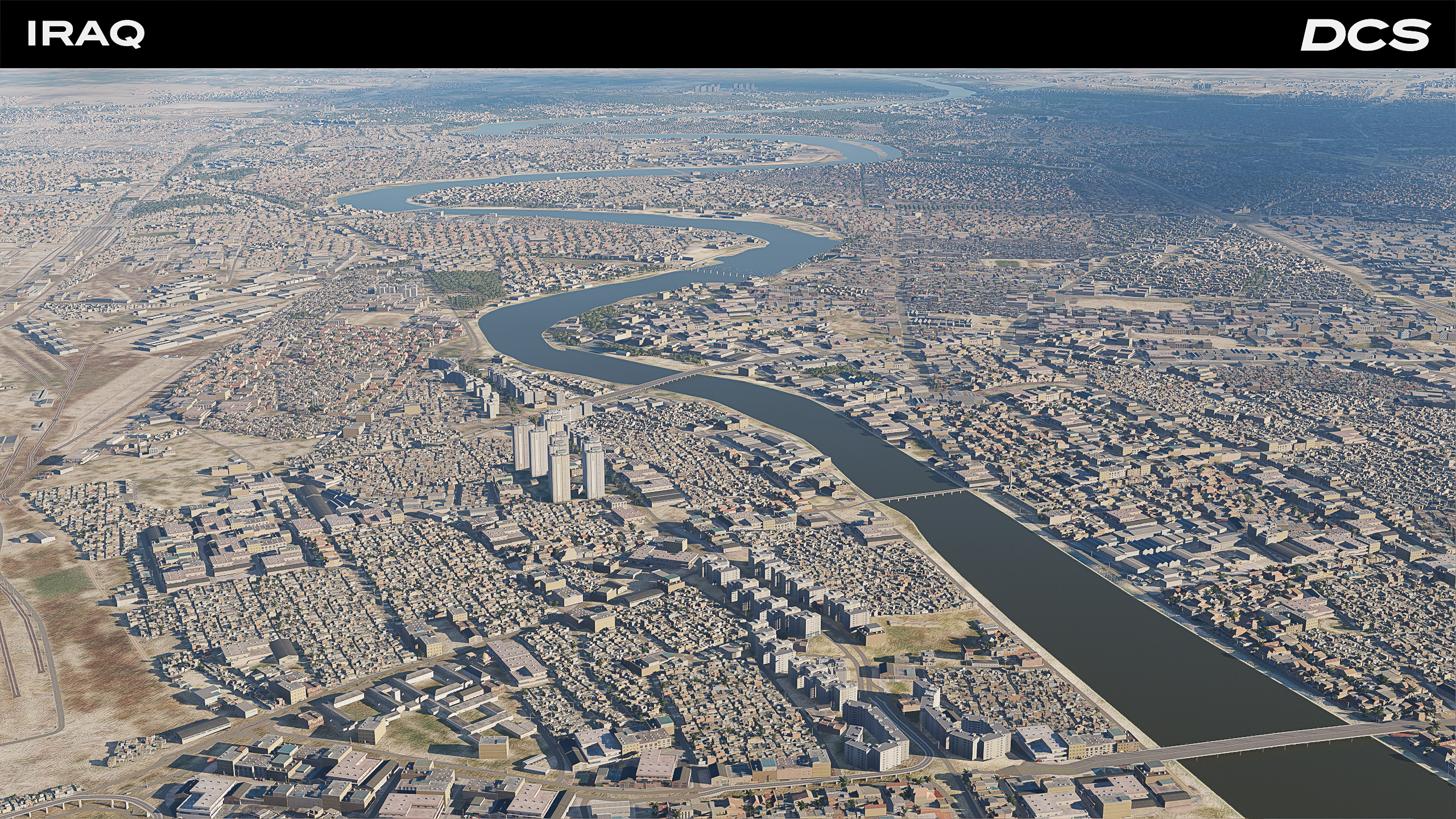
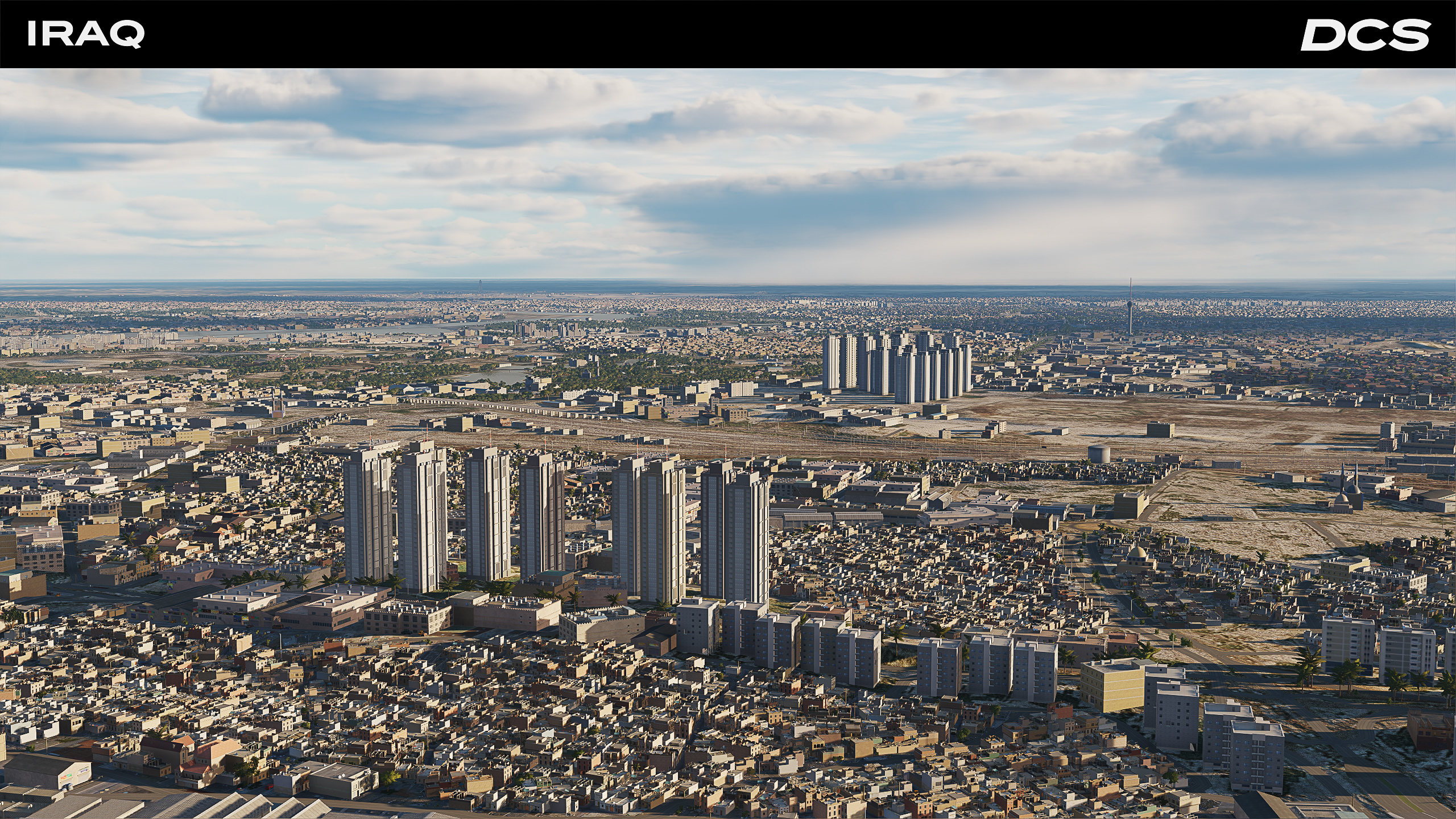
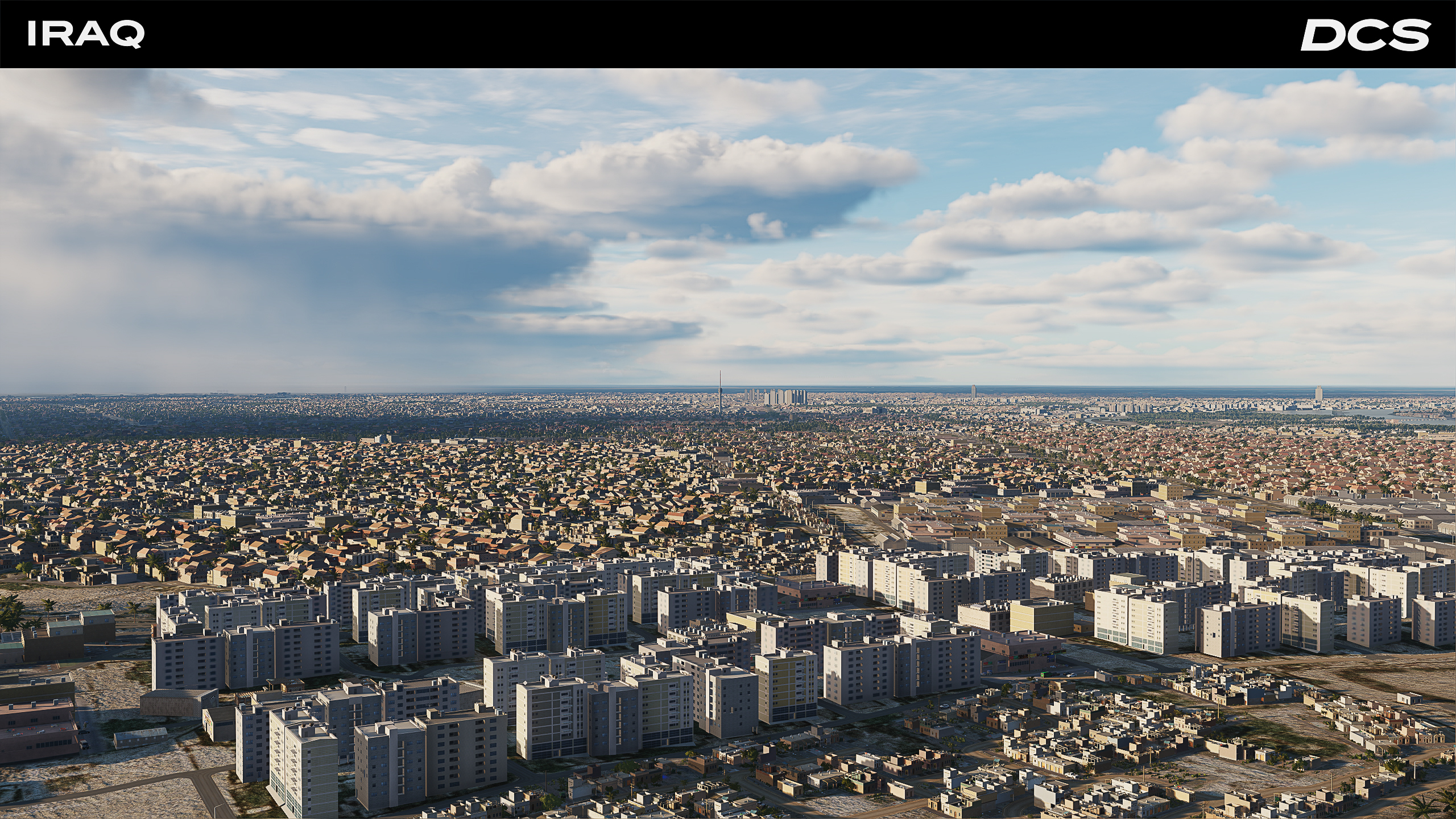
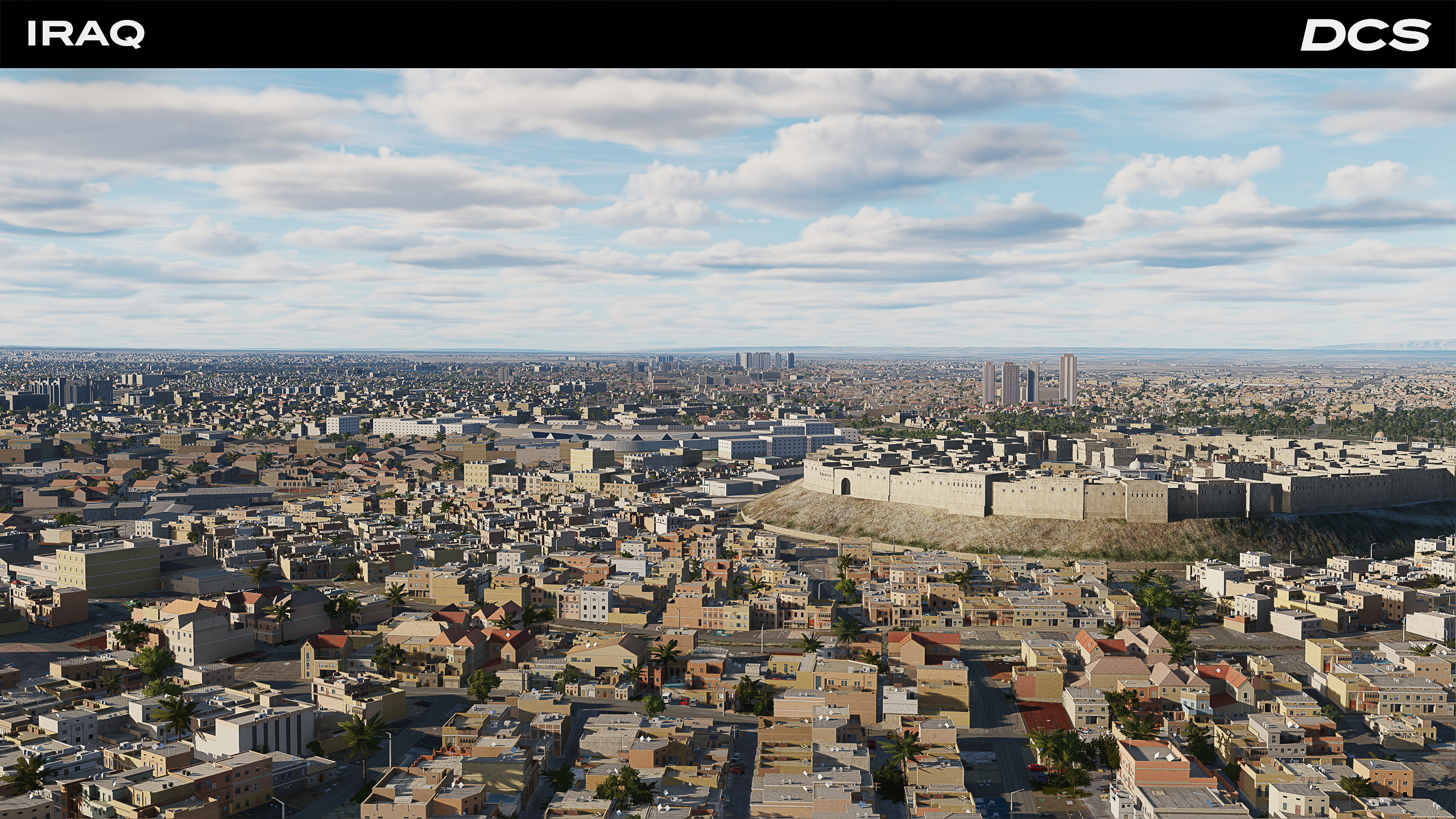
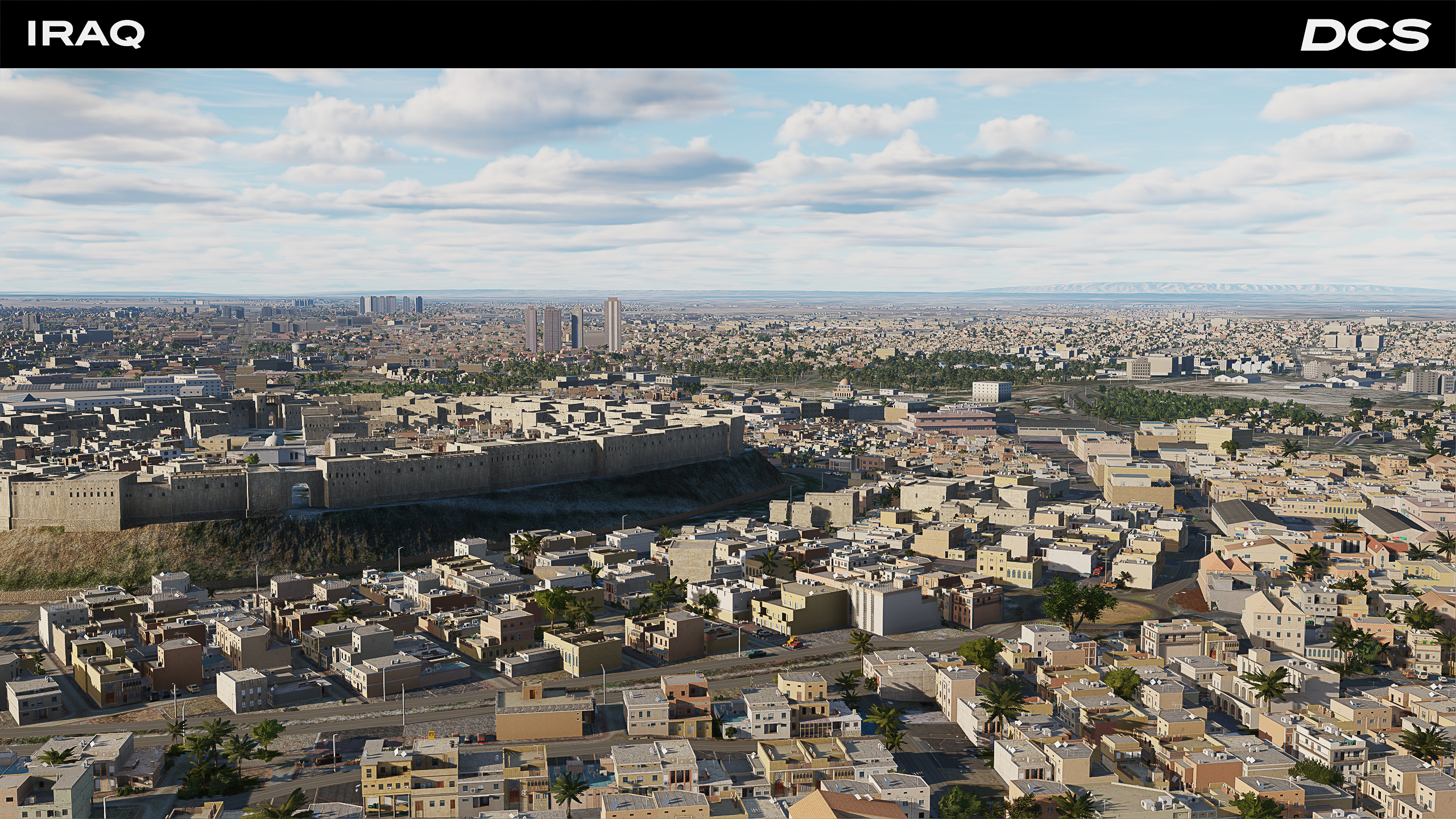
The DCS: Iraq area: 1 820 000 km2
28 highly detailed airfields
Experience the full scope of Iraq's diverse and historically rich environment with DCS: Iraq. Fly over the entire country, from the deserts of the south to the mountains of the north, and immerse yourself in a landscape that has been the backdrop for some of the most significant air campaigns in history.
With exclusive high-quality ground objects and textures, DCS: Iraq offers unparalleled realism and detail. Engage in extensive missions and campaigns that cover various historical periods, and take advantage of the enhanced environmental effects that bring the region to life like never before.
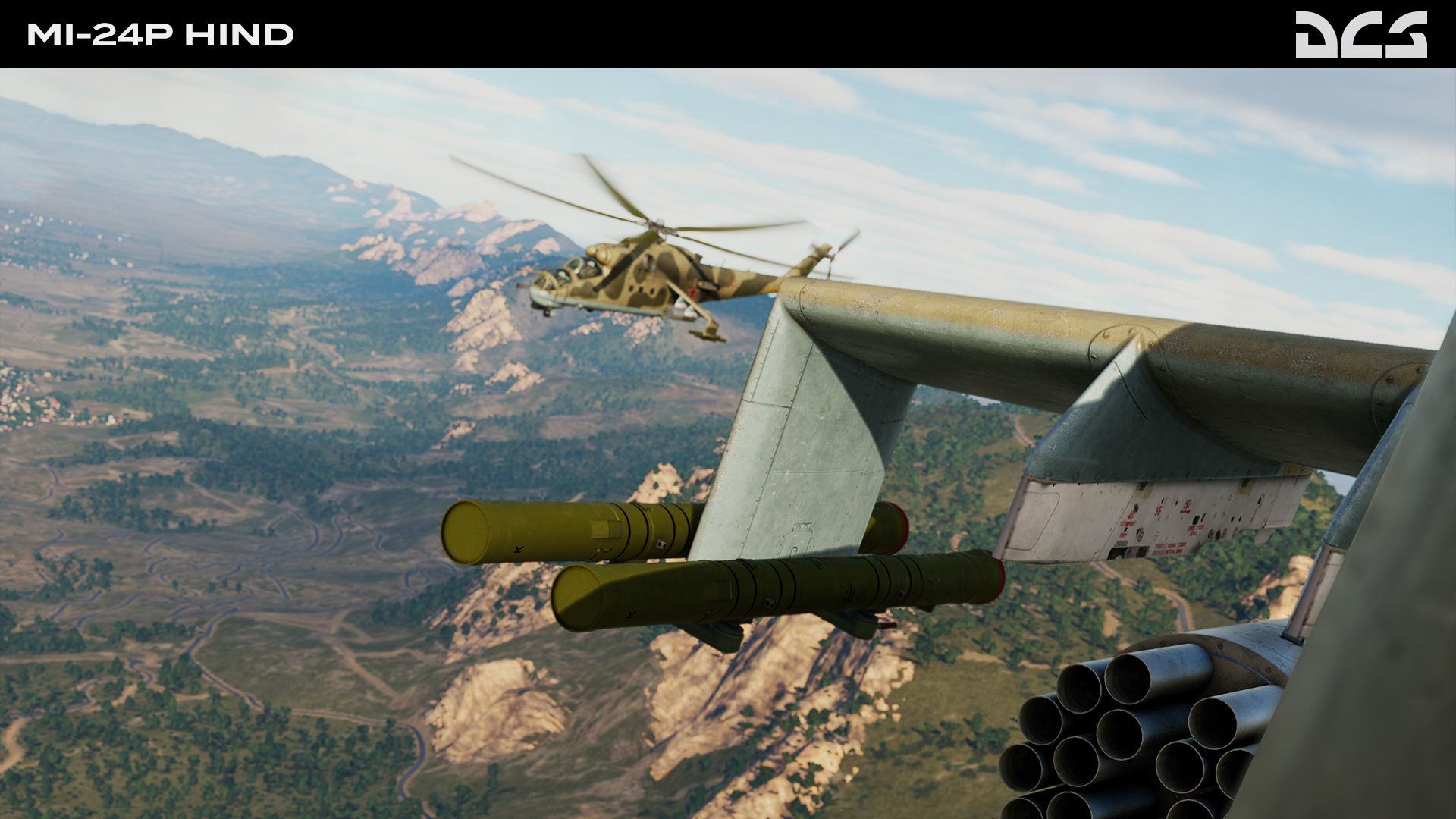
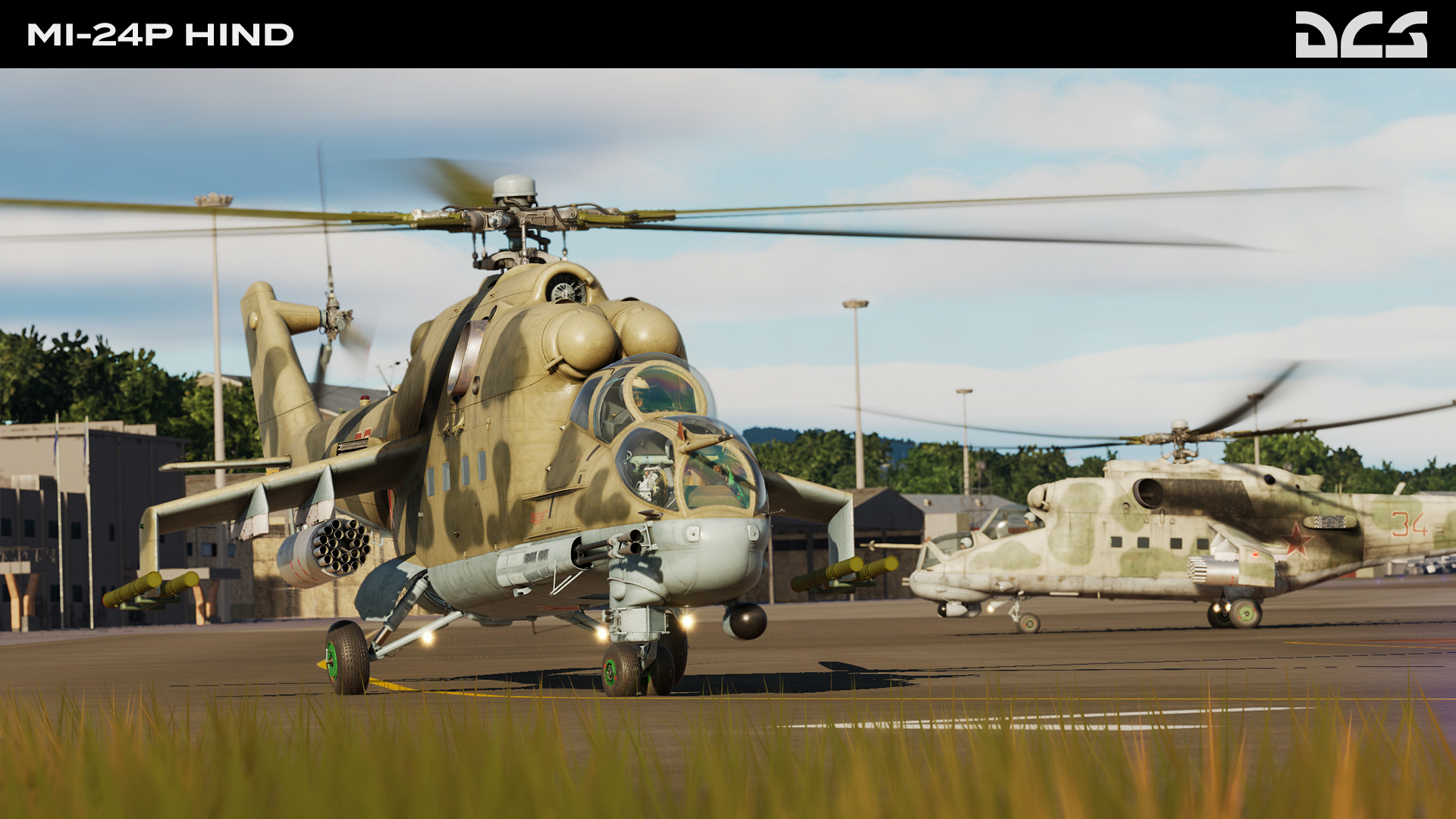
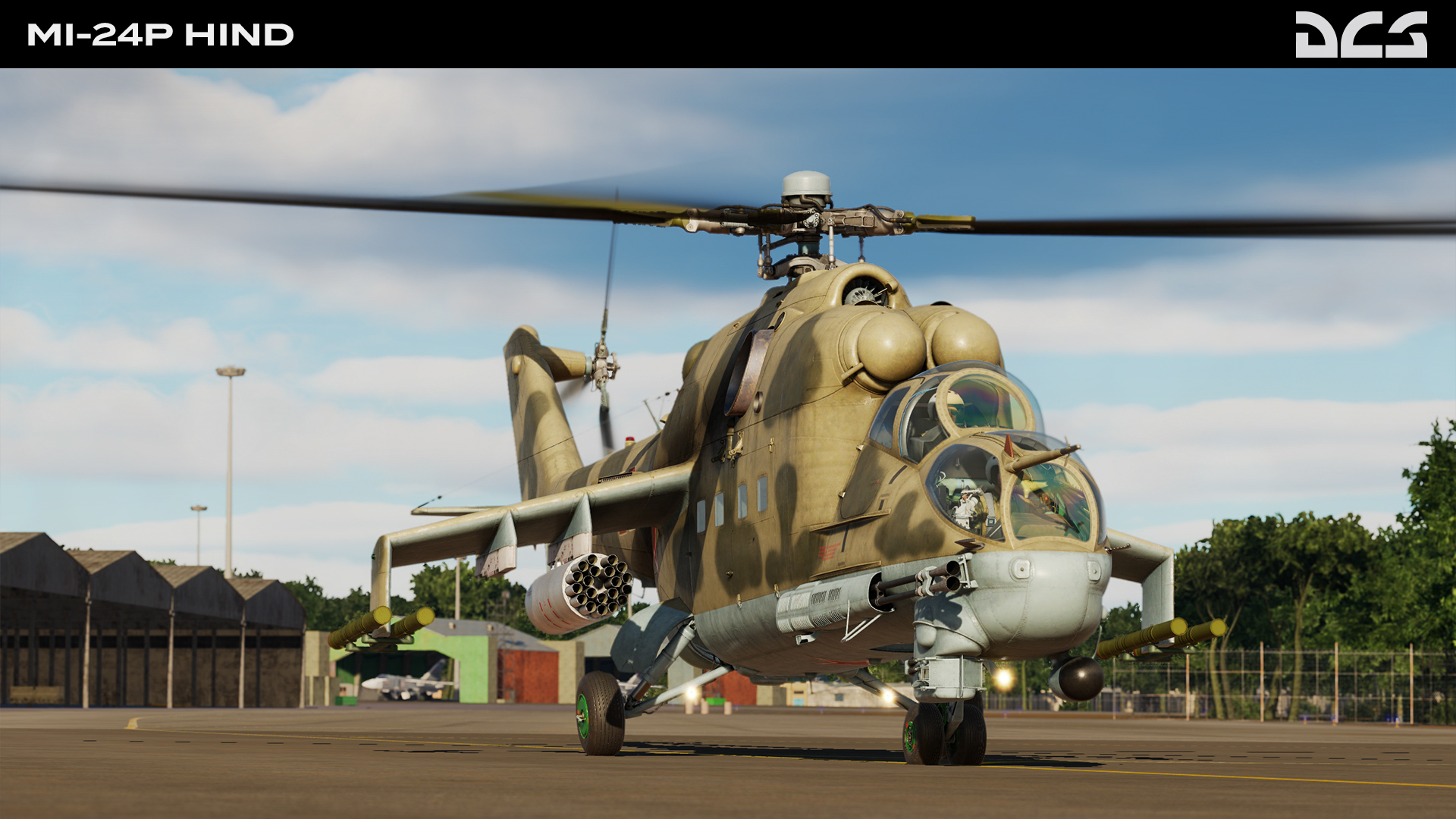
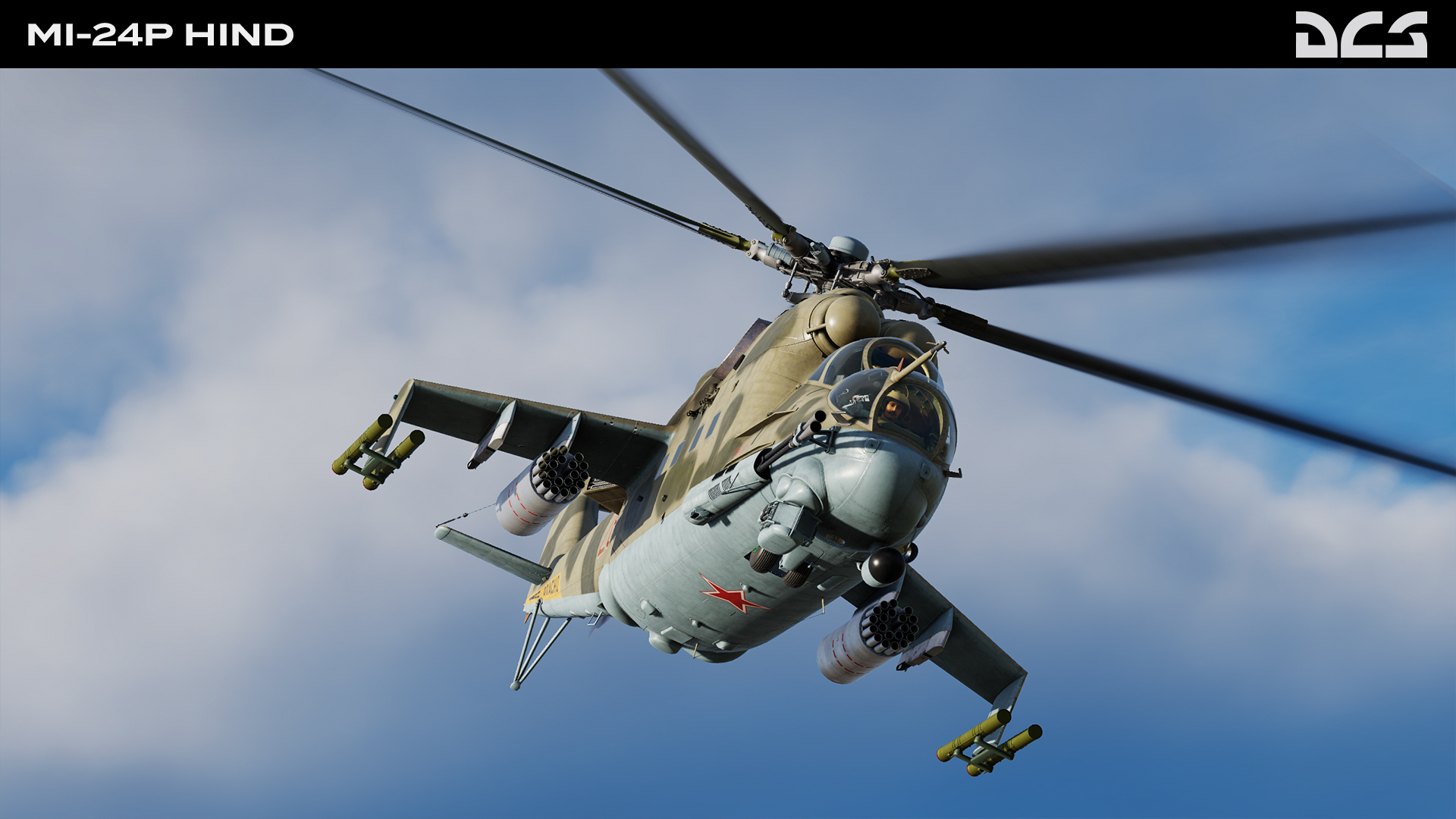
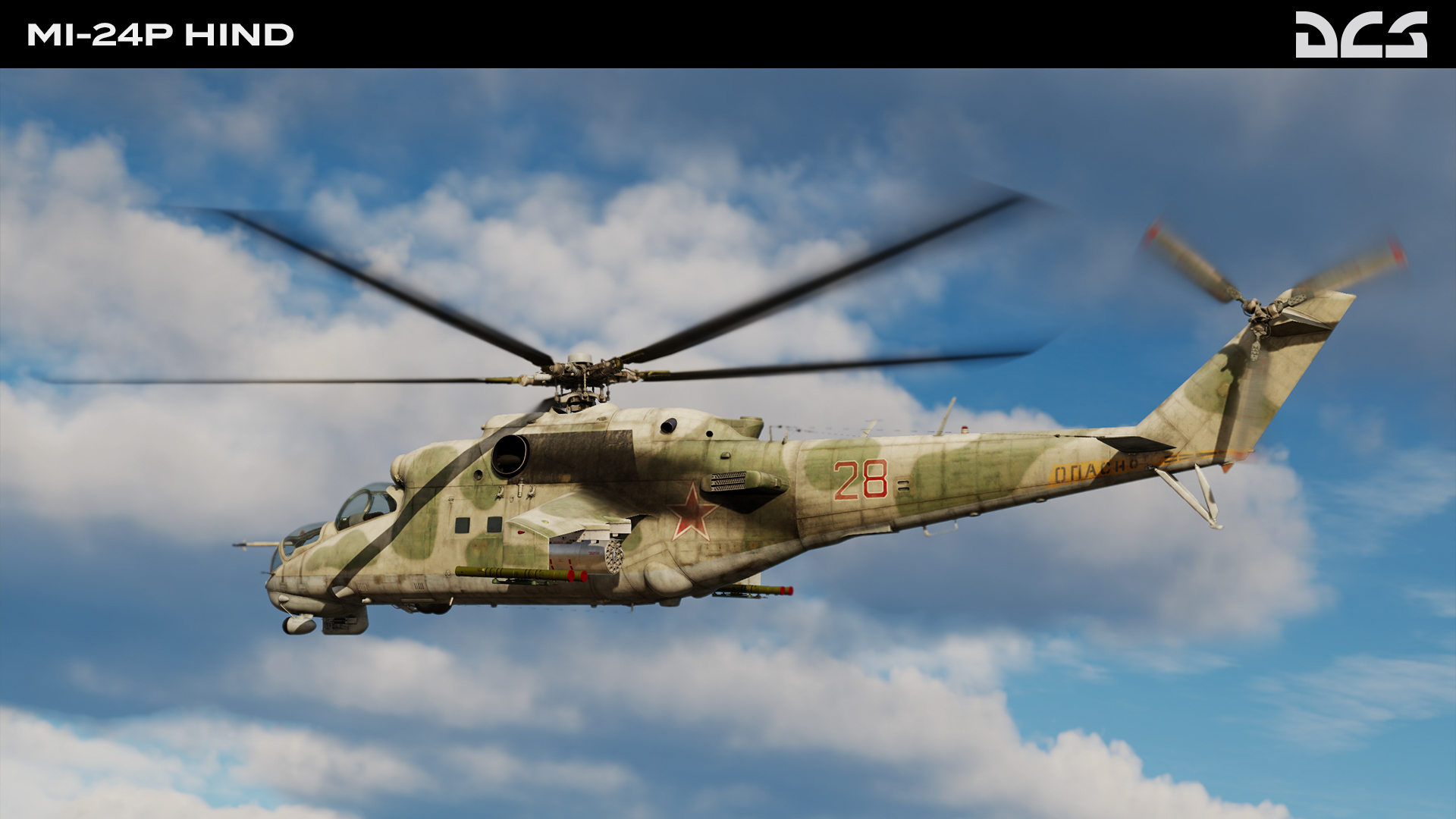
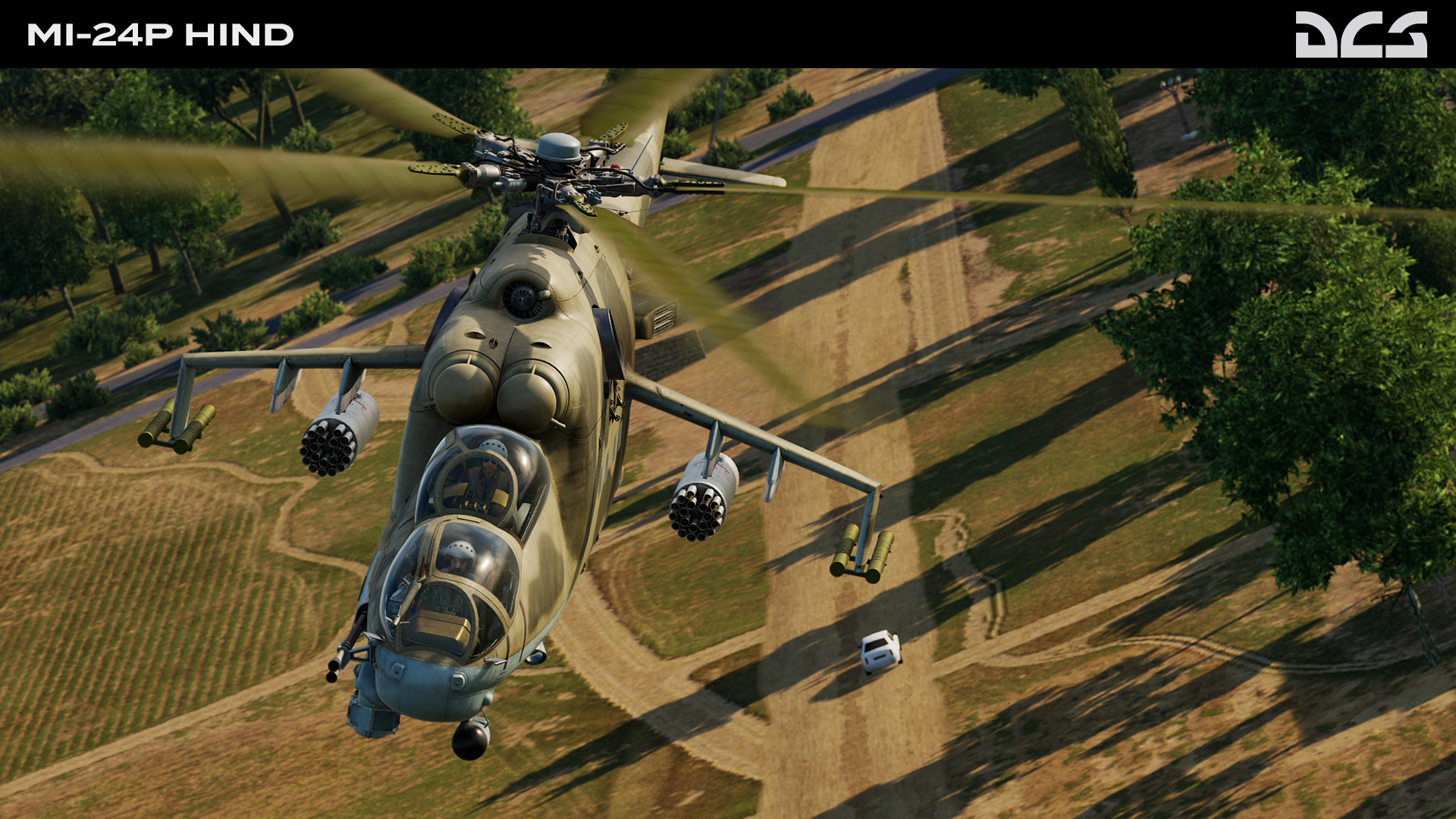
DCS: Mi-24P Hind is a simulation of the legendary Mi-24 attack helicopter developed in the USSR and first introduced operationally in 1972. It has seen extensive action over the past 40 years as an effective combat air support helicopter. Fast, reliable and loved by pilots, this incredible machine still serves in more than 50 countries!
The DCS: Iraq North area: 321 750 km2
13 highly detailed airfields
This is a region of the Iraq map. You can purchase the entire map here: DCS: Iraq.
Dive into the rugged terrains and historically significant regions of Northern Iraq. This module offers a richly detailed environment featuring the mountainous landscapes, rivers, and urban centres that have been central to numerous military operations. From the ancient city of Mosul to the oil-rich fields of Kirkuk, Northern Iraq presents a challenging and varied theatre.
Test your skills in navigation, combat, and tactical planning as you fly over a region that blends natural beauty with strategic importance. This is the perfect environment for an immersive experience to practise engaging in air-to-air combat or providing support to ground forces.
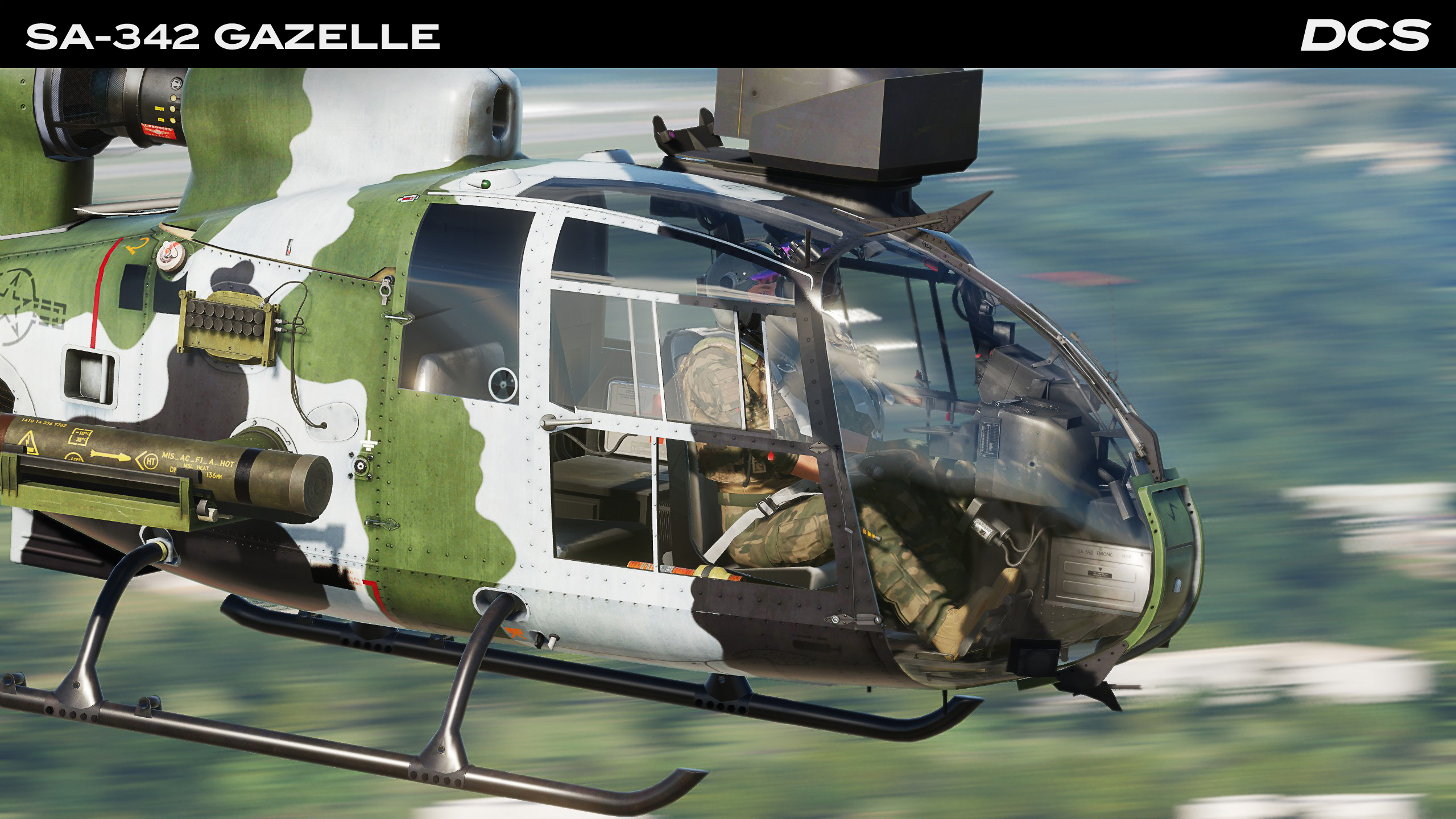
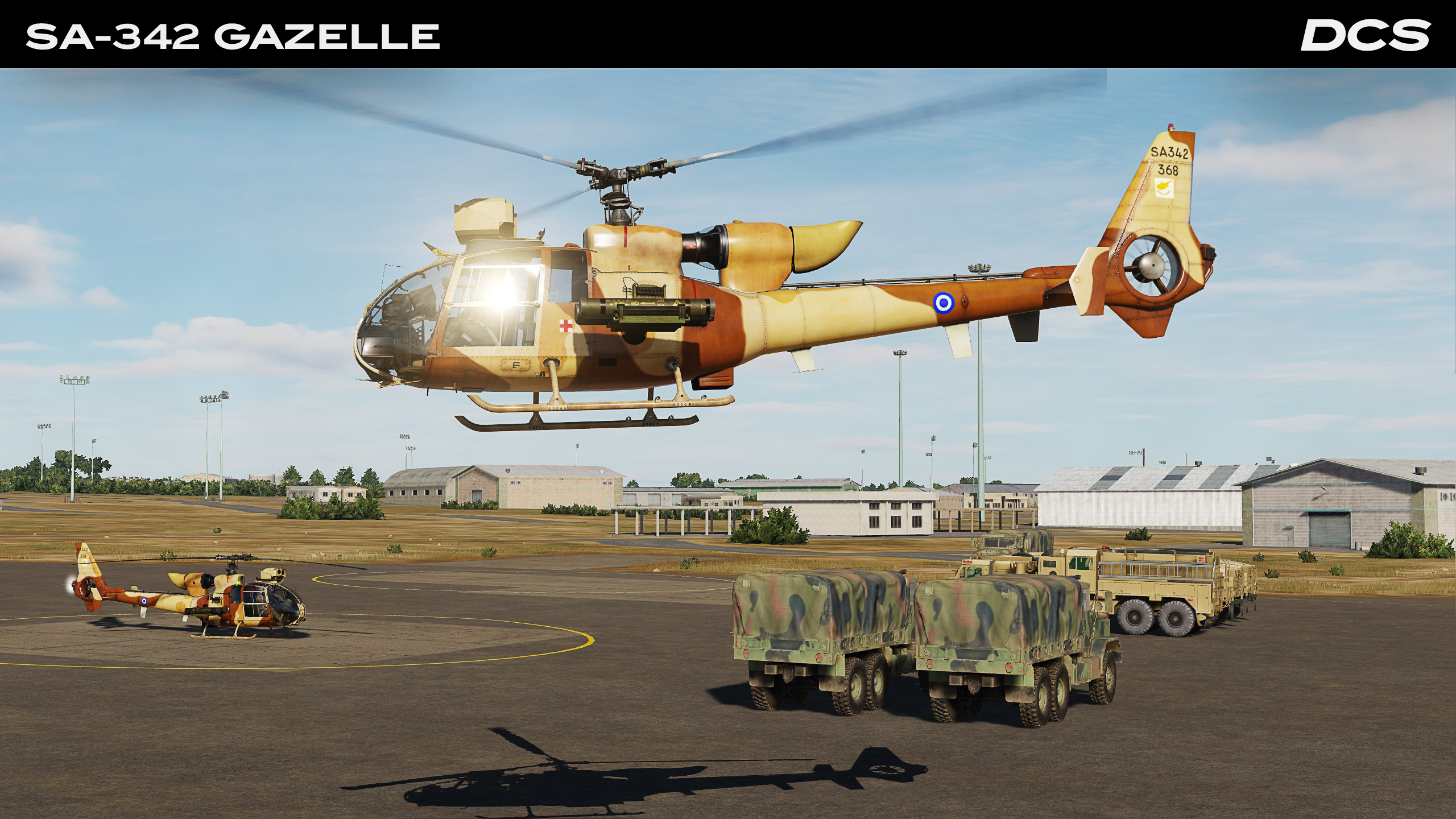
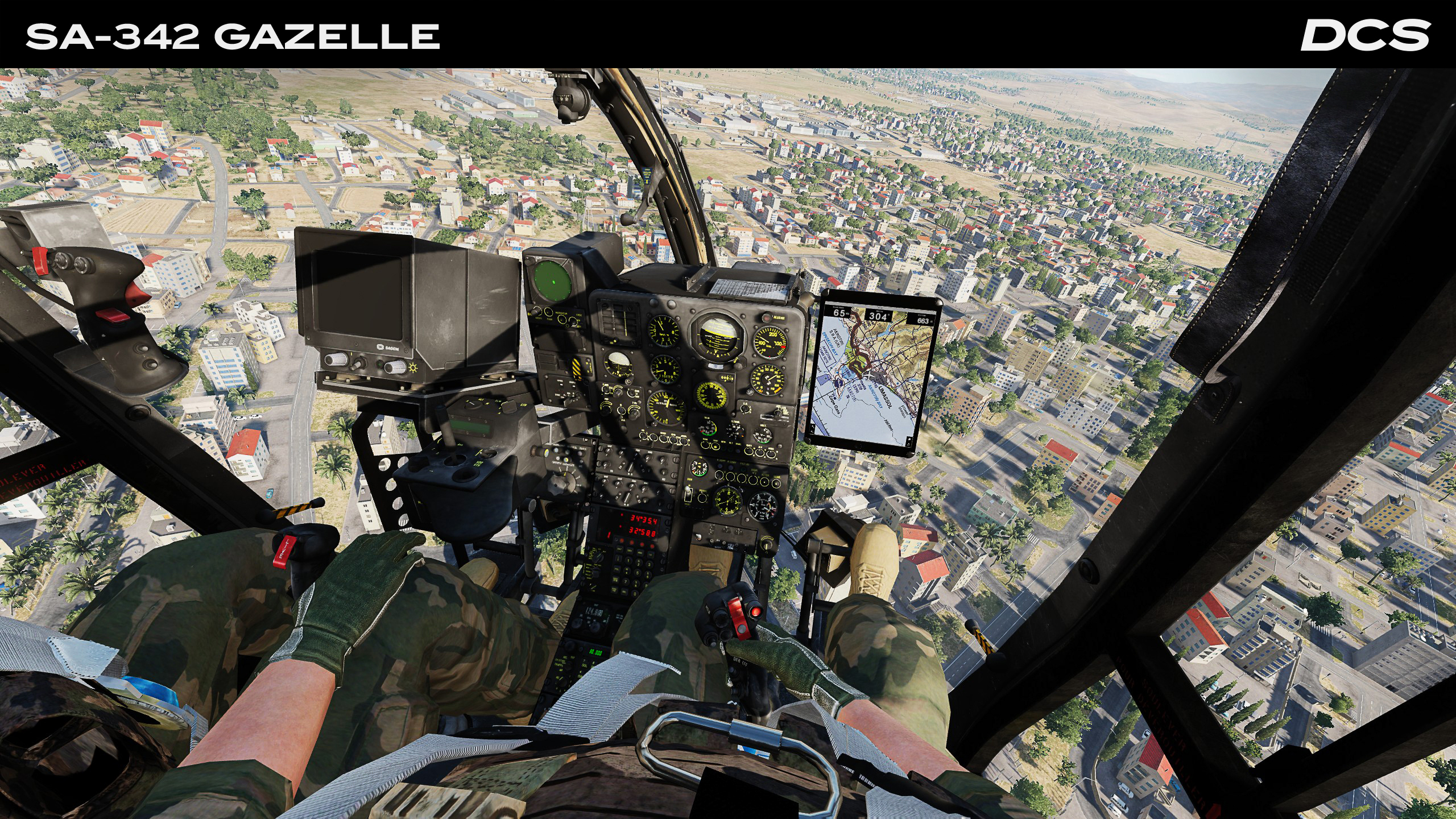
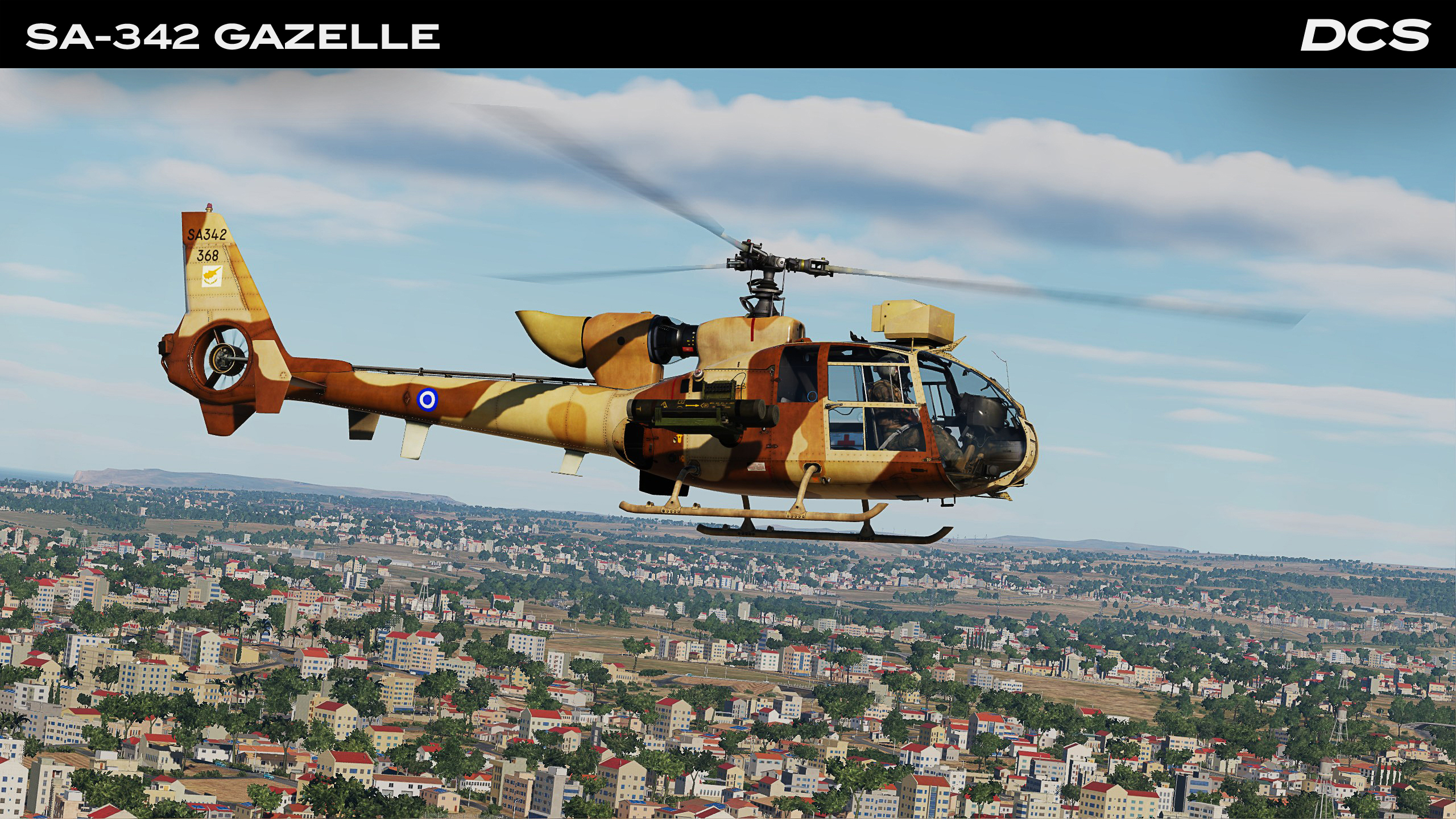
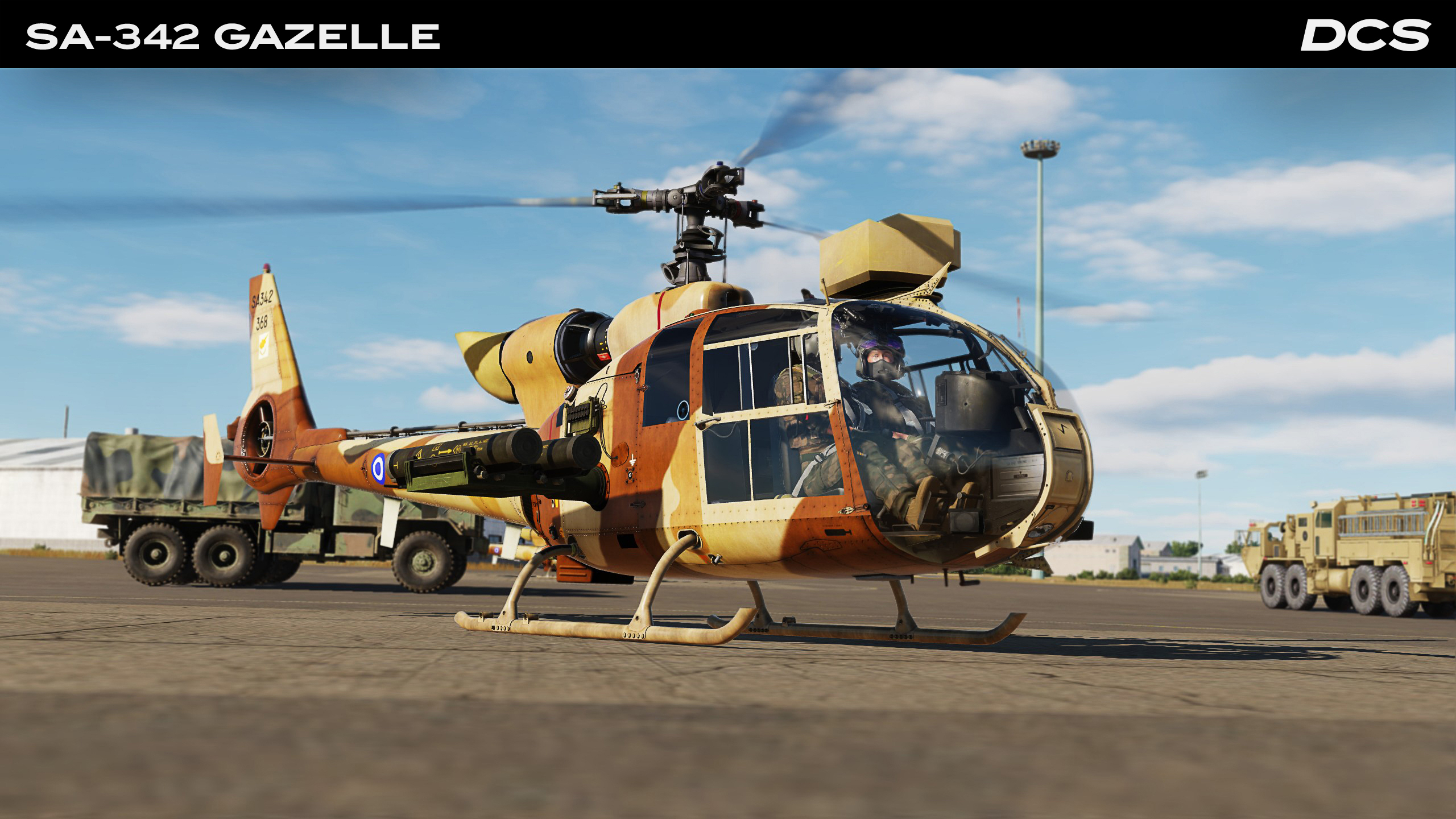
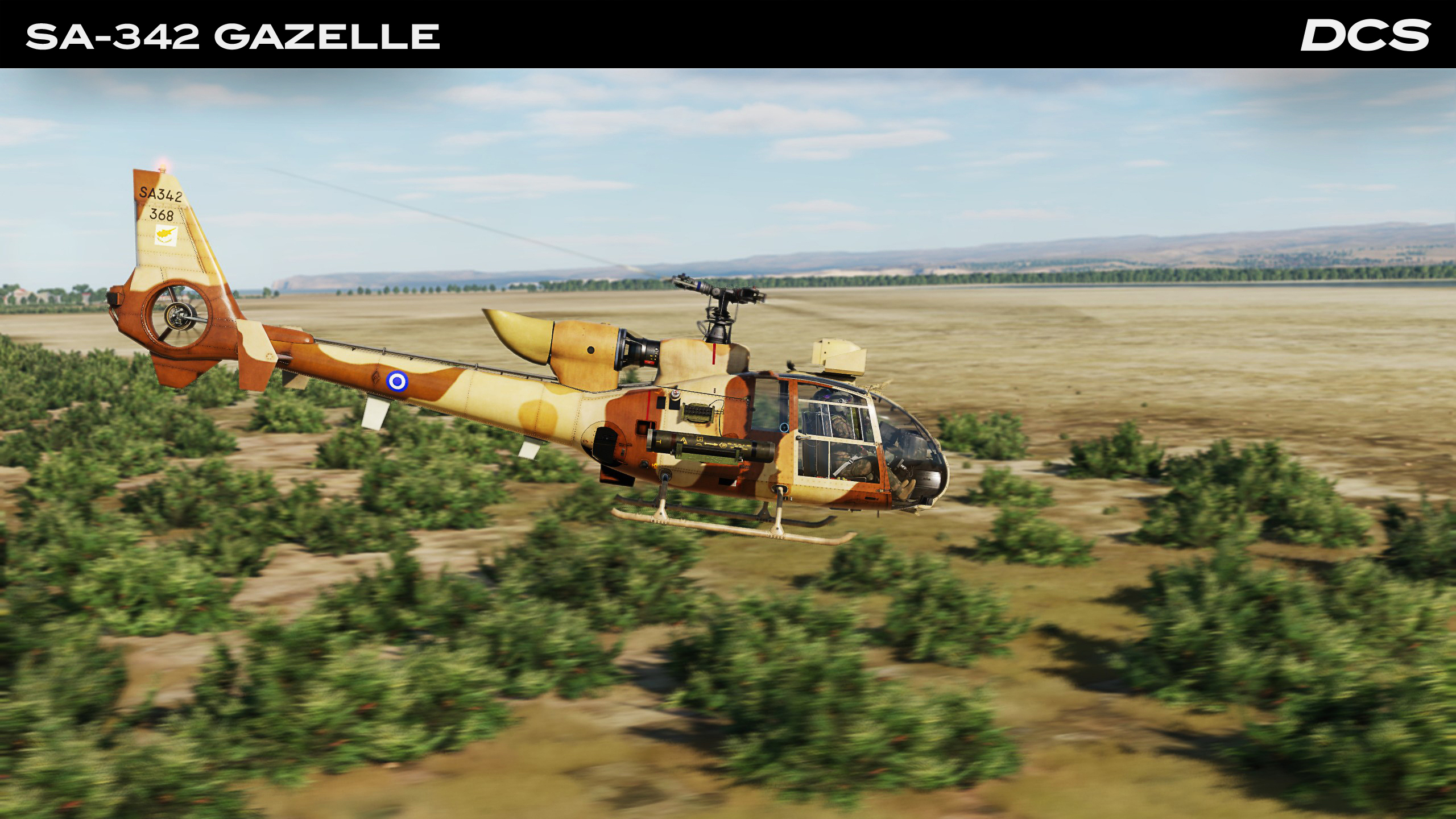
The SA342 Gazelle is a light scout/attack and transport helicopter. It was introduced in 1968 as a result of cooperation between Aérospatiale and Westland Aircraft. Operated by 23 countries, the Gazelle has served in combat operations across the world including the 1991 Gulf War, 1982 Lebanon War, Syria, and other conflicts.
The Gazelle is powered by a single turbine engine that is connected to three glass-fiber reinforced plastic main rotor blades with a bearingless main rotor developed by Bölkow GmbH. It is also the first helicopter which features the famous Fenestron tail rotor.
The version featured in DCS is the anti-tank version that is armed with four HOT 3 anti-tank guided missiles. Later, free upgrades to this module will feature Gazelle versions armed with a GIAT machine gun, rocket pods, Mistral anti-aircraft missile, and sniper team in rear compartment.
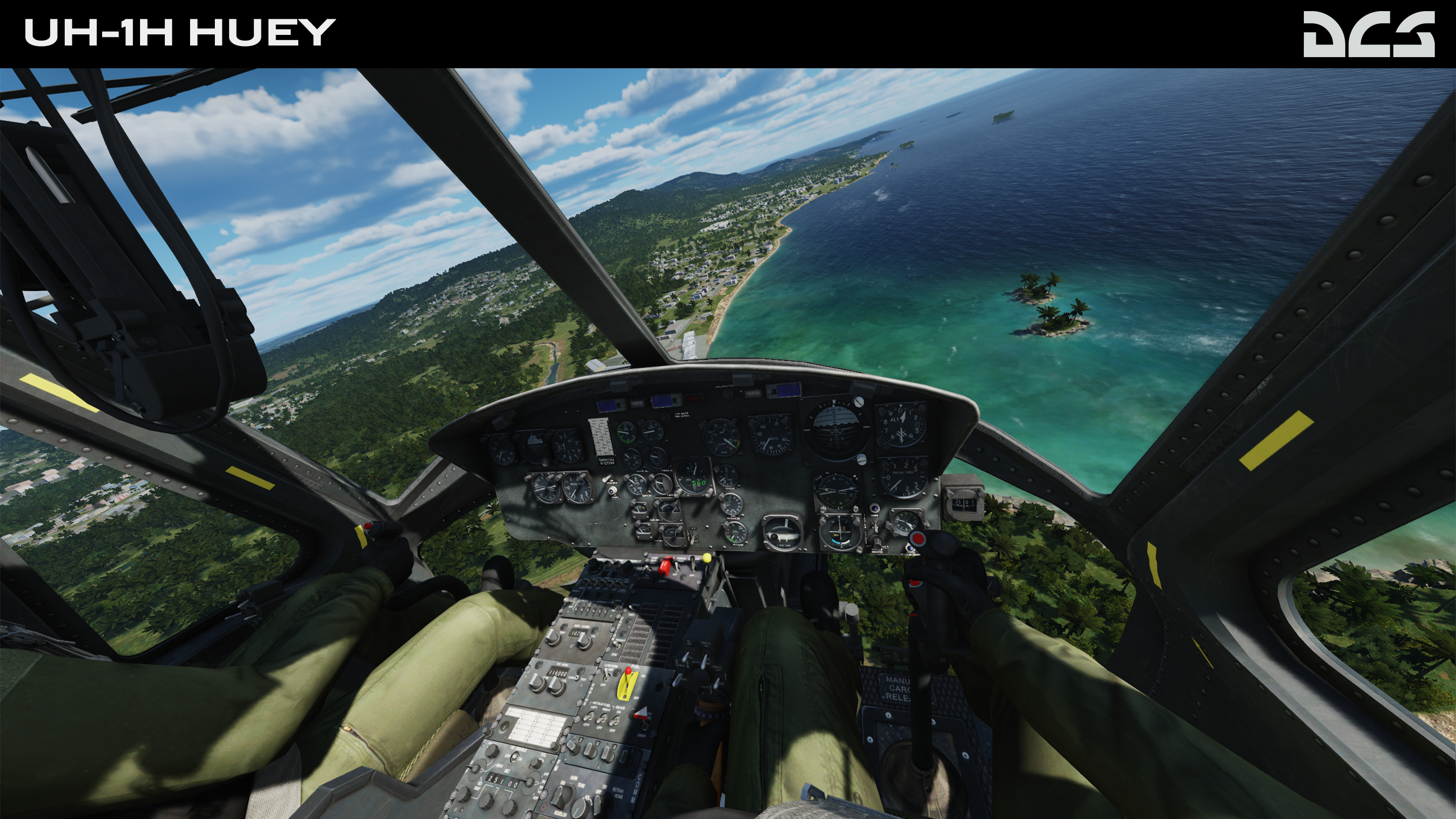
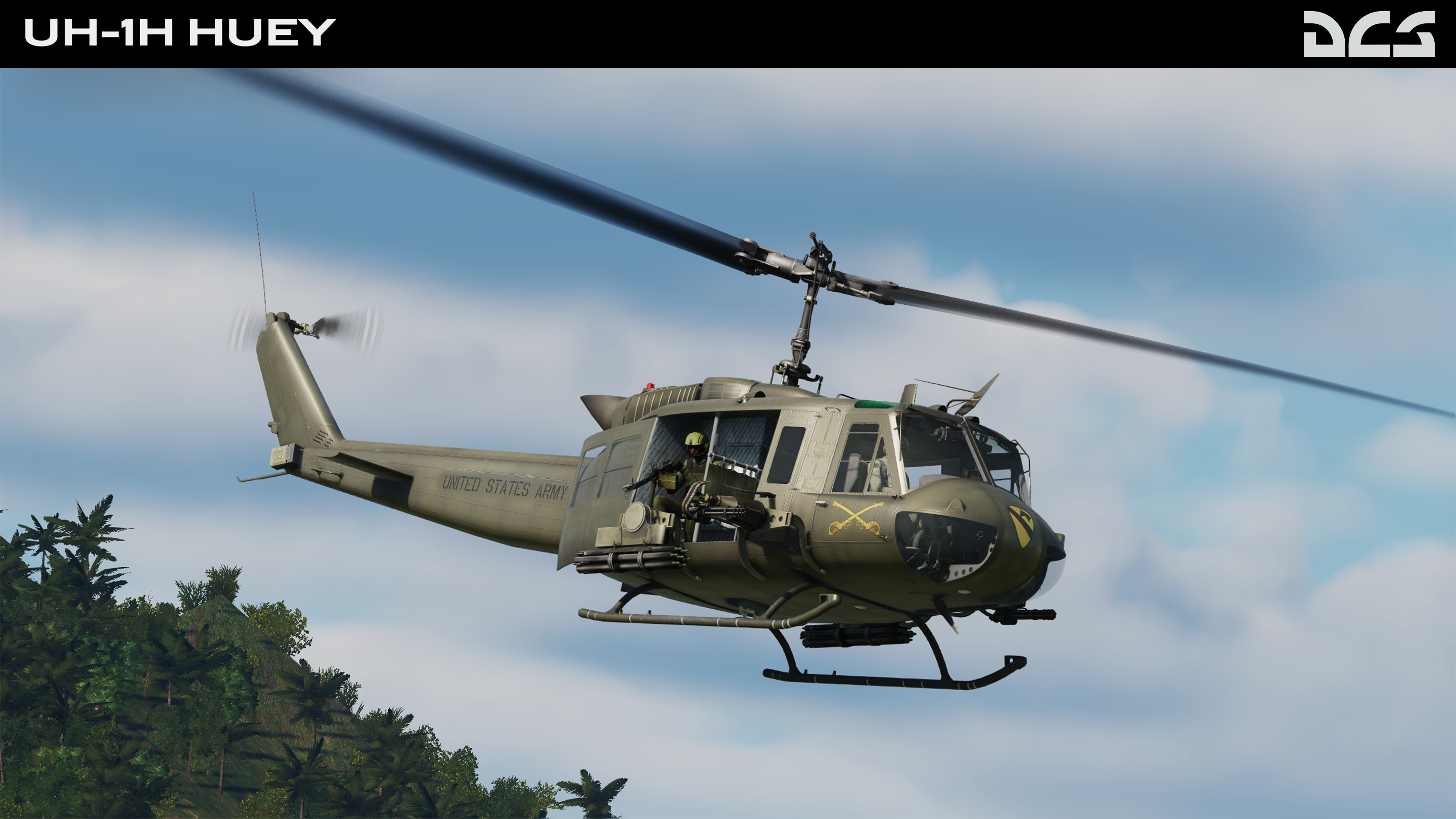
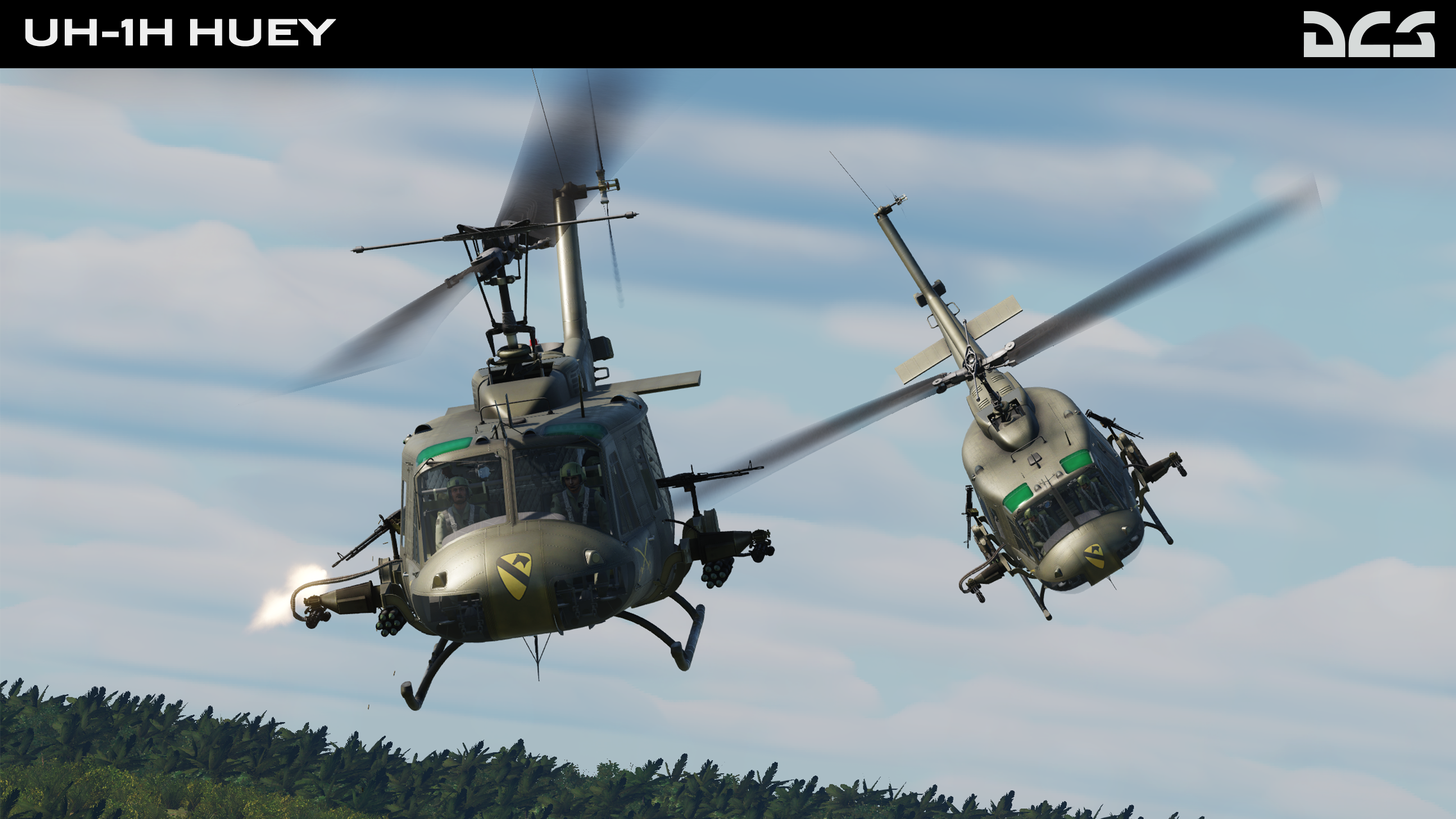
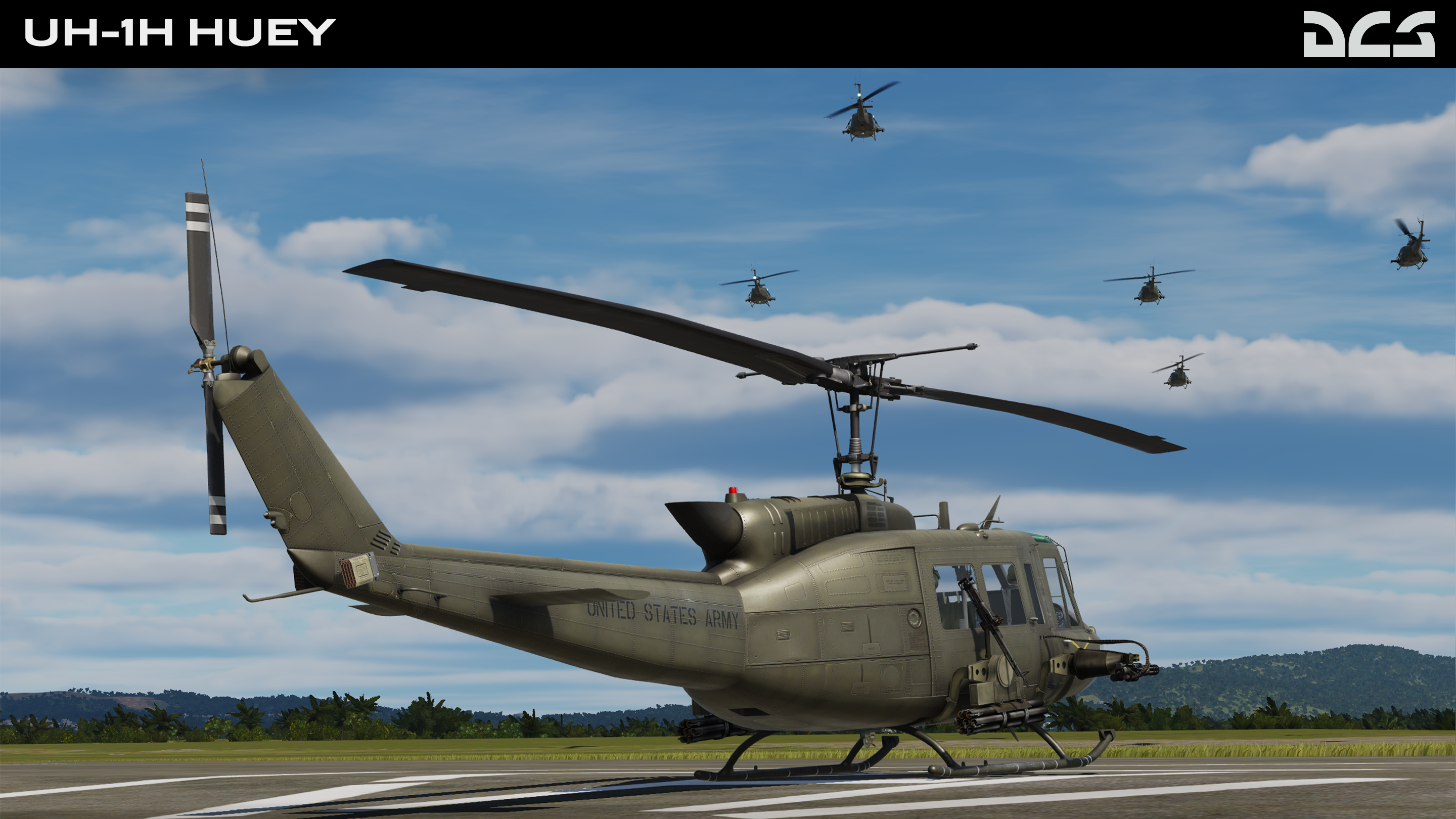
The UH-1 ‘Iroquois’ is a light multirole utility and combat helicopter. Better known as the ‘Huey’ from its original ‘HU-1’ designation, the UH-1 is one of the world’s most iconic helicopters. A mainstay of U.S. forces in the Vietnam War, the Huey shot to fame following its starring roles in Hollywood blockbusters The Deer Hunter (1978) and Apocalypse Now (1979).
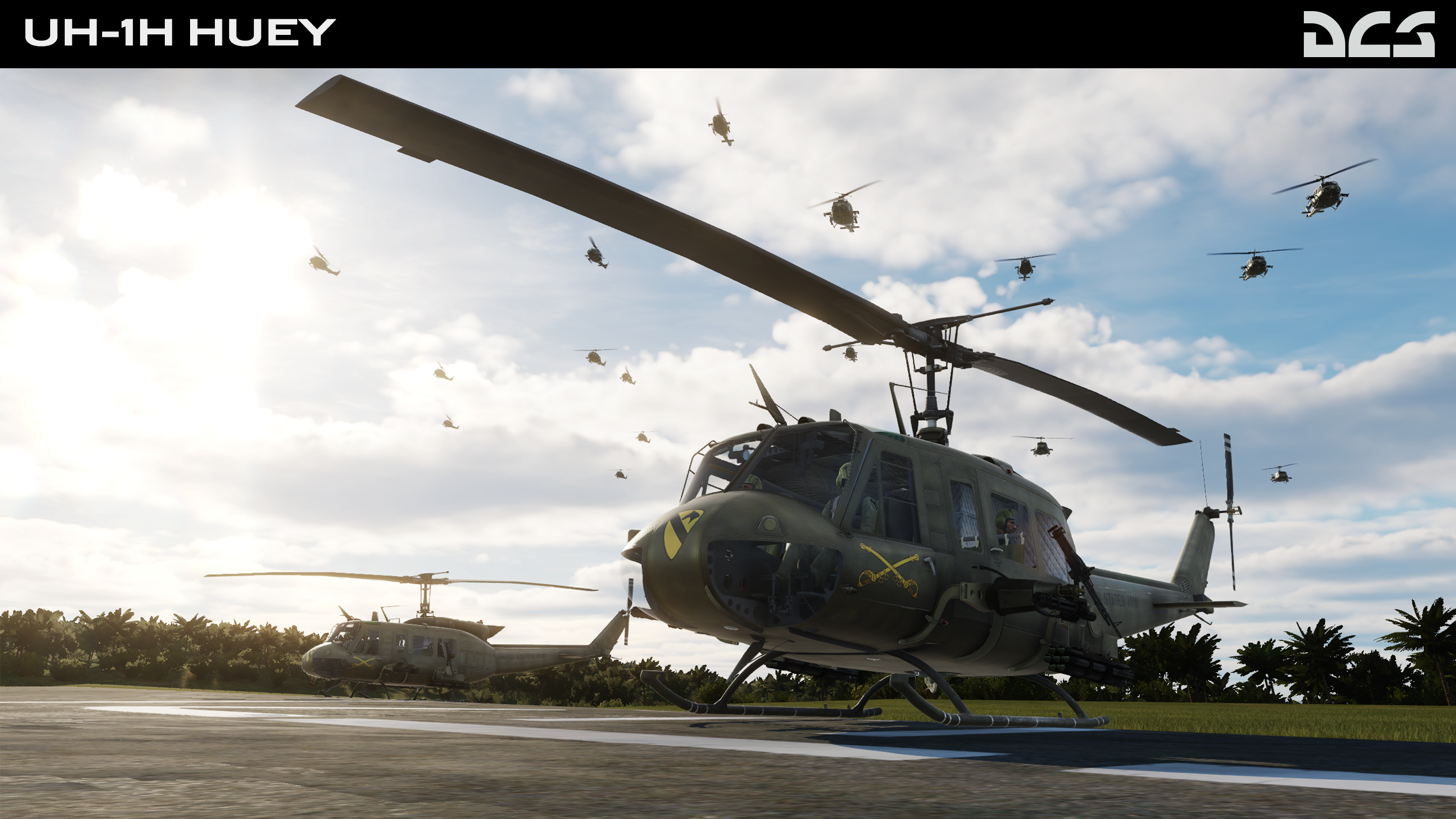
Known as a ‘slick’, the Huey’s primary mission was to insert and extract combat troops. Airborne assaults in Vietnam consisted typically of up to 10 slicks ferrying infantry, with two or three gunships providing protection and a ‘Charlie/Charlie’ Command and Control helicopter orbiting overhead. The Huey’s other missions included forward supply; search and rescue (SAR); reconnaissance and the medical evacuation (Medevac) of injured troops. The UH-1H can carry 4000 lbs of weapons & cargo including up to 14 combat troops or 6 stretchers. Armed with rockets and machine guns, it can also act as an ad hoc gunship.
Developed in the 1950s, the UH-1 entered service in March 1961. The UH-1H with the uprated 1,400 shp (1,000 kW) Lycoming T53-L-13 is the most-produced variant of the 16,000-plus that have been built since then. The Huey continues to serve worldwide in both military and civilian roles.
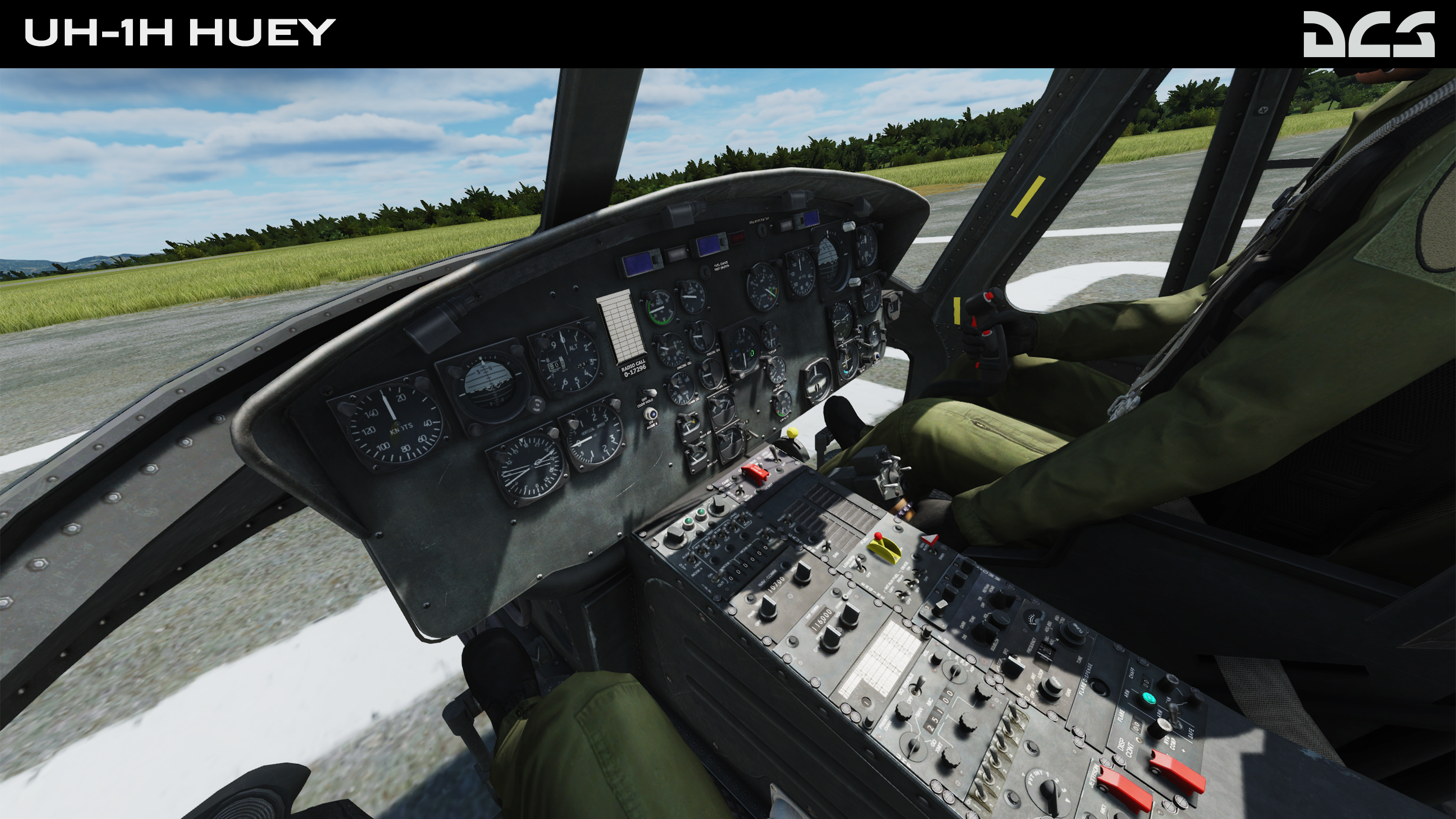
The DCS: UH-1H features an updated model of the helicopter armed with rockets and door-mounted M134 six-barrel rotary miniguns. The simulation offers superb flight and systems modeling. Helpful Easy Flight and other modes reduce the learning curve for new players. Player positions include pilot, co-pilot, and door gunners. A handcrafted storyline campaign is included as well as a number of single missions and a training course.
A robust and trustworthy work-horse, the UH-1 evokes enormous affection from former crews. When you fly it, you will immediately understand why.
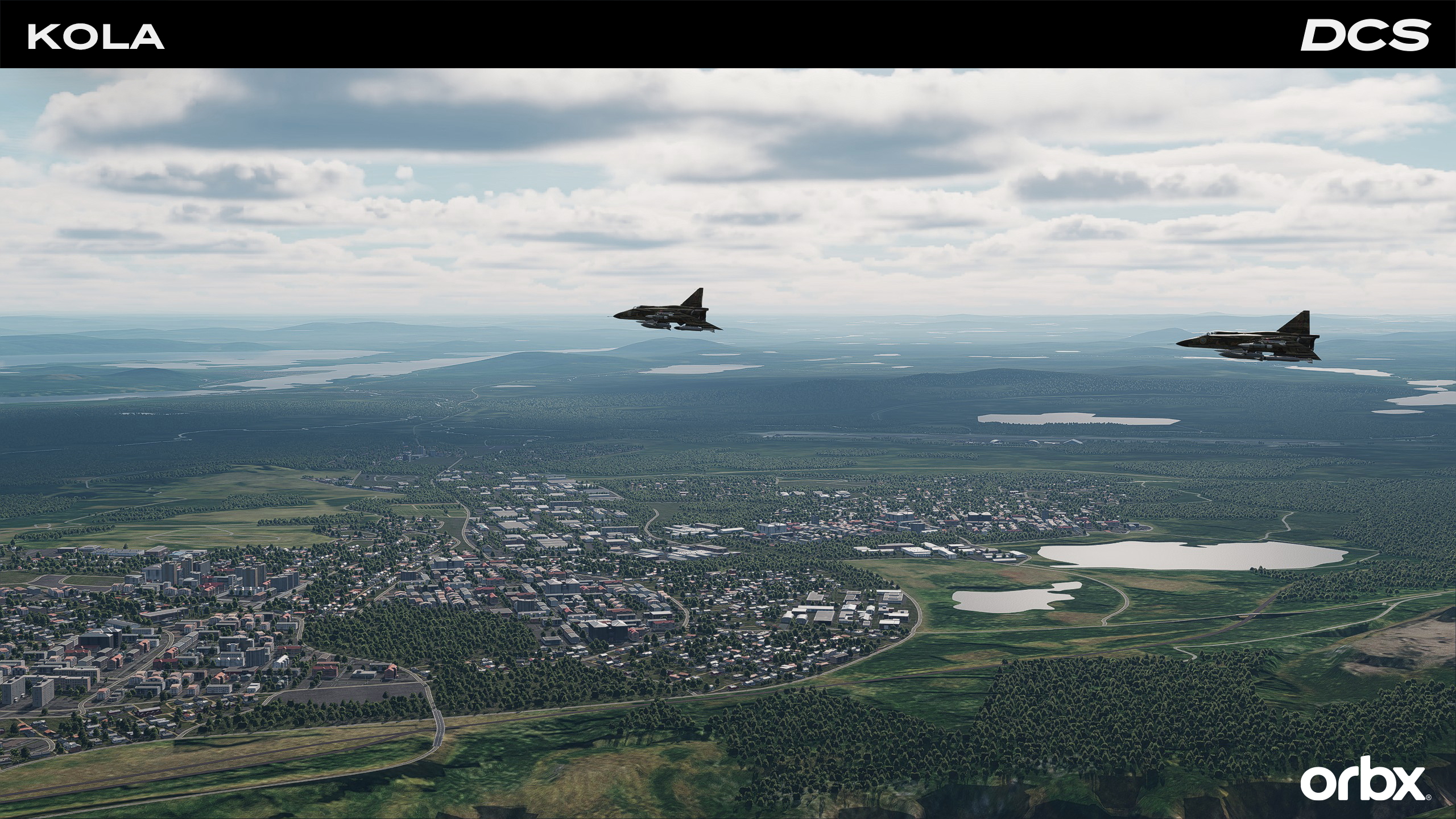
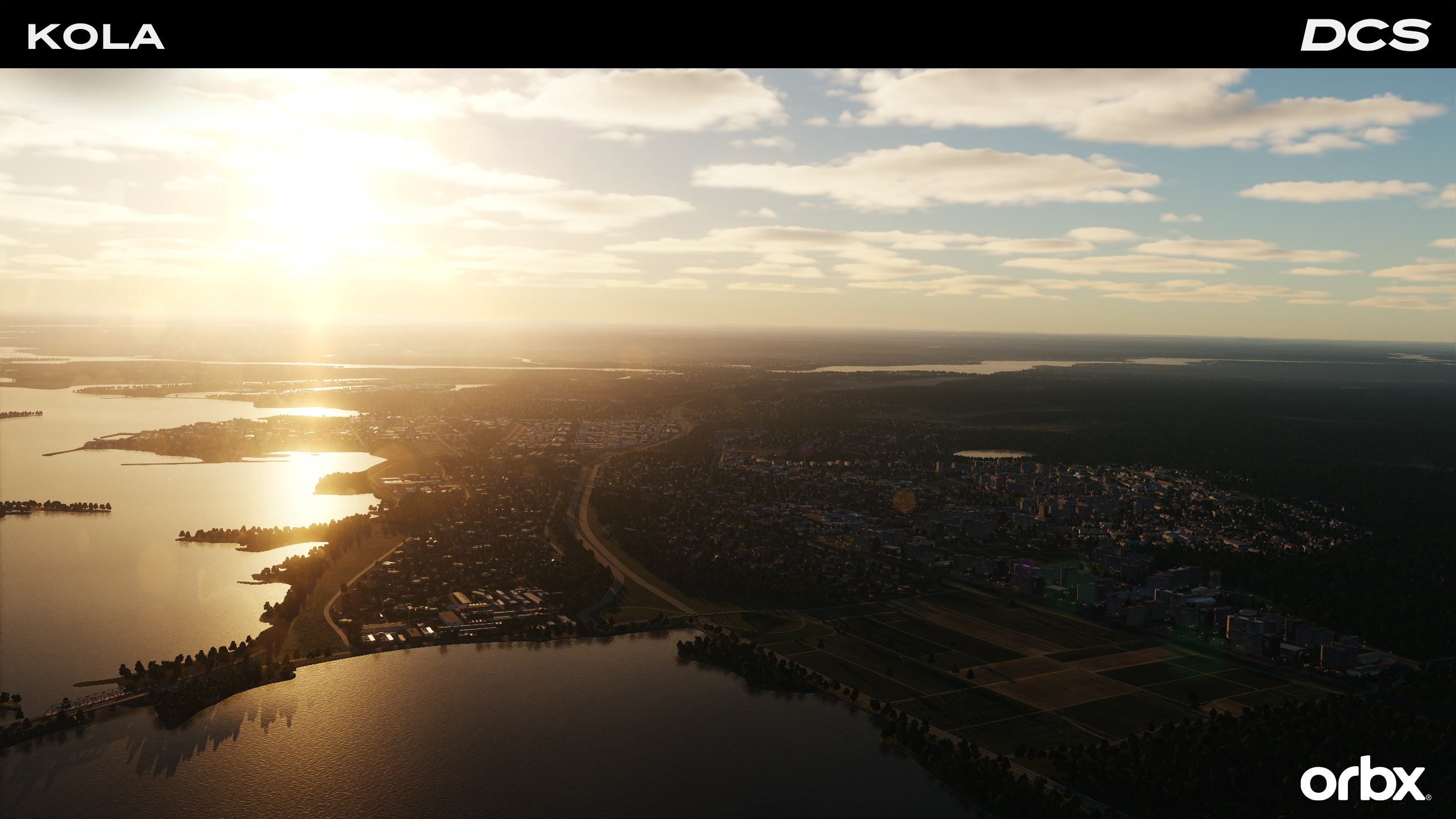
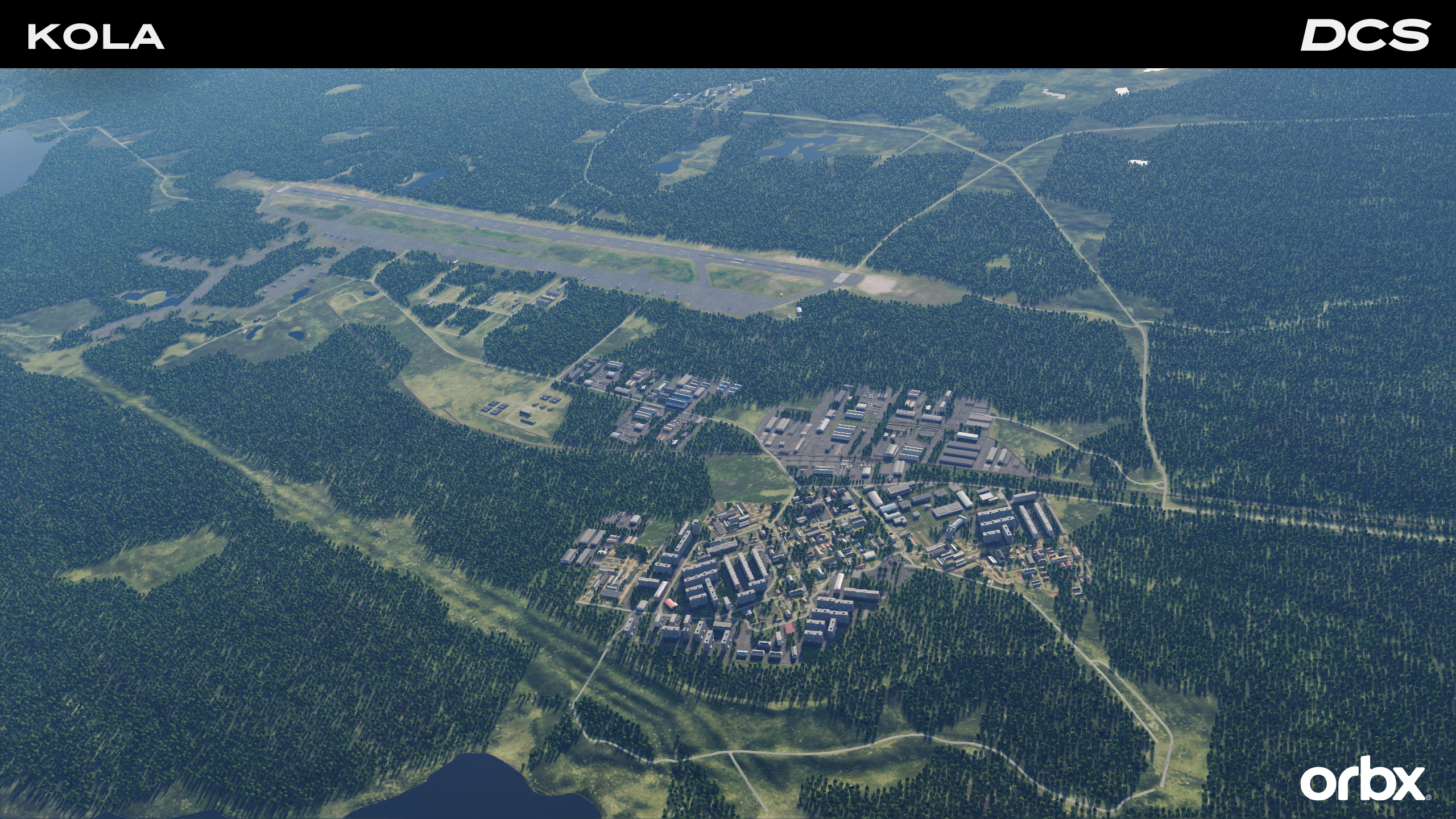
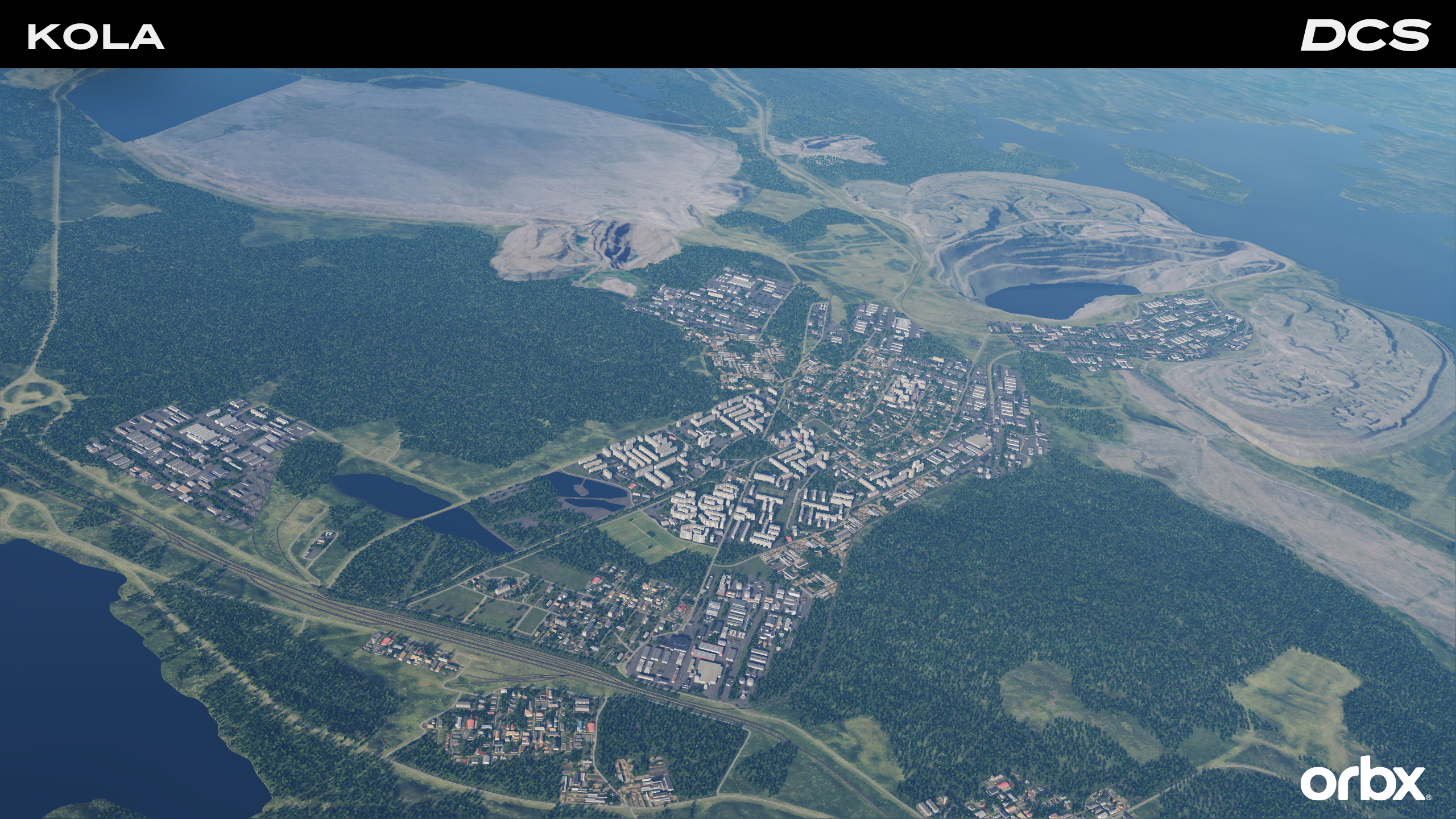
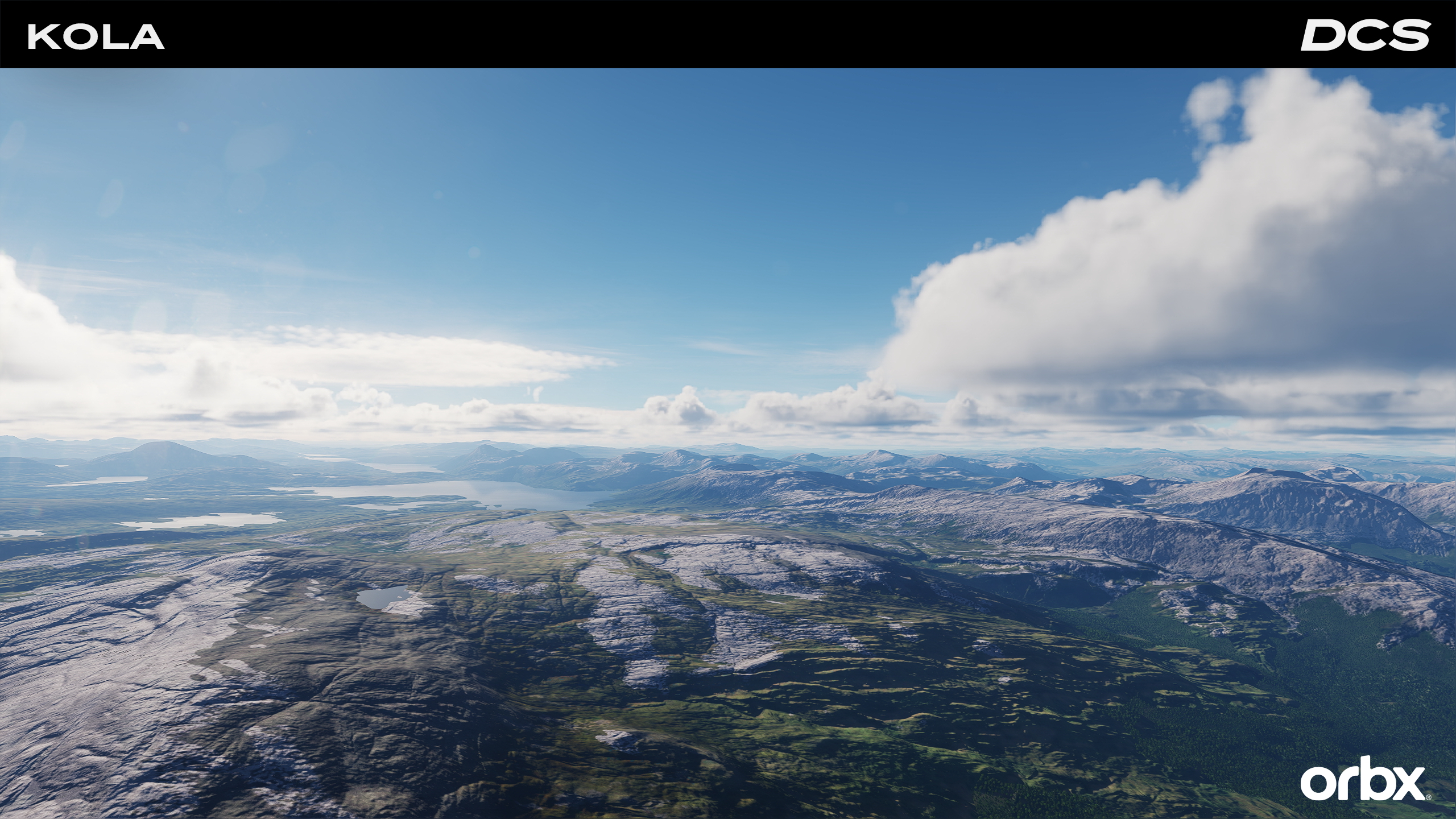
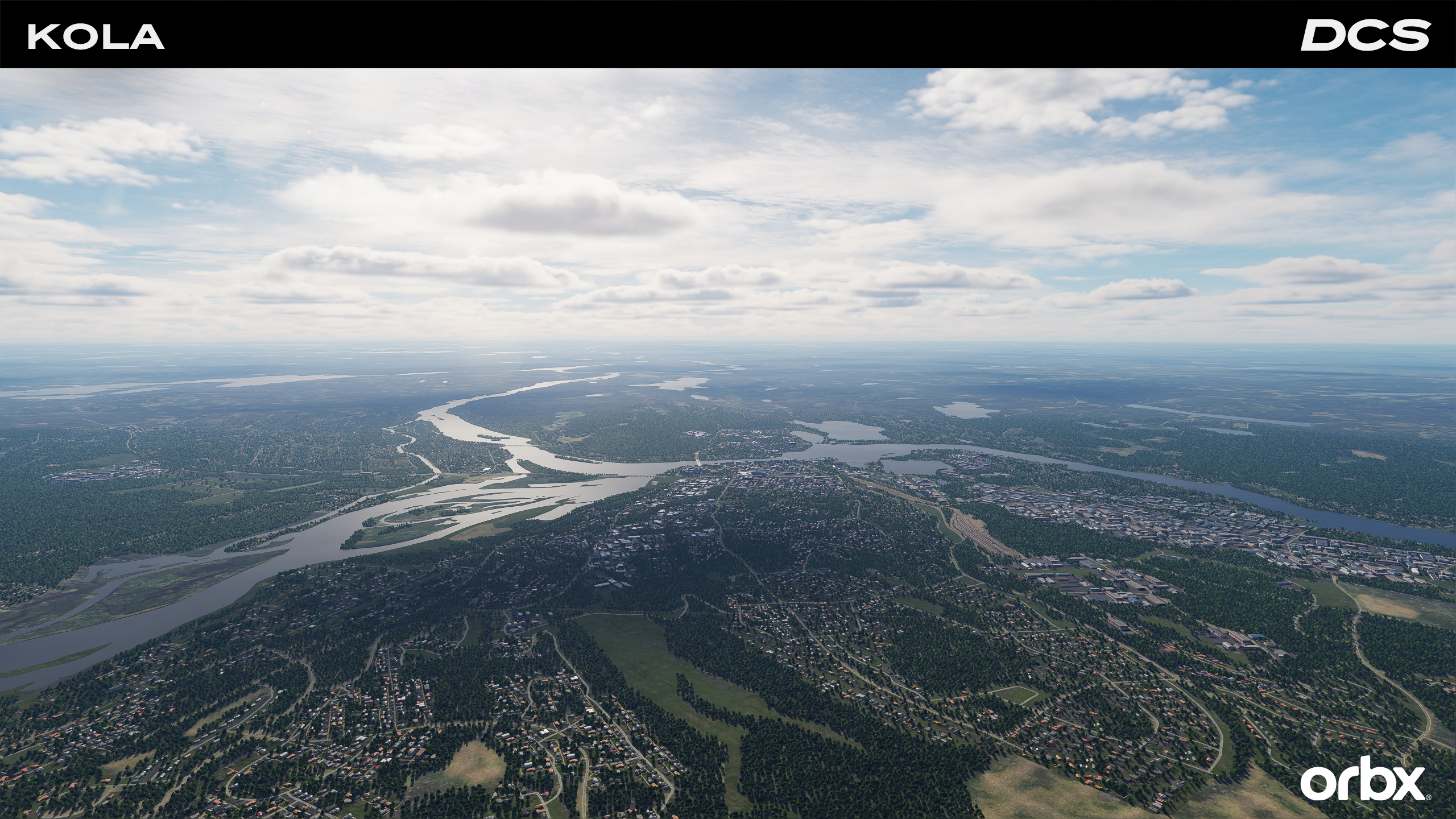
Orbx proudly presents the DCS: Kola map, which covers northern Norway, Sweden, Finland, and the Russian Murmansk Oblast and parts of the Karelia region. The map also includes large areas of the Barents Sea and Norwegian Sea to the north and west, ideal for aircraft carrier operations. The Orbx DCS: Kola map is represented in its current-day state, with some allowance for late-Cold War military features and functionality.
The Kola map spans about 1,400 km east-west by 1,000 km north-south, with more than 575,000 sq km of land and a total coverage area of ~1,350,000 sq km. Its southern boundary roughly aligns with 65 degrees latitude, meaning most of the map area falls within the Arctic Circle. The Kola map covers various natural landscapes, from the dramatic fjords and island chains to vast forested areas with myriad lakes and wetlands, to rugged mountains, to the Arctic tundra. Cities, towns, mines, ports, and infrastructure corridors, all have unique characteristics determined by their location and cultural association.