The Channel
Development Report
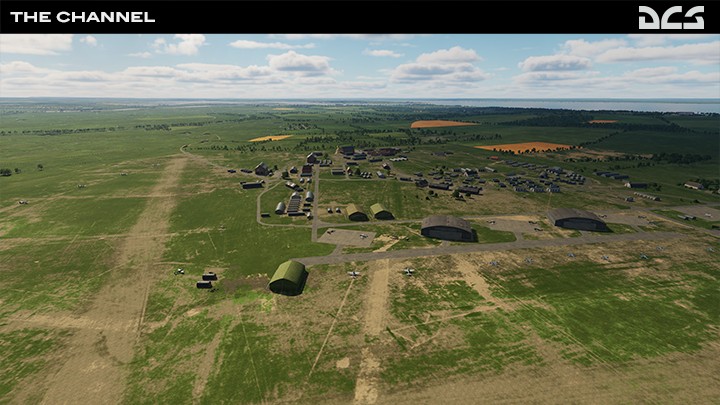
East Church
RAF Eastchurch remained active between the wars and was home to No. 266 Squadron during the Battle of Britain. During the Second World War, Eastchurch was part of Coastal Command, a fighter and bomber outfit that protected Allied troops and supply chains from the U-boats and the Luftwaffe. By 1943, Coastal Command finally received sufficient long range B-24 Liberators, equipped with enough Wandering Annies needed to prove victorious.
The Command saw action from the first day of hostilities until the last day of the Second World War. It completed one million flying hours, 240,000 operations and destroyed 212 U-boats.
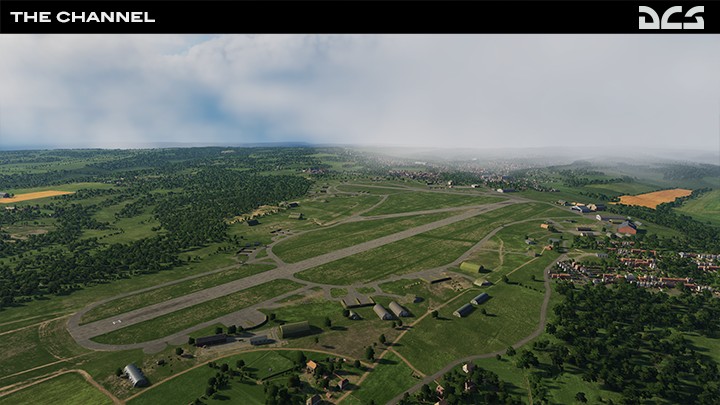
Biggin Hill
Between the wars, the airfield was used by a number of experimental units, working on instrument design, ground-based anti-aircraft defences, and night flying. The base was closed between 1929 and 1932 whilst renovations and the construction of two new hangars took place.
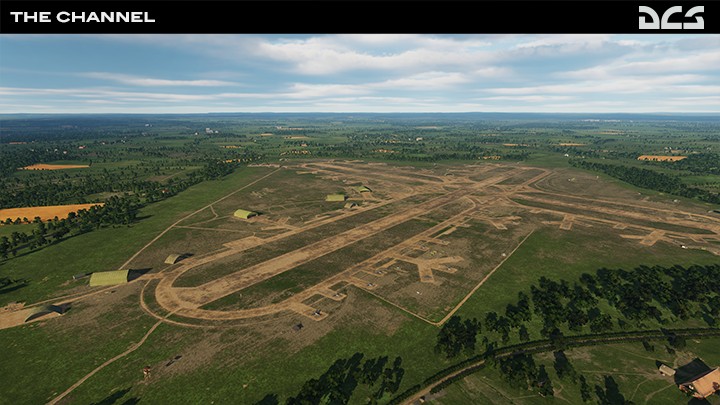
Headcorn
On the 6th of August 1943, 127 Wing Royal Canadian Air Force moved in 403 and 421 Squadrons equipped with Spitfires under the command of ‘Johnnie’ Johnson, the highest scoring wartime allied Ace in European theatre.
On the 17th of April, 1944. The airfield was handed over to the 354th Fighter Group comprising the 353rd, 355th and 356th Fighter Squadrons who operated the North American P-51D Mustangs. There were 3000 ground crew supporting 70 aircraft.
Today, as a private civil airfield and parachute centre, it also houses the Lashenden Air Cadets of 500 Squadron and Thurston Helicopters, a helicopter flying-school company.
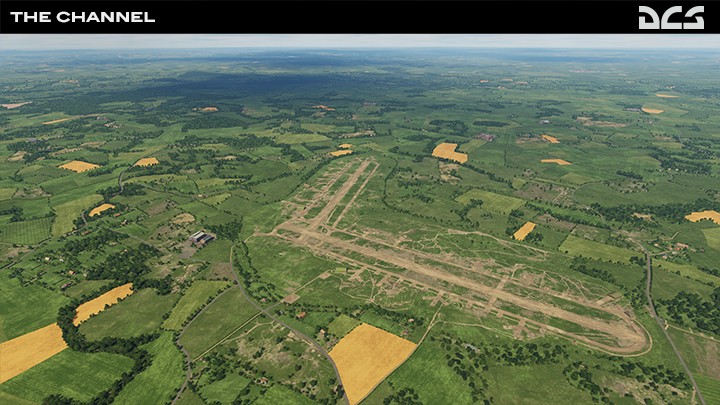
High Halden
RAF High Halden was a Royal Air Force base in Kent. Opened in 1944, it was a prototype for temporary Advanced Landing Ground airfields, which were required for the rapid growth of air operations to support the growing activities as Allied forces progressed east towards Berlin.
We have been working on the airfield and the mixture of agricultural field textures, as well as finer details around the bunkers and recognisable remains.
|